
Everything can be done with budget
Best Living Room Layout Ideas for Small Spaces on a Budget (Easy & Stylish)

I struggled with my Living Room Layout for a long time, especially in a split-level space where nothing feels perfectly centered. I wanted this to be the room where I actually live, watch TV, relax, and host people, not just a space that looks good in photos. What finally helped was accepting that a good Living Room Layout is about comfort first, not symmetry. Once I stopped trying to make everything line up with the window, the room started to make sense.
I placed the sofa facing the TV and let the window stay open and bright behind it, adding a narrow console table so it felt finished, not awkward. Chairs angled inward made the space feel conversational instead of stiff, and suddenly, the whole Living Room Layout felt intentional. This reminded me of lessons I learned from Rental Friendly Living, where the best changes are the ones that blend in so well they look like they were always meant to be there.
Now the room works for real life. I can watch TV without glare, people can move through the space easily, and nothing feels cramped or forced. A thoughtful Living Room Layout does not shout for attention; it quietly supports how I live every day, and that is what finally made this room feel like home.
Why You Need to Choose these Living Room Layout Ideas
Choosing the right Living Room Layout can completely change how your home feels and functions. I’ve learned that when furniture is arranged with intention, the space instantly feels more welcoming, organized, and comfortable. A thoughtful Living Room Layout improves traffic flow, creates natural conversation areas, and helps define the purpose of the room—whether it’s relaxing, entertaining, or spending time with family. Instead of just placing furniture against walls or filling empty spots, planning your Living Room Layout allows you to maximize every square foot while making the room feel balanced and visually pleasing.
Some Helpful Tips to Consider
When planning your Living Room Layout, start by identifying the focal point, such as a TV, fireplace, or large window, and arrange seating to highlight it. Make sure there’s enough space to move comfortably between furniture pieces, and avoid blocking pathways. Choose appropriately scaled furniture so the room doesn’t feel overcrowded or too empty, and use rugs to visually anchor seating areas. Finally, think about how you actually use the space daily, your Living Room Layout should reflect your lifestyle, making the room both practical and inviting.
15. Float Furniture Away from the Walls
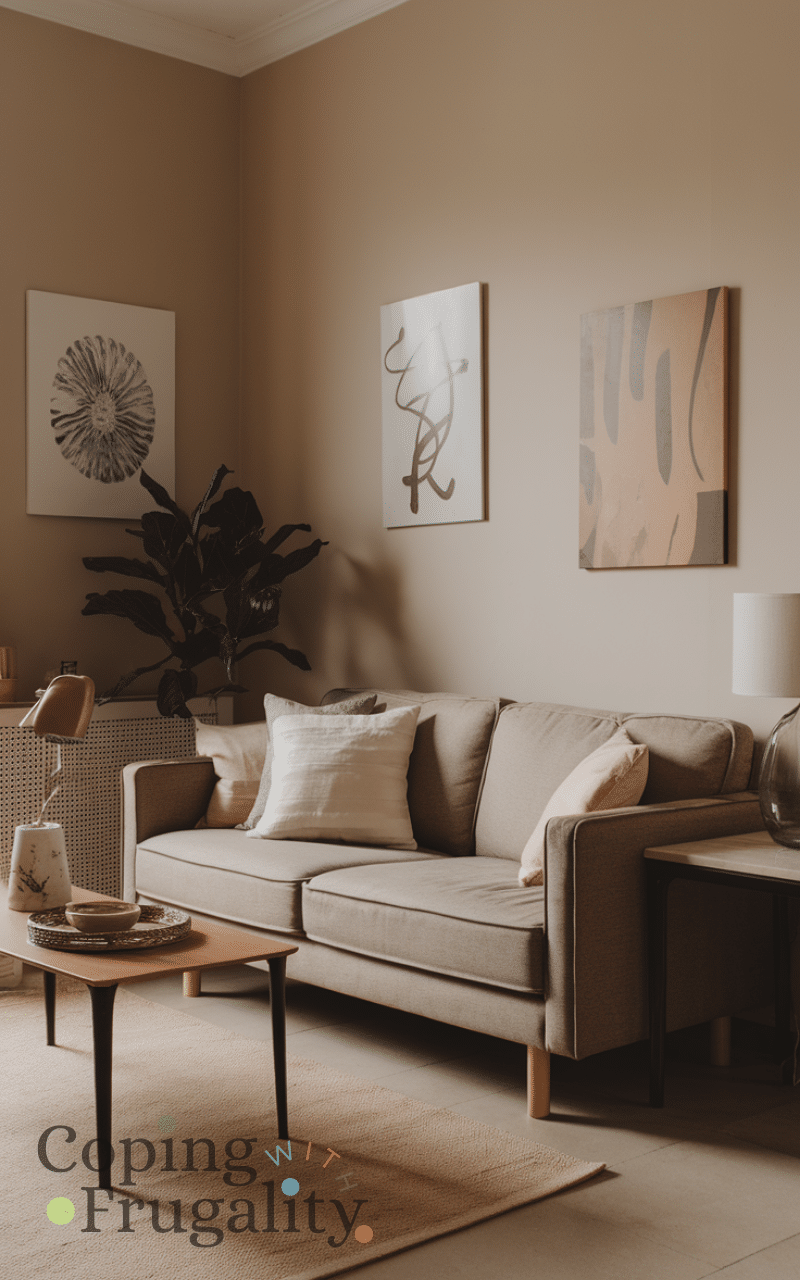
One common mistake in small living rooms is pushing all furniture against the walls. This Living Room Layout Idea for Small Spaces on a Budget suggests pulling furniture slightly inward to create depth and better flow. Floating a sofa a few inches away from the wall can make the room feel more intentional and less cramped. This layout improves balance and costs nothing to try, making it perfect for budget-friendly decorating.
I can’t stress enough how much this one simple move changed my small living room. It costs $0, but makes the space feel intentional and airy. My tip is to measure at least a few inches on all sides before pulling furniture away to ensure walkways stay clear. I personally love floating the sofa slightly off the wall and adding a slim console behind it—it feels balanced and purposeful. A common mistake is moving everything too far inward, which can make the room feel cramped instead of open.
14. Choose a Loveseat Instead of a Full-Size Sofa
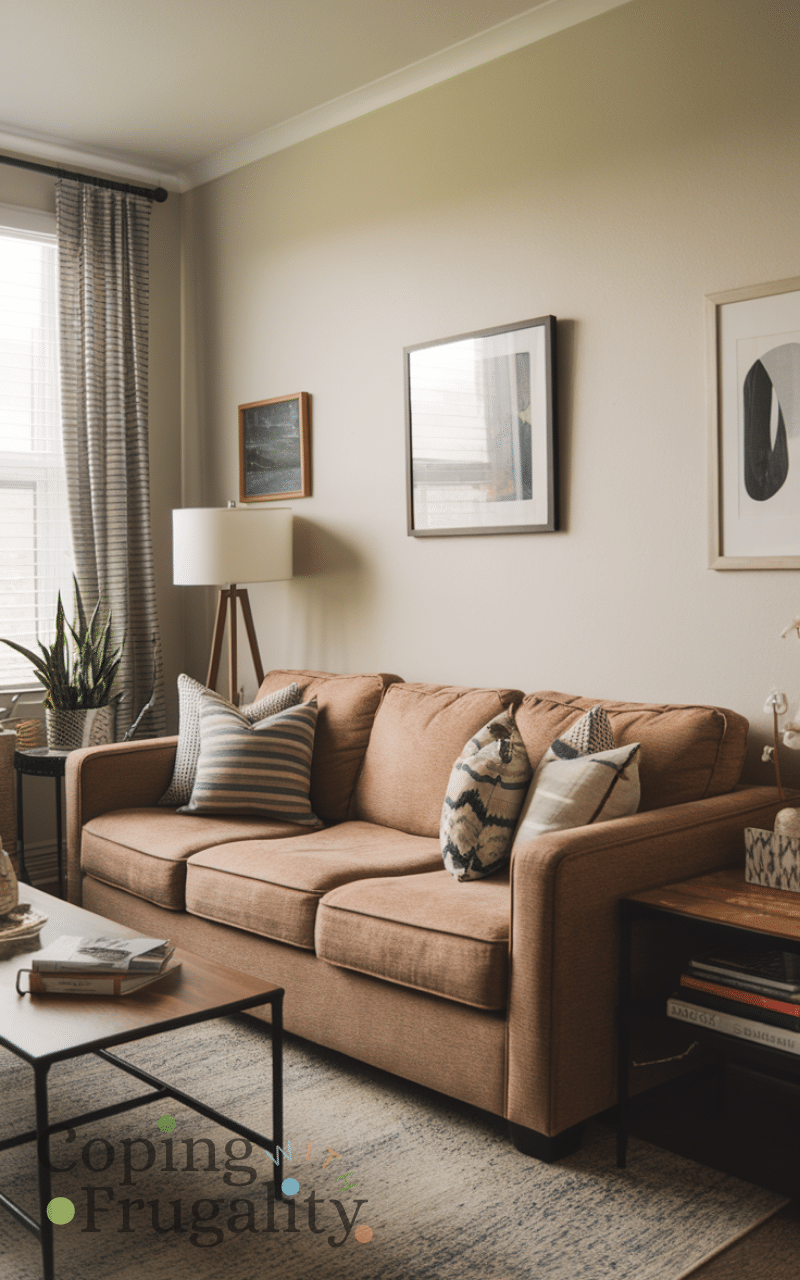
A large sofa can overwhelm a small room. This Living Room Layout Idea for Small Spaces on a Budget recommends choosing a loveseat or compact couch instead. Smaller seating keeps the room proportional while still offering comfort. Pair it with a chair or pouf to complete the layout without overcrowding the space. This simple swap saves money and makes movement easier.
Switching to a loveseat saved me space and money. Expect to spend around $250–$600 for a good compact couch. I save by checking clearance sales or secondhand marketplaces. I recommend pairing it with a cozy armchair or pouf to make a complete seating area without overcrowding. A mistake people often make is choosing a loveseat that’s too small for the space—it should feel comfortable for real use, not just decorative.
13. Use a Corner Furniture Arrangement
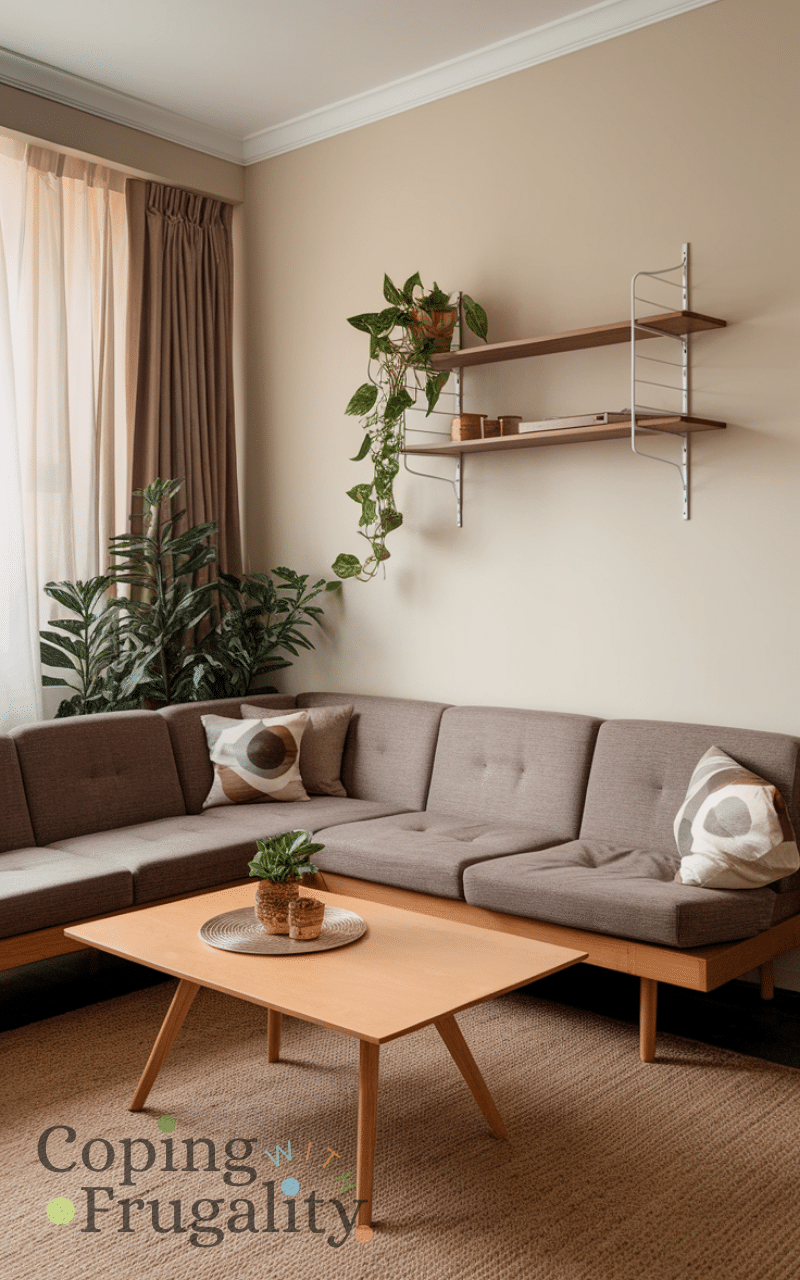
Corners are often underused in small living rooms. This Living Room Layout Idea for Small Spaces on a Budget focuses on placing seating in a corner to open up the center of the room. A corner sofa or angled chairs help maximize floor space while creating a cozy seating area. It’s an efficient layout that works especially well in square or narrow rooms.
Corners are often overlooked, but using them effectively opens up the room instantly. You can do this for $0–$50 if rearranging existing pieces. My favorite trick is angling a chair or sectional into the corner to create a conversational nook. People often push everything flat against walls, which wastes space and feels less cozy. I highly recommend experimenting with angles—you’d be surprised how much difference it makes.
12. Replace the Coffee Table
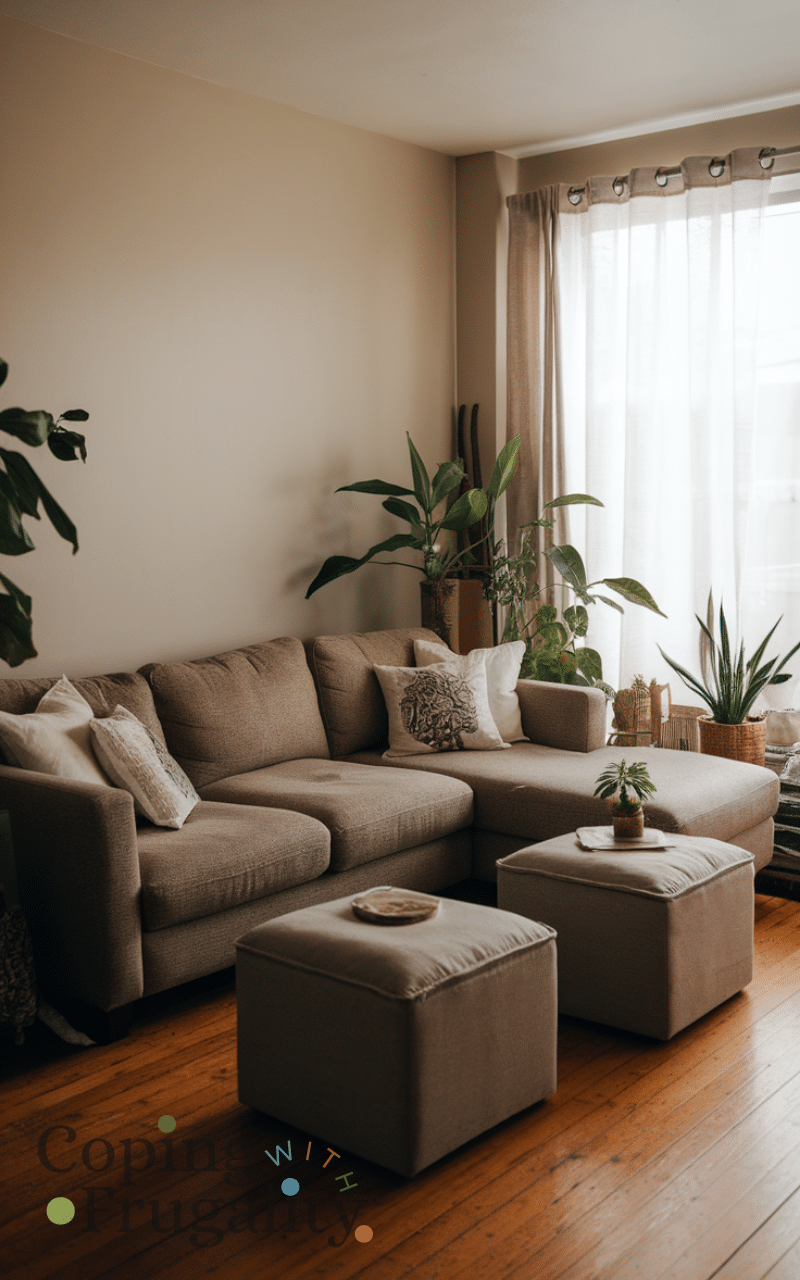
Traditional coffee tables can take up too much space. This Living Room Layout Idea for Small Spaces on a Budget suggests using ottomans, nesting tables, or small stools instead. These alternatives are affordable, flexible, and easier to move. You’ll maintain functionality while freeing up valuable floor space in your living room.
Traditional coffee tables can dominate a small room. I swapped mine for a storage ottoman and saved around $100–$200 compared to buying a new table. My tip: choose pieces you can move or use as extra seating. A common mistake is picking a table that’s too bulky, which kills flow. I love using nesting tables because they give flexibility without crowding the space.
11. Use Vertical Storage Solutions
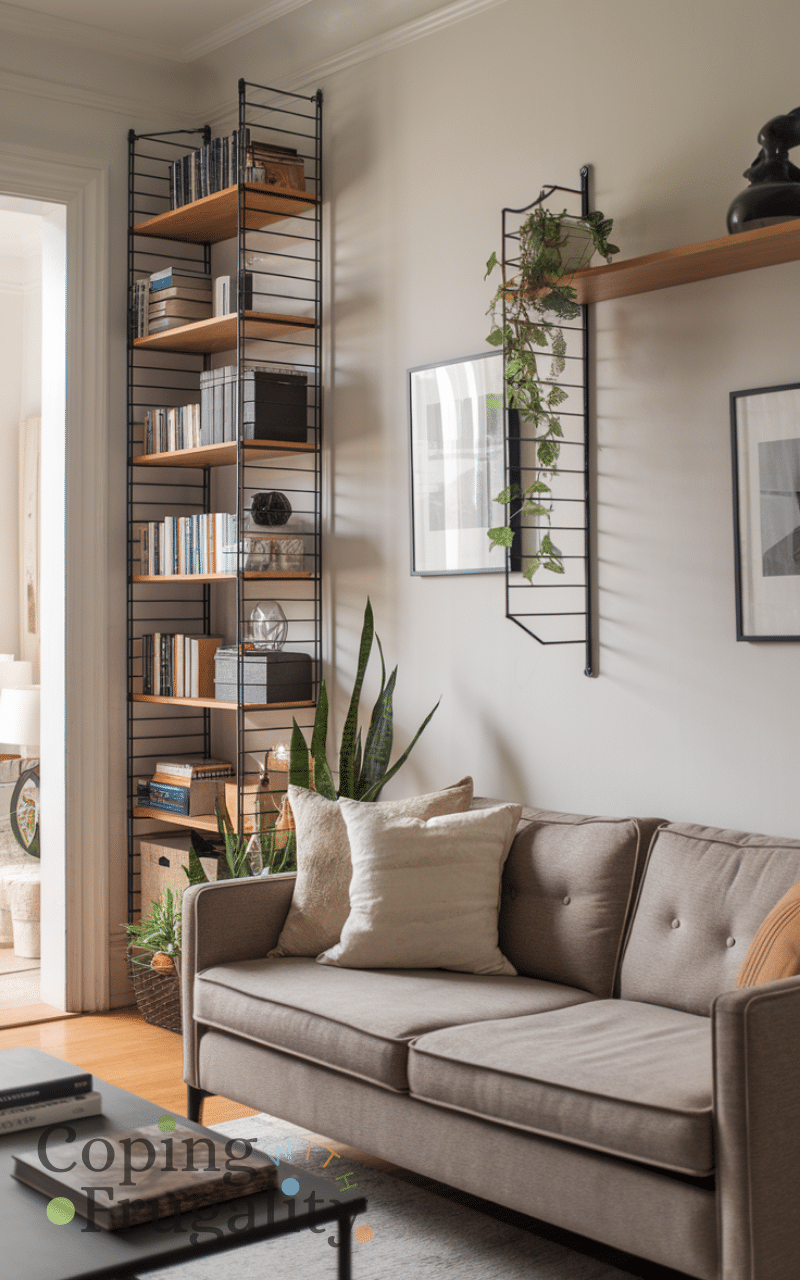
When floor space is limited, vertical storage is key. This Living Room Layout Idea for Small Spaces on a Budget uses wall-mounted shelves or tall bookcases to store items without cluttering the room. Vertical layouts draw the eye upward, making the living room feel taller and more open while staying affordable.
Going vertical is a game-changer for small rooms. Tall shelves or wall-mounted storage can cost $50–$150 but make a huge difference. I save by looking for secondhand tall bookcases or DIY wall shelves. Personally, I like mixing books, decor, and baskets to keep it visually interesting. The mistake I see often is stacking everything horizontally—it clutters floors and makes the space feel smaller.
10. Define the Space with a Rug
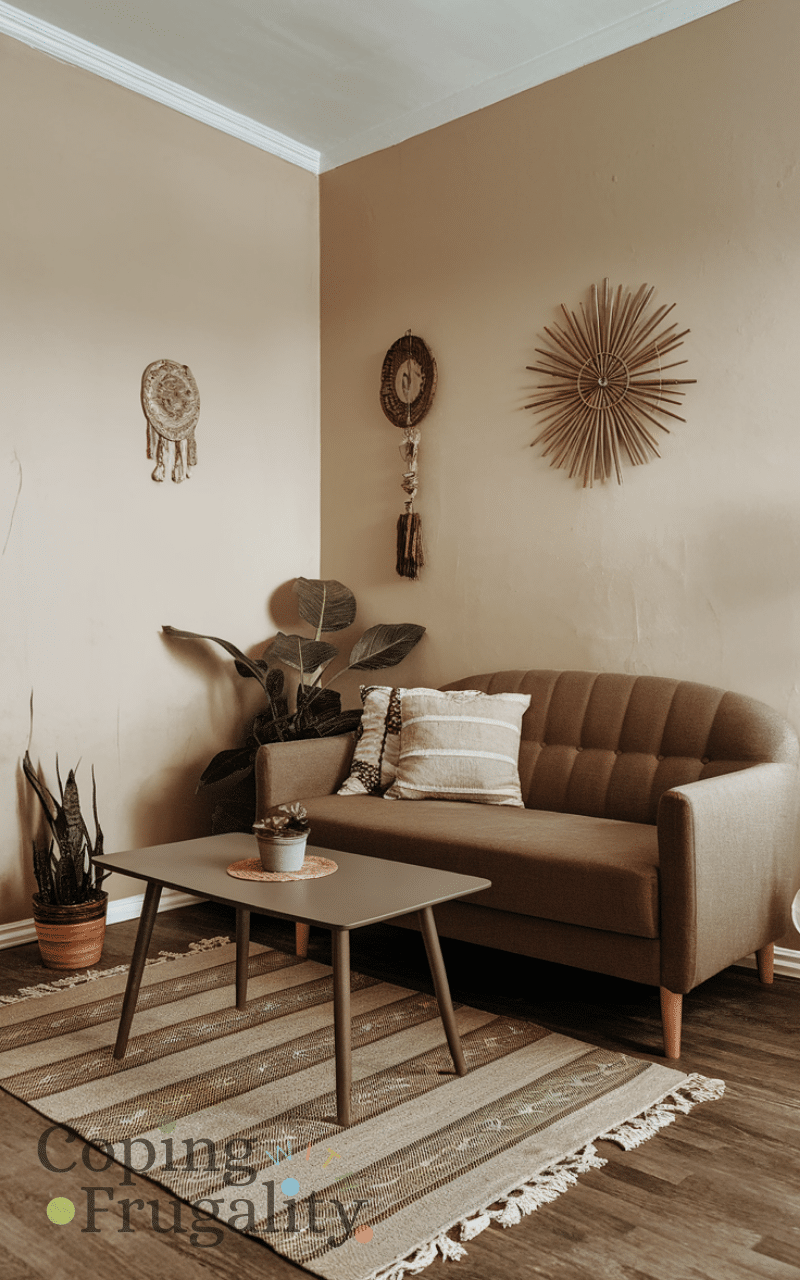
A rug helps visually organize a small living room. This Living Room Layout Idea for Small Spaces on a Budget recommends placing a rug under the front legs of your furniture to anchor the seating area. Rugs create structure and warmth without requiring major changes, making them a cost-effective layout solution.
Rugs anchor a room and make it feel organized. Budget-friendly options run $30–$120 depending on size and material. My money-saving tip is to layer a thin pad underneath for comfort and durability. A mistake I’ve made is using a rug that’s too small—it doesn’t unify the seating area. I personally prefer rugs that extend under the front legs of sofas and chairs; it makes the layout feel intentional.
9. Choose Multi-Functional Furniture
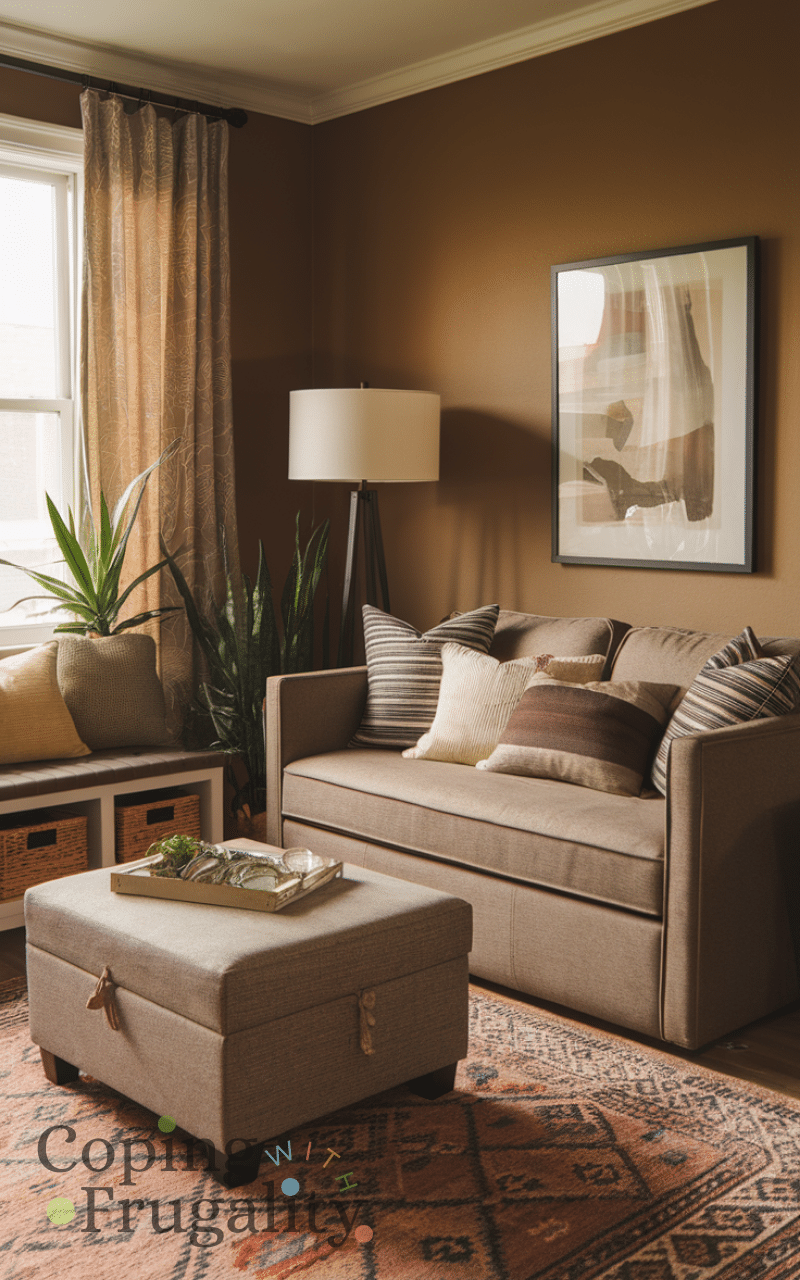
Furniture that serves more than one purpose is ideal for small spaces. This Living Room Layout Idea for Small Spaces on a Budget includes storage ottomans, sofa beds, or benches with hidden compartments. These pieces reduce clutter and eliminate the need for extra furniture, saving both space and money.
I swear by furniture that does double duty. Storage ottomans, sofa beds, or benches with hidden compartments can cost $80–$250, but they save space and eliminate clutter. My tip is to always check functionality first—can it store blankets, serve as seating, or work as a table? People often buy beautiful pieces that don’t actually solve their space problem. I personally recommend investing in at least one versatile piece—it pays off daily.
8. Keep Clear Walking Paths
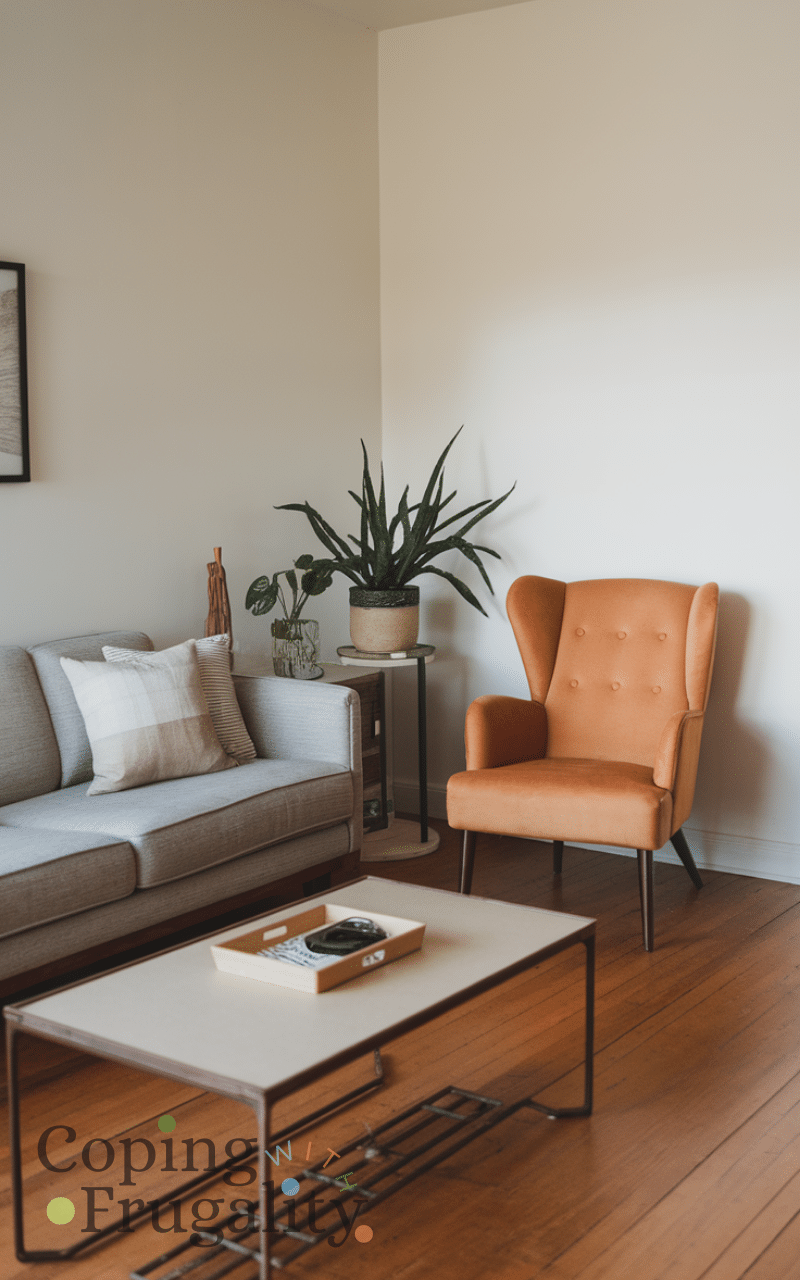
A crowded layout can make a room feel smaller than it is. This Living Room Layout Idea for Small Spaces on a Budget focuses on arranging furniture to allow easy movement. Clear walkways improve comfort and make the room feel more open without spending a single dollar.
Clear walkways cost nothing, but they completely change how spacious a room feels. I walk through my living room after rearranging to make sure there’s room to move comfortably. The most common mistake is overcrowding for aesthetics over practicality. My recommendation is to test your layout with daily use—if you bump into furniture, it’s time to adjust.
7. Stick to Light and Neutral Colors
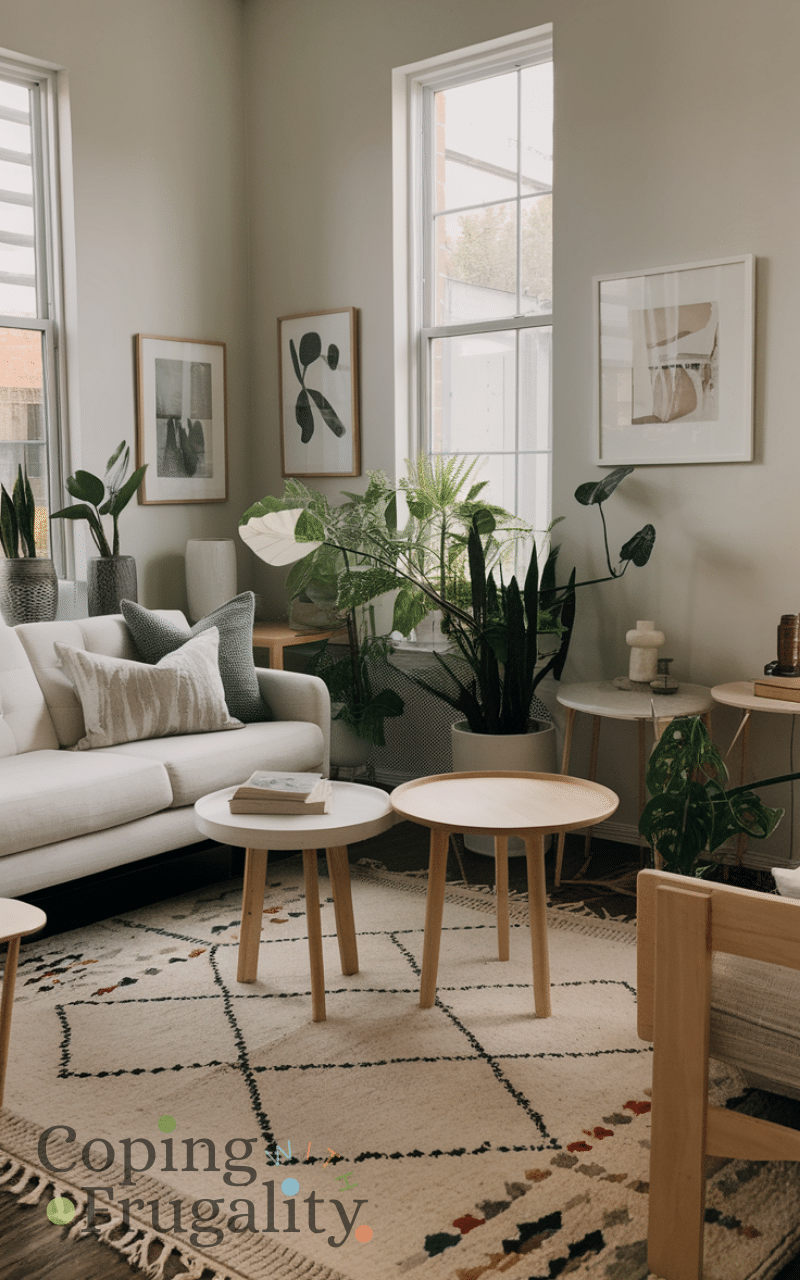
Light colors reflect natural light and create a sense of openness. This Living Room Layout Idea for Small Spaces on a Budget encourages using light-colored furniture or decor to enhance the layout. Even rearranging existing light pieces can make the room feel brighter and more spacious.
Light tones make a small space feel open. You can do this for $0–$100, depending on whether you’re swapping decor, furniture covers, or paint alternatives. I save money by choosing removable cushion covers or throws instead of repainting. A mistake I see often is using dark colors on all walls, which closes in the space. Personally, I prefer neutrals with one accent piece—it feels fresh and airy.
6. Arrange Furniture Along One Wall
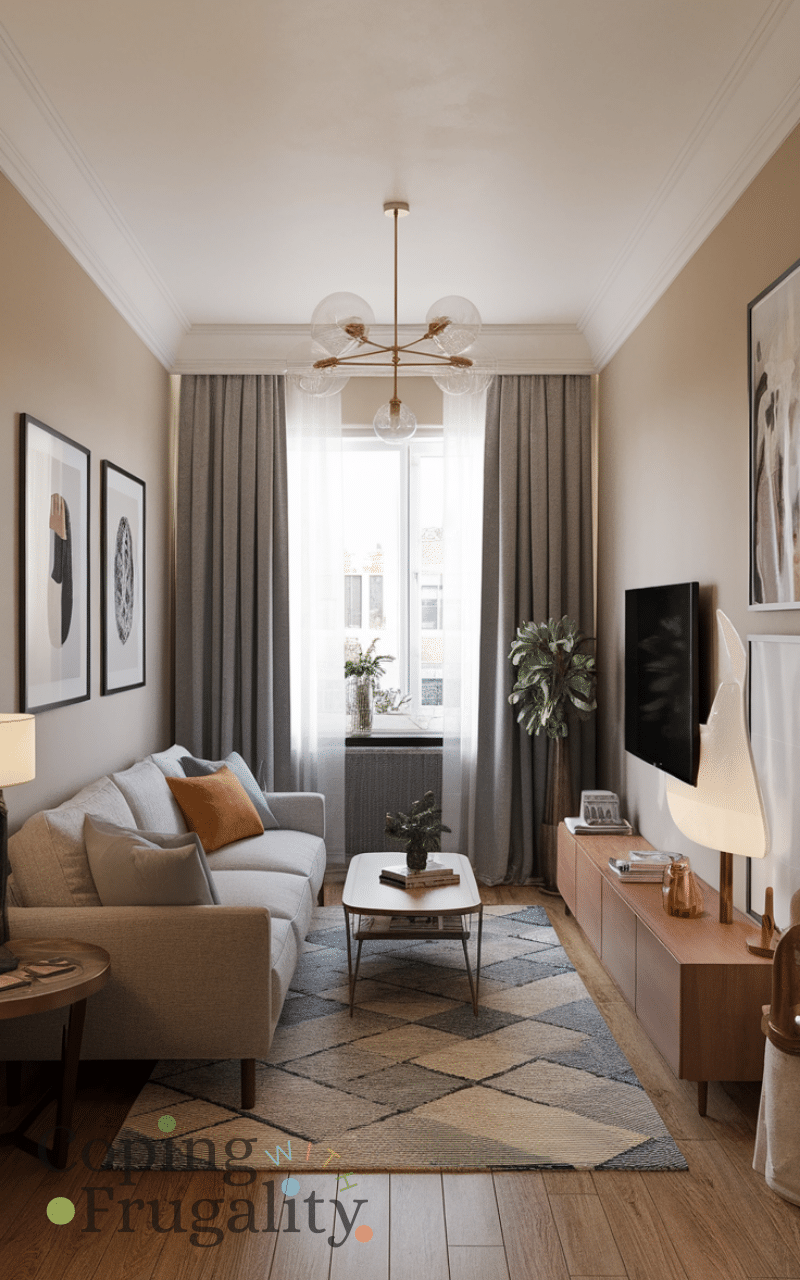
For very small living rooms, a single-wall layout works well. This Living Room Layout Idea for Small Spaces on a Budget keeps the sofa, TV, and storage aligned on one wall, leaving the rest of the room open. It’s a clean and simple layout that maximizes usable space.
Single-wall layouts are perfect for tiny rooms. This is mostly $0 if you already own furniture. I like lining the sofa, TV, and storage along one wall, leaving open floor space. The mistake I often see is cramming too many pieces along the wall—less is more. I recommend keeping it simple; open areas feel larger than any decorative trick.
5. Use Mirrors to Visually Expand the Room
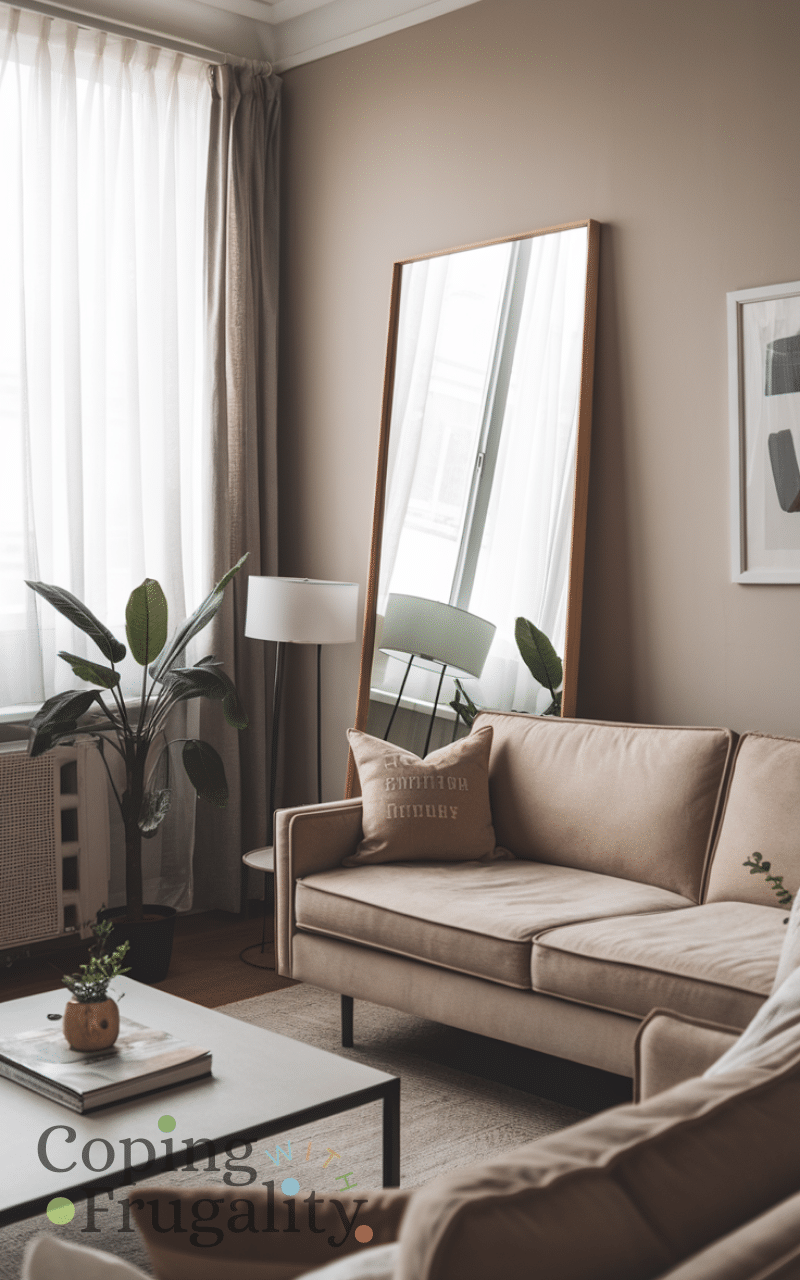
Mirrors are a powerful design tool. This Living Room Layout Idea for Small Spaces on a Budget uses mirrors to reflect light and make the room appear larger. Placing a mirror opposite a window or behind seating instantly enhances the layout without a high cost.
Mirrors are cheap magic for small spaces. Expect to spend $25–$150, depending on size and style. I save by leaning mirrors instead of hanging them—they reflect light instantly without permanent work. People often hang mirrors too high; I like mine slightly above eye level for natural expansion. Personally, I love mirrors across from windows—it doubles the daylight.
4. Choose Slim, Lightweight Furniture
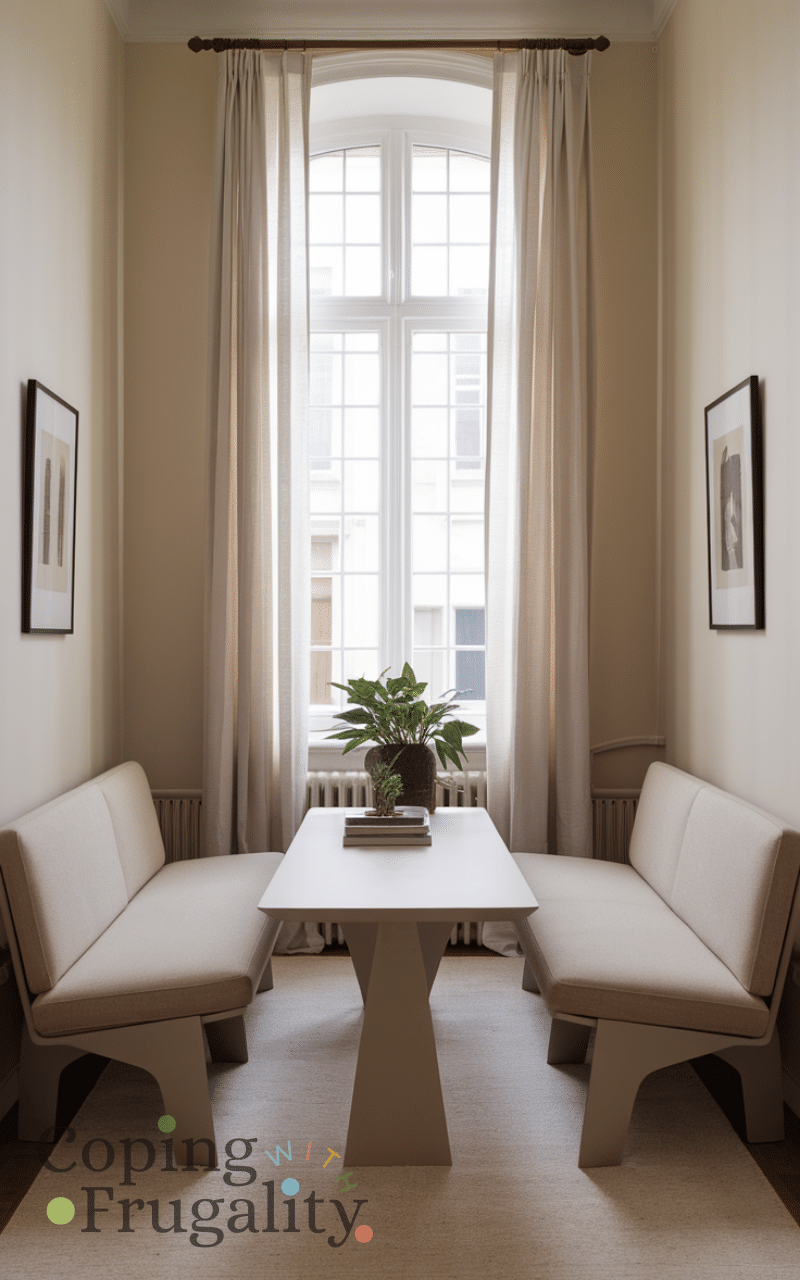
Bulky furniture can dominate a small living room. This Living Room Layout Idea for Small Spaces on a Budget focuses on slim sofas, narrow tables, and open-leg designs. These pieces create a lighter look and help the layout feel less crowded while often being more affordable.
Slim designs make rooms feel lighter and less crowded. Prices vary $150–$600, but thrifted or clearance pieces work beautifully. My tip is to prioritize open legs and narrower profiles for visual space. A common mistake is buying bulky furniture that dominates the room, even if it looks “comfortable.” Personally, I prefer airy, open pieces—they’re easier to move and refresh the layout.
3. Create Zones in Open-Plan Spaces
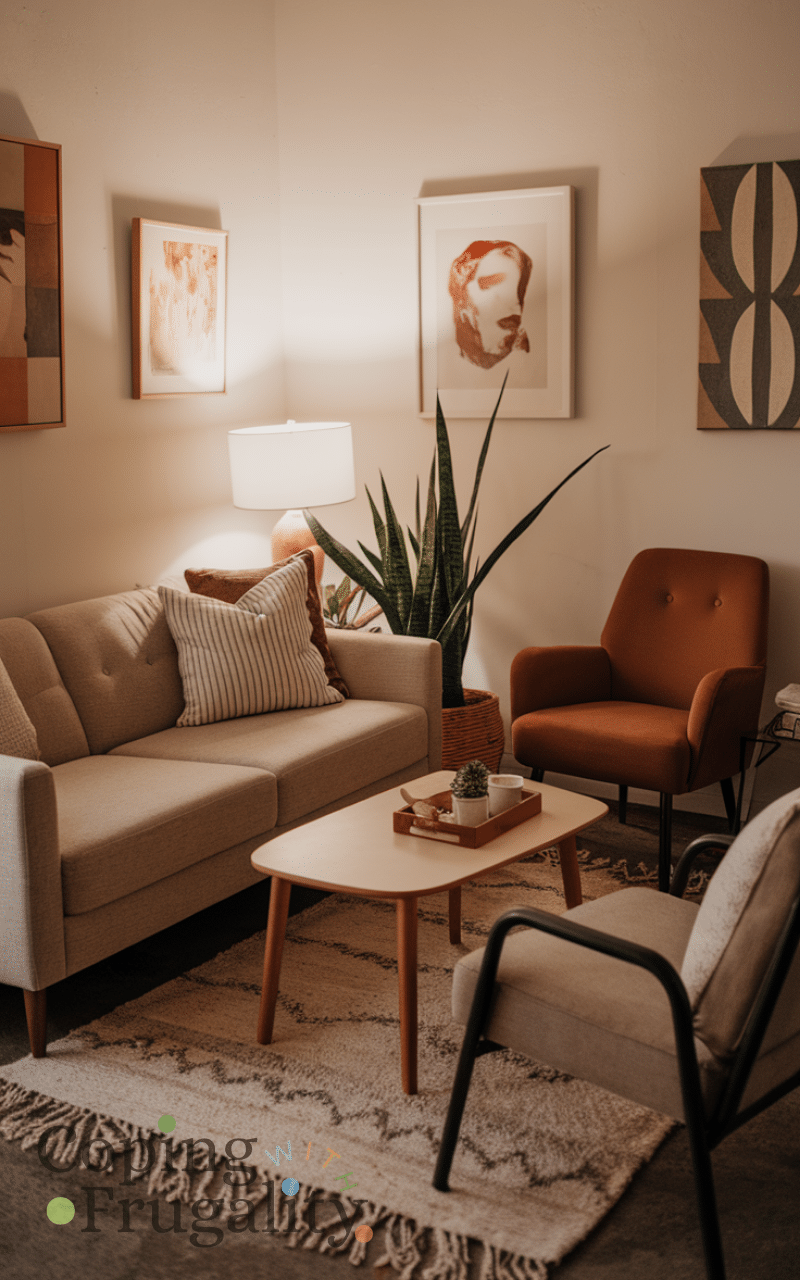
If your living room is part of an open area, zoning is essential. This Living Room Layout Idea for Small Spaces on a Budget uses rugs, lighting, or furniture placement to define the living space. Clear zones make the layout feel organized and intentional without adding walls or spending much money.
Zoning makes open spaces functional and inviting. Rugs, lighting, or furniture placement can define areas for $30–$150. I save by using existing rugs or lamps creatively. A common mistake is ignoring flow; each zone should feel connected yet purposeful. Personally, I love separating my seating area from dining with a rug and a sofa orientation—it creates intimacy without walls.
2. Embrace a Minimalist Layout
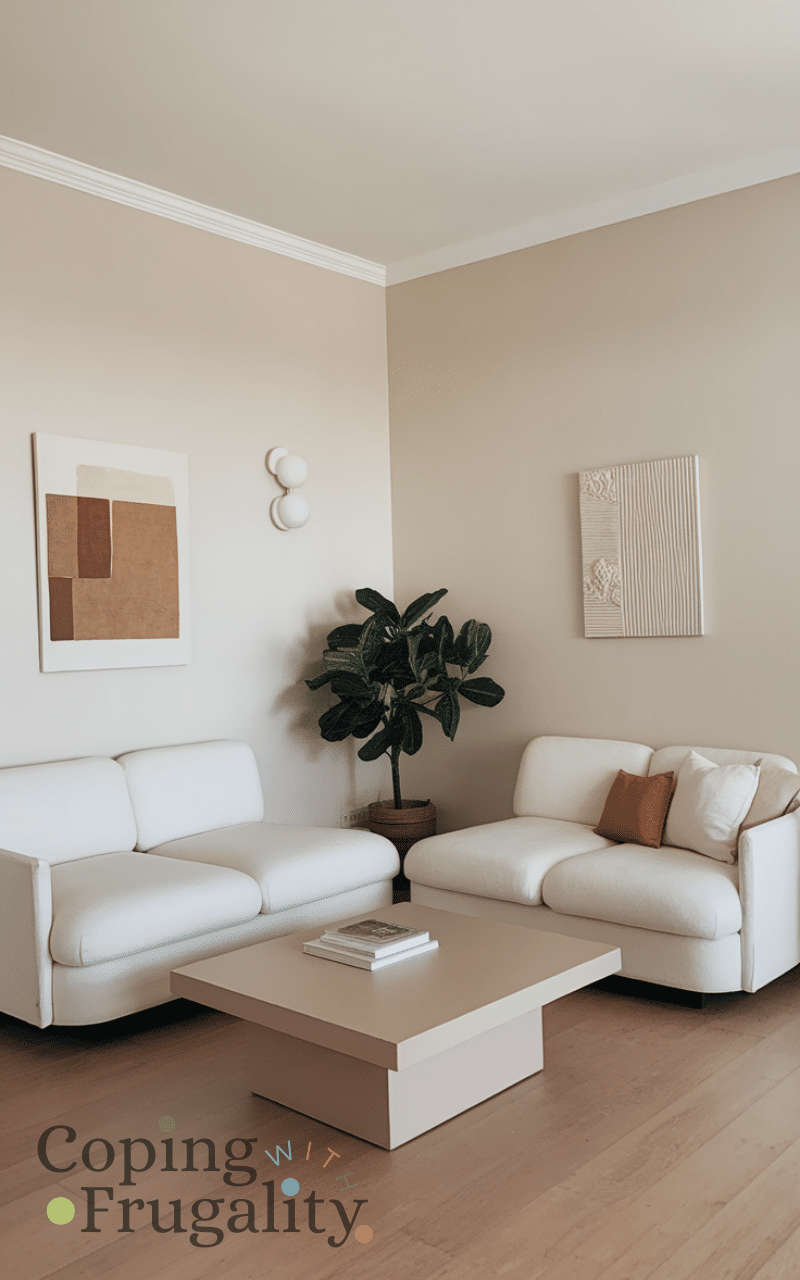
Minimalism works especially well in small rooms. This Living Room Layout Idea for Small Spaces on a Budget encourages keeping only essential furniture and decor. Fewer items reduce visual clutter and help the room feel calm, open, and stylish at no extra cost.
Minimalism costs nothing but decluttering. I keep only essentials and a few decorative accents. The common mistake is leaving too many “just-in-case” items—it visually overwhelms. Personally, I love how calm and spacious my small living room feels when I pare down. Less really is more, especially in cozy spaces.
1. Rearrange What You Already Own
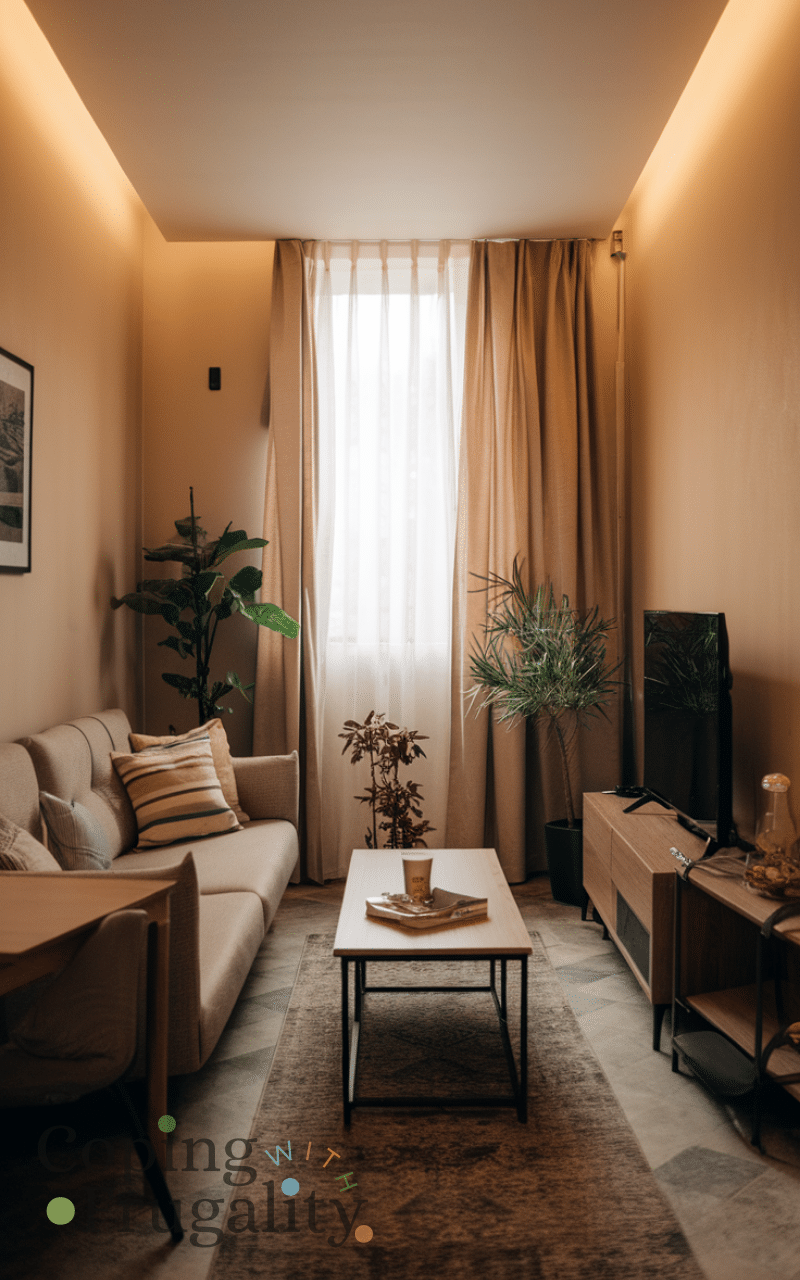
The most budget-friendly solution of all is rearranging existing furniture. This Living Room Layout Idea for Small Spaces on a Budget proves that experimenting with new layouts can completely transform a room. No shopping required—just creativity and a little time.
This is the ultimate budget-friendly solution—$0. I spend time experimenting with different arrangements, moving pieces around until it feels right. Money-saving tip: test layouts on paper first to avoid heavy lifting. People often get stuck in one configuration; I recommend rotating furniture seasonally for a fresh perspective. It’s amazing how much a simple rearrangement can refresh a room without spending a cent.
Conclusion
These Living Room Layout Ideas for Small Spaces on a Budget show that you don’t need expensive furniture or renovations to create a beautiful and functional living room. With smart layouts, simple adjustments, and affordable choices, any small space can feel bigger and more inviting. If you found this guide helpful, subscribe to my blog for more budget-friendly home tips, small-space solutions, and easy interior inspiration.

[…] so they look rich and intentional when closed. This approach tied in perfectly with my overall Living Room Layout, because the curtains now frame the space instead of competing with it. That fullness is what […]