Everything can be done with budget
How to Travel on a Budget and Still Have Fun

I used to think traveling was only for rich people. Every time I saw photos of my friends on vacation, I felt jealous and sad. They were visiting beaches, exploring cities, and eating delicious food in new places, while I stayed home because I thought I couldn’t afford to travel. But then something amazing happened – I discovered that you don’t need to be rich to travel! You just need to be smart about how you do it.
My first budget trip changed my whole life. I went to a beautiful beach town for five days and spent less than $300 total, including everything! My friends couldn’t believe it when I showed them my photos. They thought I must have spent thousands of dollars, but I didn’t. I learned tricks and secrets that let me travel without breaking my bank account. Now I take trips all the time, and I still don’t spend a lot of money!
The best part about budget travel is that it’s often more fun than expensive travel! When you’re not staying at fancy hotels and eating at expensive restaurants, you get to experience places the way local people do. You eat where they eat, you go where they go, and you have real adventures instead of just tourist experiences. I’m going to share all my secrets with you so you can start traveling too, no matter how much money you have!
Why I Started Traveling on a Budget
For years, I had excuses for why I couldn’t travel. I told myself I needed to save money, I needed to work, I needed to wait until I had more money in my bank account. But deep down, I was just scared. I was scared of spending money, scared of planning a trip wrong, and scared that I’d run out of money while I was away from home. Can you relate to this feeling?
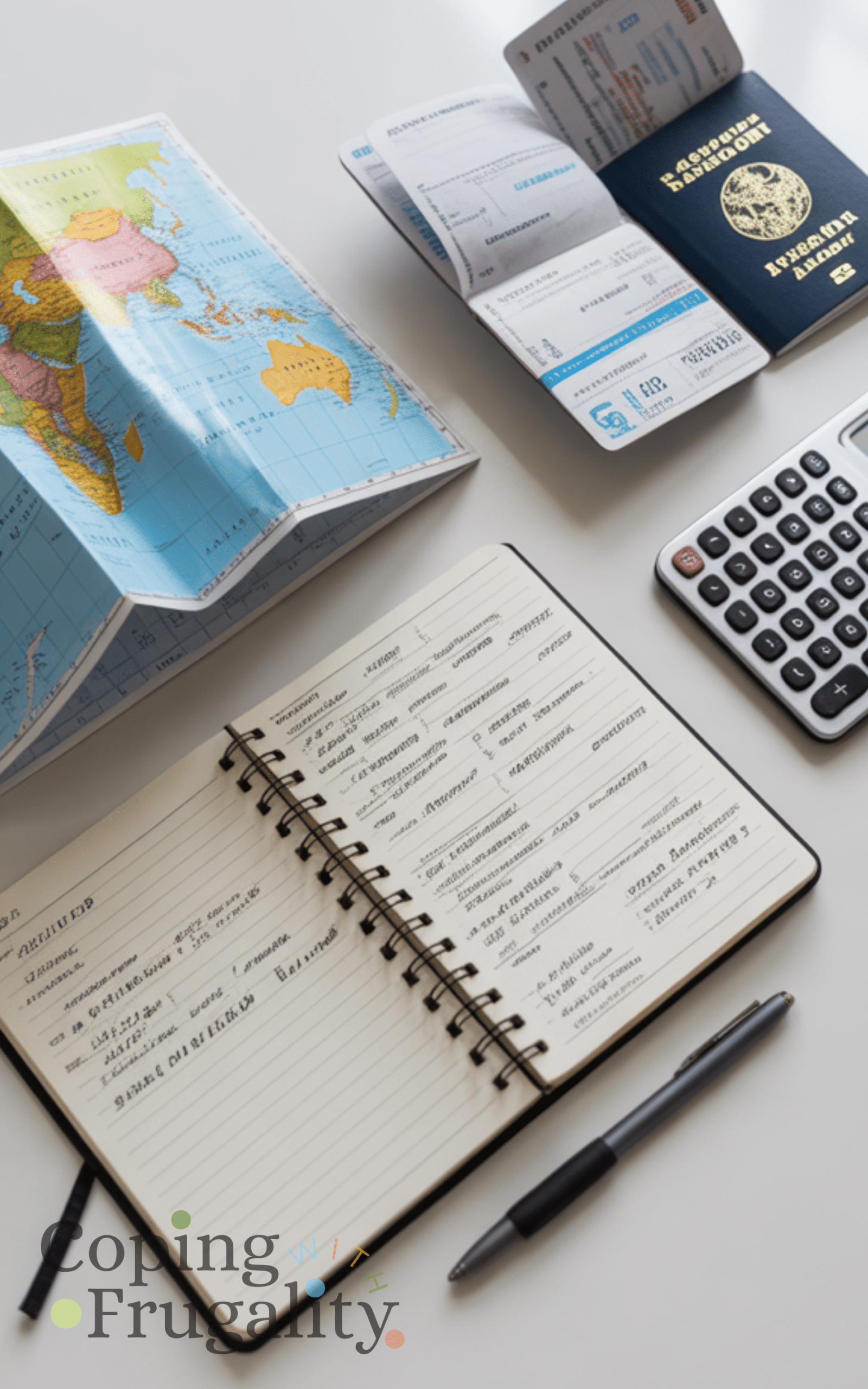
Then one day, my friend told me about her trip to Mexico. She went for a whole week and only spent $400! I couldn’t believe it. I asked her a million questions: “Where did you stay? How did you eat? What did you do?” She explained all her tricks to me, and I realized that budget travel was actually possible. It wasn’t just a dream – it was something I could really do!
I decided right then that I would take my first budget trip within three months. I gave myself a deadline because I knew if I didn’t, I’d keep making excuses forever. I started researching, planning, and saving money. I cut out buying coffee every day and put that money in my “travel fund” jar. I packed my lunch instead of buying it. Every dollar I saved brought me closer to my goal!
Three months later, I took a bus to a beach town three hours away. I stayed at a hostel that cost $20 a night, I cooked some of my own meals, and I did free activities like swimming, hiking, and exploring the town. I had the best time of my life! When I came home, I felt like a different person. I felt brave, capable, and excited about life. That trip cost me less than $300, but it gave me priceless memories and confidence.
How I Choose Budget-Friendly Destinations
Not all places cost the same amount of money to visit. Some cities and countries are super expensive, while others are really cheap! The first trick to budget travel is choosing destinations where your money goes far. Let me explain what I mean by this.
I learned that instead of going to expensive places like Paris or New York City, I could go to cheaper places that are just as beautiful and fun! For example, instead of going to Hawaii, I went to a beach in Mexico where hotels cost one-third of the price. Instead of going to expensive ski resorts, I went hiking in national parks where it’s free to visit. Instead of going to London, I went to smaller European cities where food and hotels cost much less.
I also discovered that traveling close to home is usually cheaper than traveling far away. Flights cost a lot of money! So instead of flying across the country, I started exploring places I could drive to or take a cheap bus to. I was surprised to find amazing places just a few hours from my house that I’d never visited before! There were beautiful lakes, interesting small towns, and fun cities all within a day’s drive.
I use the internet to research which places are cheap to visit. I read travel blogs written by budget travelers, I watch YouTube videos, and I join Facebook groups where people share tips about cheap destinations. Some countries in Southeast Asia, Central America, and Eastern Europe are known for being very affordable. Within my own country, I look for small towns and less touristy areas where prices are lower.
Timing matters too! I learned that visiting places during their “off-season” saves so much money. The off-season is the time when fewer tourists visit. For example, going to a beach town in September instead of July means cheaper hotels and fewer crowds. Going to a ski town in summer instead of winter means I can enjoy the mountains for less money. Everything gets cheaper when you avoid peak tourist season!
My Secret Strategies for Cheap Transportation
Transportation is usually the most expensive part of traveling, but I’ve found so many ways to save money on getting places! Instead of always flying or driving my own car, I use cheaper options that work just as well.
Buses are my best friend! I take long-distance buses all the time, and they’re so much cheaper than flying or driving. A bus ticket might cost $30, while a plane ticket costs $200 for the same trip. Yes, the bus takes longer, but I bring a book or download movies on my phone, and the time passes quickly. Plus, I love looking out the window and seeing the countryside. Some bus companies even have WiFi and comfortable seats!
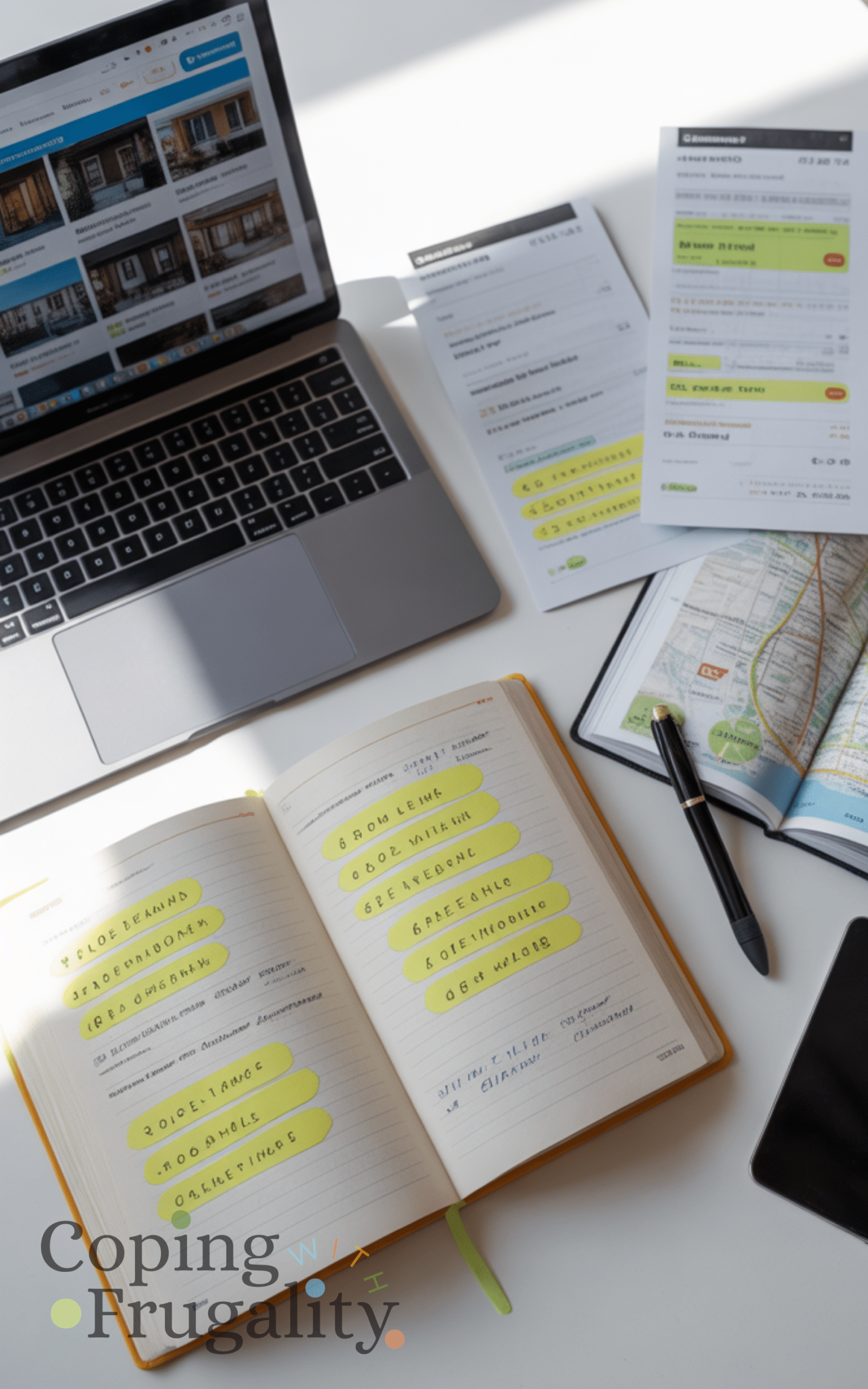
I also use ride-sharing when I can. There are apps and websites where people who are driving somewhere offer rides to others going the same way. You pay them a small amount for gas, but it’s way cheaper than a bus or train. I’ve met really interesting people this way, and sometimes we become friends! Just make sure to check reviews and be safe when sharing rides with strangers.
For flights, I’ve learned to be super flexible and hunt for deals. I use flight comparison websites to find the cheapest days to fly. Usually, flying on Tuesday or Wednesday is cheaper than flying on Friday or Sunday. Flying early in the morning or late at night is often cheaper too. I set up price alerts so the website emails me when prices drop. Sometimes I find flights for half the normal price just by being patient and flexible!
I avoid renting cars when I travel because rental cars are expensive, and then you have to pay for gas and parking too! Instead, I use public transportation like buses, trains, and subways in the cities I visit. Most places have good public transportation that’s cheap and easy to use. I also walk a lot! Walking is free, it’s good exercise, and you see so much more of a place when you walk instead of driving past everything.
When I do need a car for a day trip or something specific, I use car-sharing apps instead of traditional rental companies. These are usually cheaper and easier. Or sometimes I take tours that include transportation – this can actually be cheaper than renting a car for the day, plus I don’t have to worry about driving in an unfamiliar place!
Where I Stay for Almost Nothing
Hotels are expensive! A regular hotel might cost $100 or $150 per night, and that adds up fast on a week-long trip. But I’ve discovered so many cheaper places to stay that are comfortable, safe, and sometimes even more fun than hotels!
Hostels are amazing! I know what you’re thinking – “Aren’t hostels dirty and dangerous?” No! Modern hostels are clean, safe, and full of friendly travelers from all over the world. I stay in hostels all the time, and I’ve had wonderful experiences. A bed in a hostel usually costs $15 to $30 per night instead of $100 for a hotel. That’s huge savings! Most hostels have kitchens where you can cook, free WiFi, and common areas where you can meet other travelers.
I choose hostels carefully by reading reviews online. I look for hostels with good ratings, clean photos, and positive comments about safety and cleanliness. Many hostels offer private rooms if you don’t want to share a room with strangers, and these private rooms still cost way less than hotels! I’ve stayed in hostels in big cities, beach towns, and mountain villages, and I’ve always felt safe and comfortable.
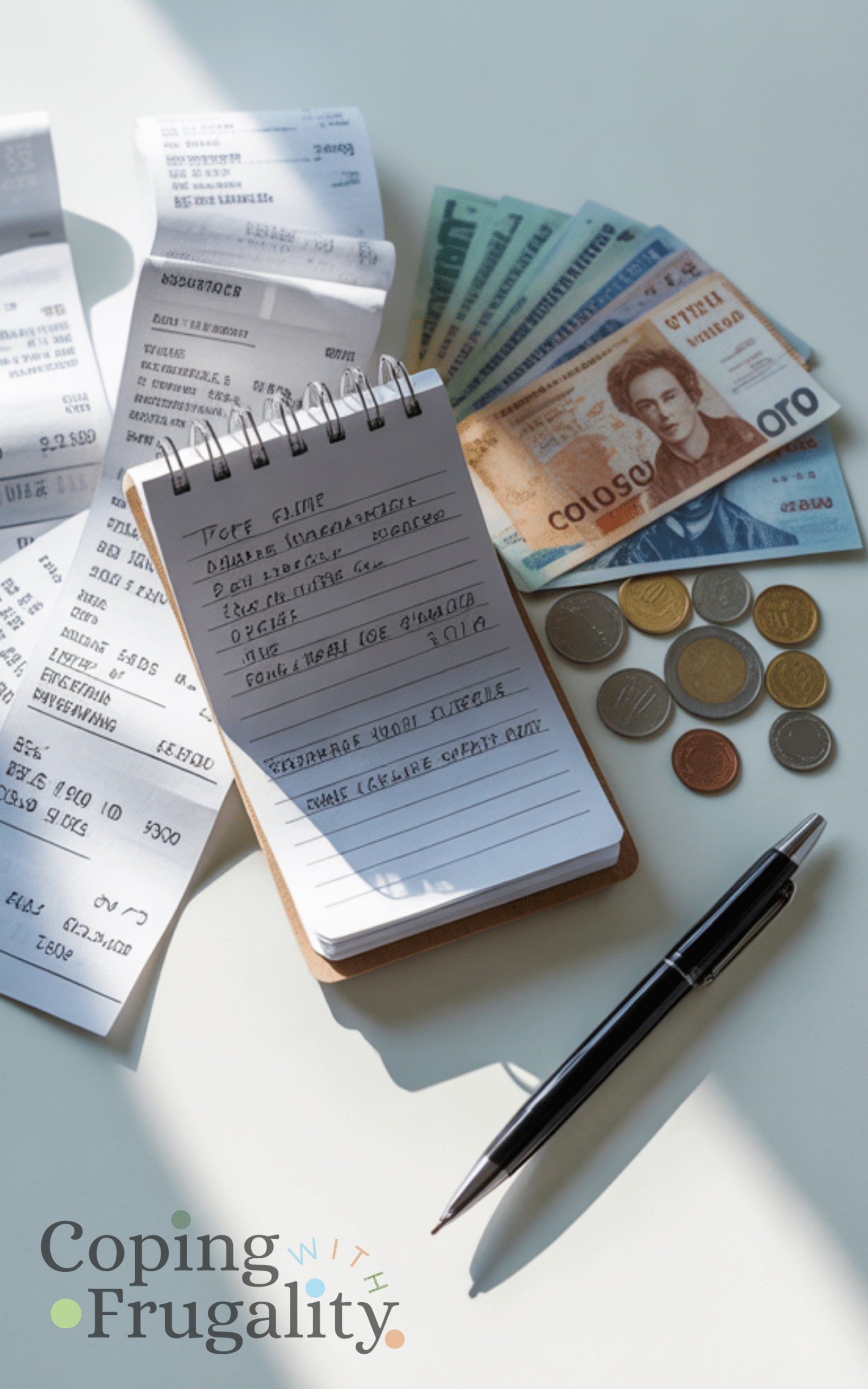
Another option I love is Airbnb or similar home-sharing websites. Sometimes people rent out their spare bedroom or their whole apartment for less than a hotel would cost. I’ve stayed in really cool places this way – like an artist’s loft, a tiny house in the woods, and a cozy apartment in a local neighborhood. These places often have kitchens, which saves me money on eating out, and the hosts usually give me great tips about where to go and what to do!
For longer trips, I sometimes house-sit! There are websites where people who are going on vacation need someone to watch their house and maybe feed their pets. You stay at their house for free, and they get peace of mind knowing someone is taking care of their home. I’ve house-sat for a week at a time in places I never could have afforded otherwise. It’s a win-win situation!
Camping is another super cheap option if you like being outdoors! Campsites usually cost $10 to $30 per night, and some are even free. I have a small tent that I bring with me, and I love falling asleep under the stars. Camping isn’t for everyone, and it’s not comfortable in every season, but when the weather is nice, it’s an amazing way to travel cheaply and connect with nature.
I also use couch-surfing websites where people offer their couch or spare room for free to travelers! Yes, completely free! The idea is that travelers help each other out. You stay with someone for free when you visit their city, and maybe someday someone stays with you for free when they visit your city. I’ve met incredible people this way and learned so much about the places I visit from local people who live there.
How I Eat Well Without Spending Much
Food is one of my favorite parts of traveling! I love trying new dishes and local specialties. But eating at restaurants for every meal gets expensive fast. A restaurant meal might cost $15 to $25, which means $45 to $75 per day just for food! That’s too much for my budget. Here’s how I eat delicious food while traveling without spending a fortune.
I stay in places with kitchens whenever possible. This lets me cook some of my own meals, which saves so much money! I go to local grocery stores and buy bread, cheese, fruit, vegetables, pasta, and other simple ingredients. I make my own breakfast every day – maybe toast with jam, oatmeal with fruit, or eggs. I pack sandwiches and snacks for lunch. Then I might eat dinner at a restaurant so I can try local food without spending money on three restaurant meals every day.
When I do eat at restaurants, I look for places where local people eat instead of touristy restaurants. Local places are almost always cheaper and the food is often better! I ask my hostel staff, Airbnb hosts, or friendly locals where they like to eat. I avoid restaurants right next to major tourist attractions because those are always overpriced. I walk a few blocks away from the tourist areas and find much better deals.
I eat my biggest meal at lunch instead of dinner because many restaurants offer lunch specials that cost less than dinner! The same meal that costs $20 at dinner might cost $10 at lunch. I take advantage of these lunch deals, eat a big lunch, and then have a light, cheap dinner like a sandwich or leftovers.
Street food is my secret weapon! In many places around the world, street food is cheap, delicious, and safe to eat. I buy tacos from street vendors in Mexico, noodles from food stalls in Thailand, and empanadas from street carts in South America. Street food usually costs just a few dollars, it’s authentic local food, and it tastes amazing! Just make sure the stall looks clean and busy – if locals are eating there, it’s usually good!
I always carry snacks with me. I buy nuts, granola bars, fruit, crackers, and other snacks at grocery stores and keep them in my backpack. This way, when I get hungry between meals, I don’t have to buy expensive snacks at tourist shops or restaurants. Having snacks with me has saved me so much money over the years!
I also drink tap water instead of buying bottled water everywhere. I bring a reusable water bottle and fill it up at my accommodation or at water fountains. In places where tap water isn’t safe to drink, I buy big bottles of water at grocery stores (much cheaper than small bottles at tourist shops) and use those to refill my reusable bottle. This simple trick saves me several dollars every day!
The Free and Cheap Activities I Love
You don’t need to spend money on expensive tours and attractions to have fun while traveling! Some of my best travel memories are from free or cheap activities. Let me share my favorite ways to enjoy a new place without spending much money.
Walking tours are amazing and often free! Many cities offer free walking tours where a local guide shows you around and tells you about the history and culture. The tour is “free,” but you’re expected to tip the guide at the end based on what you can afford. I usually tip $5 to $10, which is way cheaper than paid tours that cost $30 to $50! I learn so much on these tours, and I get oriented in the city on my first day.
I explore nature, which is usually free! Beaches, parks, hiking trails, lakes, and mountains are all free to visit and enjoy. Some of my favorite travel days have been spent hiking to beautiful viewpoints, swimming in the ocean, watching sunsets, and having picnics in parks. Nature doesn’t cost money, but it gives you incredible experiences and photos!
Museums often have free days or free hours! I research this before I visit a city. Many museums are free one evening a week or one day a month. I plan my visits around these free times and save the $15 to $25 entrance fees. Even museums that charge admission often cost less than other tourist attractions, and I learn so much by visiting them.
I use my feet to explore instead of paying for tours! I walk around neighborhoods, look at architecture, visit markets, watch street performers, and sit in plazas people-watching. This is completely free, and I discover so many interesting things just by wandering around. I find cool street art, stumble upon local festivals, and see how real people live in the place I’m visiting.
I take advantage of free events! I check local event calendars online to see what’s happening while I’m visiting. There are often free concerts, festivals, art shows, outdoor movies, and community events. These are fun, they’re free, and they let me experience the local culture in an authentic way!
I also do cheap activities instead of expensive ones. Instead of paying $50 for a boat tour, I take a public ferry for $3 that goes along the same route. Instead of paying for an organized food tour, I create my own by visiting the local market and trying different foods. Instead of paying for a bike tour, I rent a bike for a few dollars and explore on my own. With a little creativity, I can have similar experiences for a fraction of the cost!
How I Travel Smart and Safe on a Budget
Traveling on a budget doesn’t mean being uncomfortable or unsafe! I’ve learned how to travel cheaply while still being smart, safe, and comfortable. Here are my important tips for budget travel done right.
I always have travel insurance! This might seem like an extra expense, but it’s actually really important. Travel insurance costs about $5 to $10 per day and protects me if something goes wrong, like getting sick, missing a flight, or losing my luggage. Without insurance, one medical emergency could cost thousands of dollars and ruin my finances. With insurance, I’m protected and can travel with peace of mind.
I keep my valuables safe. I use a hidden money belt under my clothes to carry my passport, credit cards, and most of my cash. I only carry what I need for the day in my regular pockets or bag. I make copies of my important documents and keep them separate from the originals. I back up my photos to the cloud every day, so if my phone gets lost or stolen, I don’t lose all my memories.
I trust my instincts about safety. If a place feels sketchy or a person makes me uncomfortable, I leave or say no. Being on a budget doesn’t mean I have to put myself in dangerous situations. I research neighborhoods before I book accommodation, I avoid walking alone late at night in unfamiliar areas, and I tell someone where I’m going if I’m doing something adventurous alone.
I stay connected. I buy local SIM cards or use international phone plans so I can use maps, translate words, and call for help if I need to. Having internet on my phone makes traveling so much easier and safer! I can look up directions, check reviews of restaurants and hostels, and stay in touch with family back home.
I plan ahead but stay flexible. I research my destinations before I go, I have a rough itinerary, and I know where I’m staying the first night. But I also leave room for spontaneity and changes! Sometimes the best experiences come from unexpected opportunities, like meeting other travelers who invite me to join them, or hearing about a cool place that’s not in my guidebook.
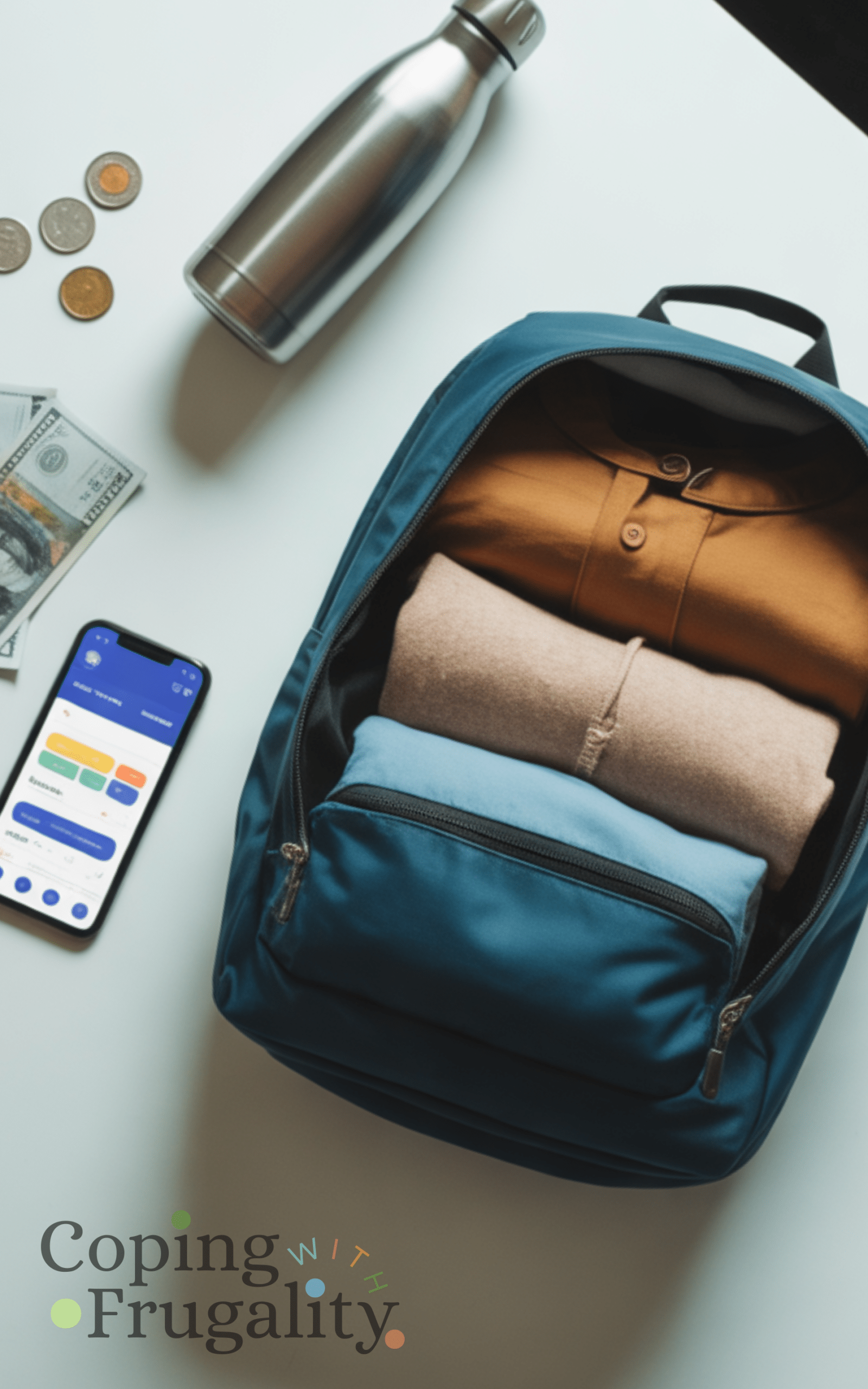
I pack light to save money on baggage fees and make traveling easier. I only bring what I can carry comfortably in one backpack. This means I don’t pay to check luggage on flights, I can easily get on and off buses and trains, and I’m not exhausted from lugging heavy bags around. I wear the same clothes multiple times and wash them in sinks or laundromats. Packing light is one of the best travel tips I ever learned!
My Real Travel Budget Examples
Let me show you actual examples of trips I’ve taken so you can see exactly how budget travel works! These are real trips with real numbers, not made-up examples.
My weekend beach trip cost $185 total for three days! I took a bus for $25 each way ($50 total for transportation). I stayed at a hostel for $22 per night ($44 for two nights). I spent $30 on groceries to make my own breakfasts and lunches. I ate dinner at local restaurants twice ($25 total). I rented a surfboard for one afternoon ($15). I spent $6 on bus fare in the town. Everything else I did was free – swimming, watching sunsets, exploring the town, sitting on the beach. That’s under $200 for an amazing weekend getaway!
My week-long mountain adventure cost $320! I drove my car and split gas with a friend ($40 for my half). We camped at a national park ($15 per night for our campsite, which was $52.50 for my half of seven nights). I spent $80 on groceries for the week. We hiked every day for free. We ate at a restaurant twice ($35). I bought a souvenir t-shirt ($12) and had one fancy ice cream ($5). That’s it! A full week of adventure for about $320, including everything!
My five-day city exploration cost $410. I took a cheap flight I found on sale ($120 round-trip). I stayed at an Airbnb and split it with two friends ($35 per night for my share, which was $175 total). I ate breakfast at the Airbnb every day, packed lunches, and ate dinner out ($65 for all food). I used public transportation ($20). I visited two museums ($25). I did free walking tours and tipped ($15). Everything else was free – walking around, visiting markets, sitting in parks, window shopping. For about $400, I had an incredible city vacation!
You see? Travel doesn’t have to cost thousands of dollars! With smart planning and the right mindset, you can have amazing adventures on a small budget. The memories I made on these cheap trips are just as precious as memories from expensive vacations would be!
Frequently Asked Questions
Is budget travel safe?
Yes! Budget travel can be just as safe as expensive travel if you’re smart about it. I always research my destinations, read reviews of hostels and neighborhoods, trust my instincts, and take normal safety precautions like not walking alone late at night in unfamiliar areas. Most budget travelers I’ve met are just regular people like me who want to see the world without spending a fortune. The key is doing your research, staying aware of your surroundings, and not putting yourself in risky situations just to save a few dollars. Safety should always come first, even on a budget!
Don’t I need a lot of time off work to travel?
Not at all! You can travel on weekends or during short breaks. My beach trip was just a long weekend – I left Friday evening and came back Sunday night. My mountain trip was during a week of vacation time. You don’t need months of time off to travel! Even a three-day trip can refresh you and give you amazing memories. Start with short trips close to home, and as you get more comfortable with budget travel, you can plan longer adventures when you have more time off.
What if I don’t speak the language of the place I’m visiting?
I don’t speak many languages either, but I’ve traveled to places where people speak Spanish, Thai, French, and languages I don’t know at all! Translation apps on my phone help so much – I can translate signs, menus, and even have simple conversations. I also learn a few basic phrases like “hello,” “thank you,” “how much,” and “where is…” in the local language. People appreciate when you try! Plus, smiling and using gestures works surprisingly well. Don’t let language barriers stop you from traveling!
How do I find cheap flights?
I use flight comparison websites that search hundreds of airlines at once to find the best prices. I’m flexible with my travel dates because flying on certain days is cheaper. I set up price alerts so I get notified when flights to places I want to visit go on sale. I avoid traveling during holidays and peak seasons when flights are expensive. I sometimes fly to a nearby cheaper airport and then take a bus or train to my final destination. I also follow airlines and travel deal websites on social media to learn about flash sales and mistake fares!
What if I get lonely traveling alone on a budget?
I used to worry about this too! But I’ve found that budget travel actually makes it easier to meet people, not harder. Hostels are full of other solo travelers who want to make friends. I’ve joined other travelers for dinners, day trips, and adventures. I’ve met people at free walking tours, at cooking classes, and just by chatting with people at cafes or viewpoints. Budget travelers tend to be friendly and open to making new friends! If you’re shy, staying at hostels with common areas makes it easy to meet people naturally. Plus, there’s nothing wrong with enjoying some solo time to think, relax, and do exactly what you want!
What should I do if something goes wrong on my trip?
First, don’t panic! Problems happen to everyone when they travel, even on expensive trips. If I miss a bus, I find the next one or look for alternative transportation. If I get sick, I rest, drink water, and go to a pharmacy or doctor if needed (this is why travel insurance is important!). If my plans change, I adjust and stay flexible. I always keep emergency money hidden separately from my regular money. I have important phone numbers saved in my phone. I stay in touch with someone back home who knows my itinerary. And I remind myself that solving problems is part of the adventure! Some of my best travel stories come from times when things didn’t go as planned!