Everything can be done with budget
How to Meal Plan on a Budget for the Whole Month

I know how hard it can be to feed your family when money is tight. Every time I go to the grocery store, I see the prices going up, and I feel worried about how I’m going to make my money last all month long. But I’ve learned something amazing – when I plan my meals ahead of time, I save so much money! It’s like magic, but it’s really just being smart about food.
Meal planning is like drawing a picture before you paint it. You think about what you want to eat for the whole month, write it down, and then buy only what you need. This way, you don’t waste food, you don’t buy things you don’t need, and you always know what’s for dinner. I’m going to share with you all my best tips for meal planning on a budget, and I promise it’s so easy that even a five-year-old could understand it!
Why I Started Meal Planning?
I used to go to the store every few days and just grab whatever looked good. Sometimes I’d buy chicken, but then forget to cook it, and it would go bad. Other times, I’d buy vegetables that would turn mushy in my fridge. I was throwing away food and throwing away money! One day, I counted up all the food I wasted in one month, and I almost cried. It was like throwing fifty dollars in the trash!
That’s when I decided to try meal planning. I sat down with a piece of paper and wrote out every single meal I wanted to make for a whole month. At first, it seemed hard, but then I realised it was actually fun! It’s like solving a puzzle. Now I save hundreds of dollars every year, and I never have to stress about what to make for dinner. My family is happier, my wallet is happier, and I feel so proud of myself.
How I Make My Monthly Meal Plan?
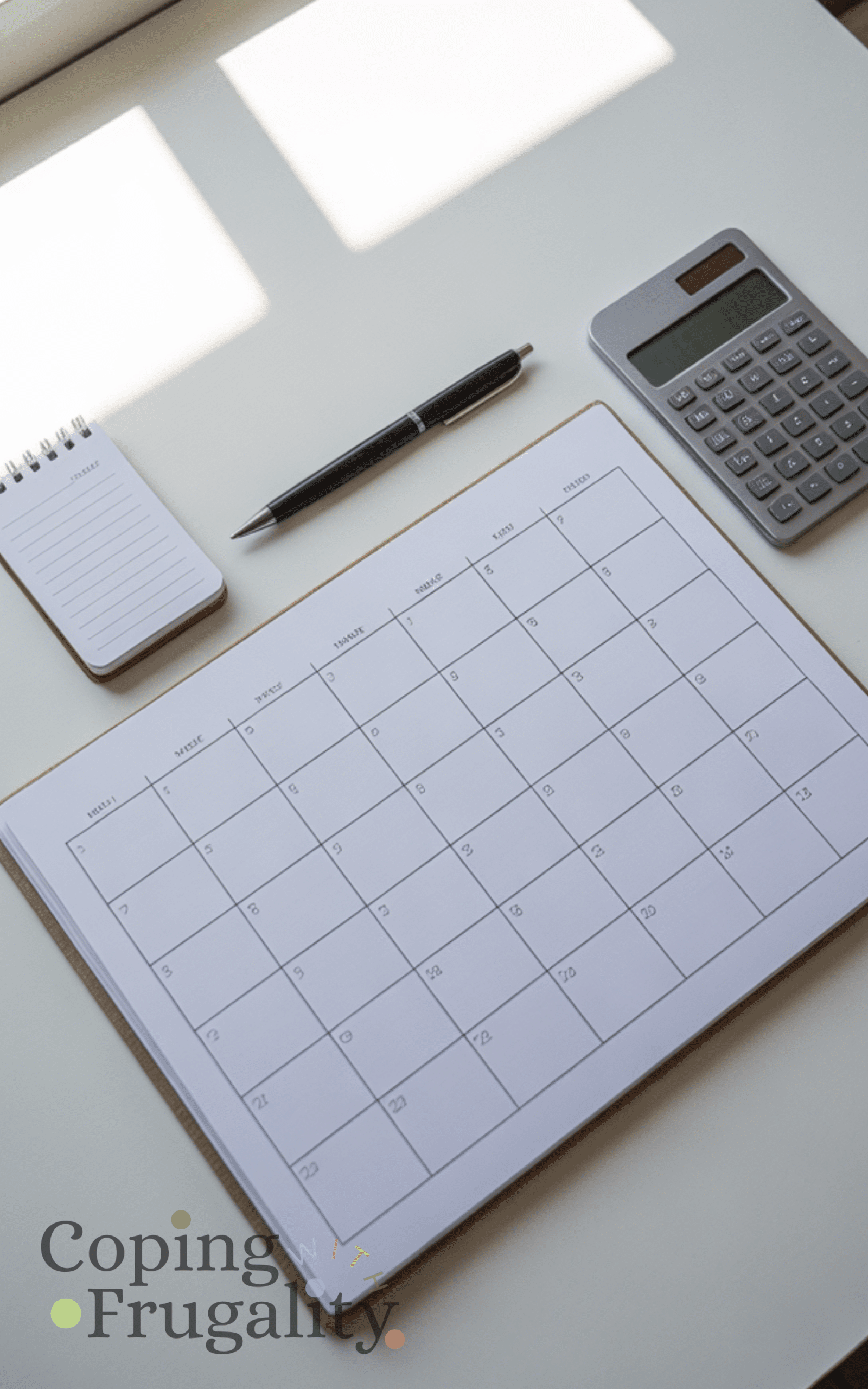
The first thing I do is get a calendar. I use a big paper calendar that I hang on my fridge, but you can use your phone or computer too. I write down every day of the month and leave space to write what we’re having for breakfast, lunch, and dinner.
Then I think about what my family likes to eat. I don’t plan fancy foods – I plan simple, yummy things that everyone will enjoy. For breakfast, I might write down oatmeal, eggs, or toast. For lunch, I plan sandwiches, soup, or leftovers from dinner. For dinner, I think about easy meals like pasta, chicken and rice, tacos, or stir-fry.
Here’s my secret trick – I repeat meals! If I make spaghetti on Monday, I might make it again three weeks later. This is smart because I can buy pasta sauce in big jars when it’s on sale, and I don’t have to think of thirty different dinner ideas. I usually have about ten favourite meals that I rotate through the month.
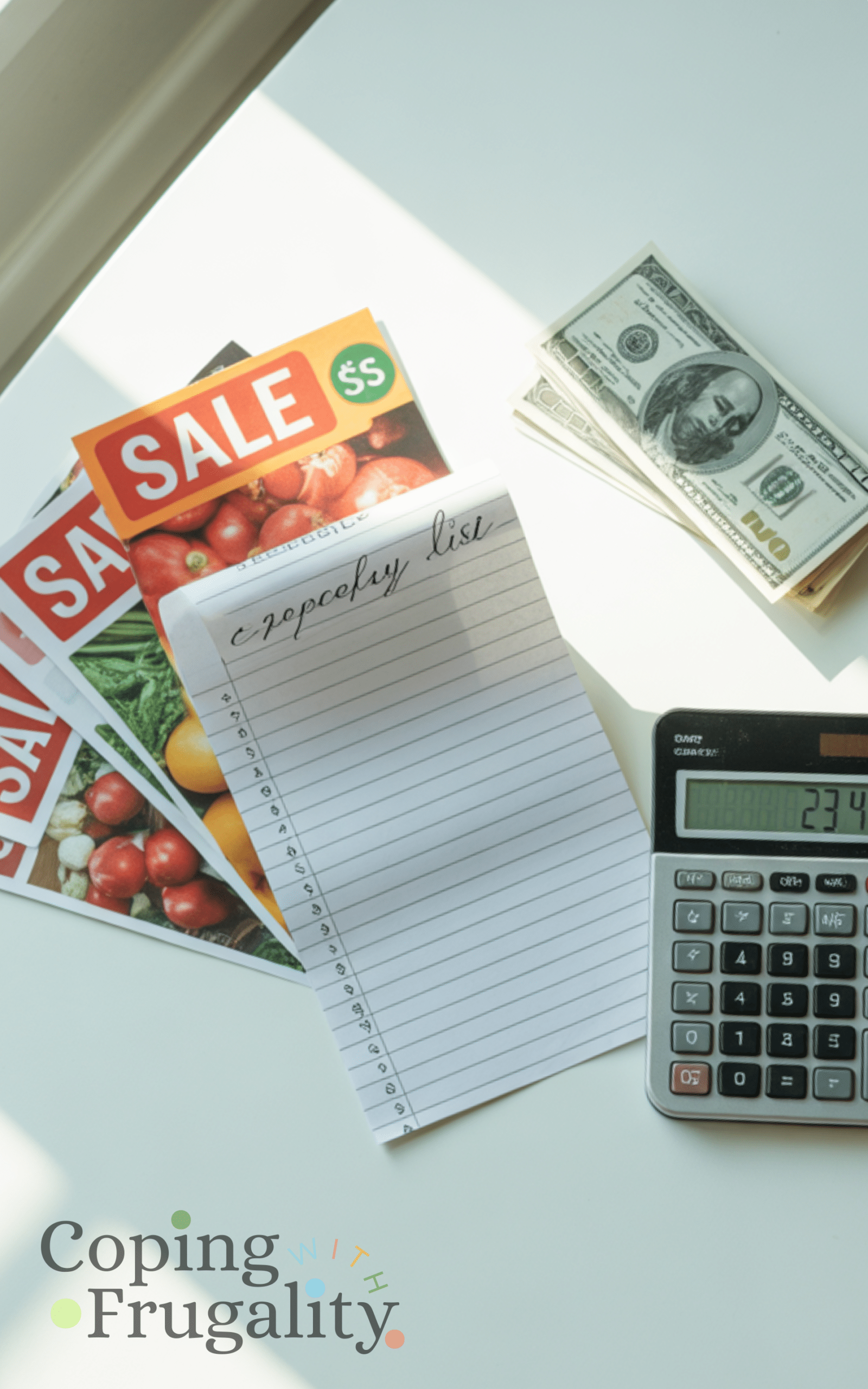
I also look at what’s on sale at my grocery store. Most stores have a weekly ad that shows which foods are cheap that week. If chicken is on sale, I plan lots of chicken meals. If rice is cheap, I plan meals with rice. This is how I save the most money!
My Smart Shopping Strategy
After I finish my meal plan, I make a shopping list. This is super important! I write down every single ingredient I need for the whole month. I check my kitchen first to see what I already have. Maybe I already have flour, sugar, or canned beans. I only buy what I don’t have.
I go shopping once or twice a month instead of every week. This saves me time and money because I’m not tempted to buy extra things every time I’m at the store. When I shop, I stick to my list like glue! If something isn’t on my list, I don’t buy it (unless it’s a really, really good sale on something I know I’ll use).
I buy a lot of the same foods in large amounts. Rice, pasta, beans, and oatmeal are very cheap when you buy big bags. One big bag of rice might cost five dollars, but it can make twenty meals! That’s only twenty-five cents of rice per meal. Buying big sizes of food that don’t go bad quickly is one of my best money-saving tricks.
I also buy frozen vegetables instead of always buying fresh ones. Frozen veggies are just as healthy, they cost less, and they don’t go bad in your fridge. A bag of frozen broccoli can sit in my freezer for months, waiting for me to use it. Fresh broccoli might go bad in a week if I forget about it.
The Foods I Always Buy
Some foods are cheap and can be used in many different meals. These are my favourite budget foods, and I buy them every month.
Rice is my number one budget food. It costs almost nothing, it fills you up, and you can eat it with anything. I make fried rice, rice and beans, rice with chicken, and rice pudding for dessert. One big bag lasts my family all month!
Pasta is another food I always buy. It’s cheap, kids love it, and there are so many ways to make it. I make spaghetti, mac and cheese, pasta salad, and soup with little pasta pieces. I buy the store brand pasta because it tastes the same as fancy brands but costs half as much.
Beans are magical! They’re full of protein, they’re super cheap, and they last forever in your cupboard. I buy dried beans and canned beans. Dried beans take longer to cook, but they cost even less than canned. I make bean burritos, bean soup, rice and beans, and chili. My kids don’t even realize they’re eating something so healthy and cheap!
Eggs are a cheap source of protein. I make scrambled eggs, hard-boiled eggs, fried eggs on toast, and egg sandwiches. A dozen eggs cost just a few dollars and can make lots of meals. Sometimes I eat eggs for breakfast, and sometimes I eat them for dinner!
Potatoes are filling and cheap. I make mashed potatoes, baked potatoes, roasted potatoes, and potato soup. You can buy a big bag of potatoes for just a few dollars, and they last for weeks in your cupboard. My whole family loves potatoes in any form!
Chicken is my favourite meat to buy. It costs less than beef, and you can cook it so many different ways. When chicken is on sale, I buy a lot and freeze it. Then I have chicken ready whenever I need it. I make baked chicken, chicken soup, chicken tacos, and chicken stir-fry.
Oatmeal is the cheapest breakfast. A big container of oatmeal costs just a couple of dollars and makes breakfast for a whole month! I add cinnamon, a little sugar, or fruit to make it taste good. It’s warm, yummy, and keeps you full all morning.
How I Cook and Save Time?
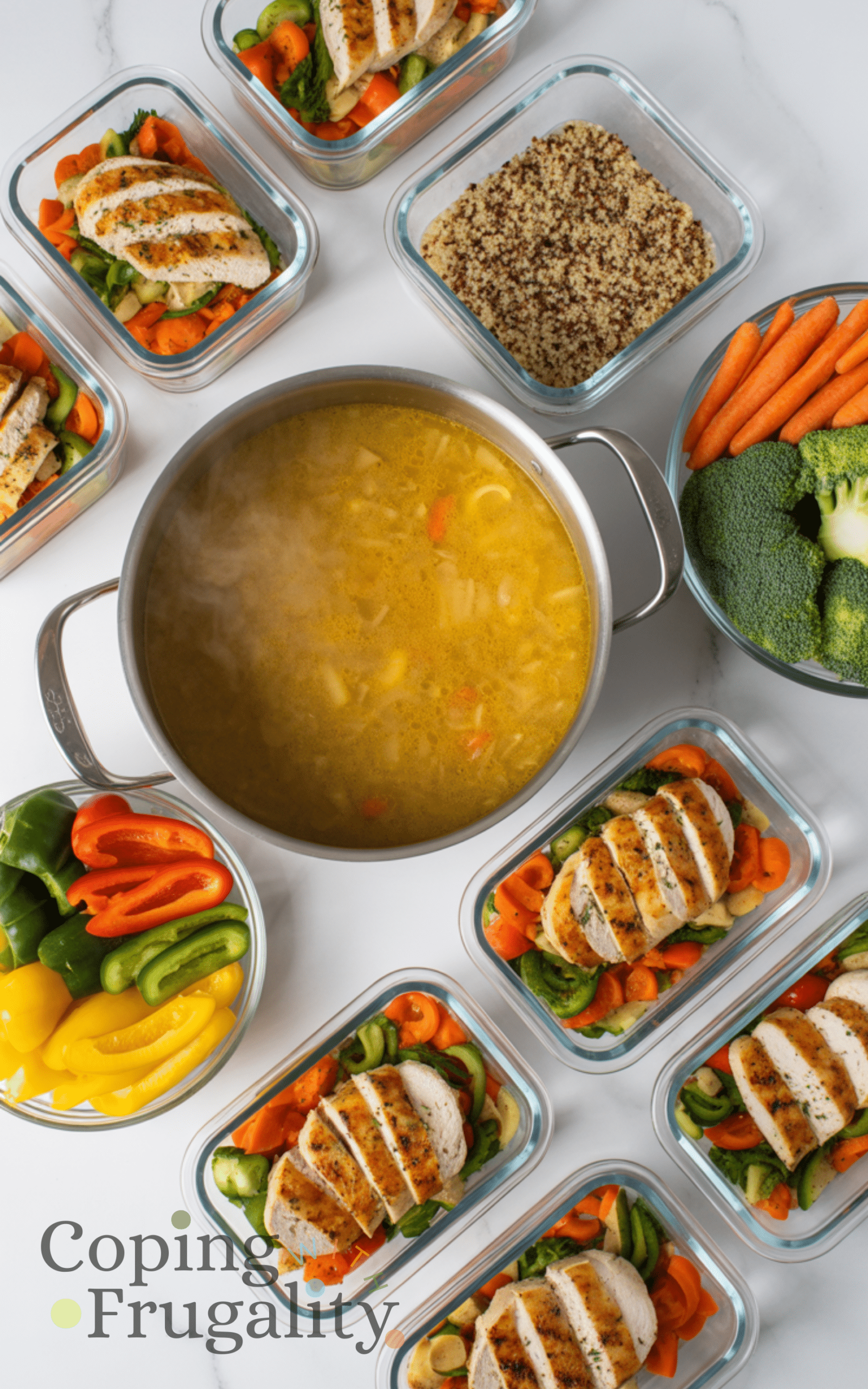
I use something called batch cooking. This means I cook a lot of food at one time, and then I eat it for several days. For example, on Sunday, I might make a big pot of chili. We eat it for dinner on Sunday, I pack it for my husband’s lunch on Monday and Tuesday, and we might eat it again for dinner on Wednesday. That’s one cooking session for four meals!
I also cook double portions. When I make spaghetti sauce, I make twice as much as I need. I freeze half of it. Then, two weeks later, I take it out of the freezer, and I have dinner ready in the time it takes to boil pasta! This saves me so much time and energy.
Slow cookers are my best friend. I put ingredients in the slow cooker in the morning, and when I come home from work, dinner is ready! I make soups, stews, whole chickens, and pot roast in my slow cooker. It’s easy, and the food always tastes delicious.
I prep ingredients ahead of time. On the weekend, I wash and cut all my vegetables for the week. I put them in containers in my fridge. Then, when it’s time to cook, everything is ready to go. This makes cooking so much faster!
My Tips for Not Wasting Food?
Food waste is the enemy of saving money! Every time I throw away food, I’m throwing away money. Here’s how I make sure I use everything I buy.
I use my freezer a lot. If I buy fresh meat and I’m not going to cook it in the next two days, I freeze it right away. If I have leftover bread, I freeze it. If I have too much milk, I freeze it (yes, you can freeze milk!). My freezer is like a pause button for food – it stops food from going bad.
I eat leftovers for lunch. I never throw away leftovers anymore. Whatever we don’t eat at dinner goes in a container, and that’s someone’s lunch the next day. This saves me from having to make lunch, and it saves me from wasting food. It’s a double win!
I make “everything soup” at the end of the week. If I have little bits of vegetables, meat, or rice left over, I throw them all in a pot with some broth and make soup. Every vegetable tastes good in soup! This uses up all the little bits of food that might otherwise go bad.
I check my fridge every few days. I look for food that needs to be eaten soon. If I see bananas getting brown, I make banana bread. If I see vegetables getting soft, I make stir-fry or soup. I don’t let food hide in the back of my fridge and go bad.
How I Make It Work for My Family
My kids don’t always want to eat what I plan. I learned to make the meal plan with them. I ask them what they want to eat this month, and I write down their ideas. They feel happy because they get to choose, and I feel happy because they’re more likely to eat what I make.
I keep some easy backup meals ready. Sometimes I’m too tired to cook, or plans change. I always have pasta and jar sauce, frozen pizza, or eggs and toast ready for those days. This stops me from ordering expensive takeout food when I’m too tired to cook my planned meal.
I’m flexible with my plan. If I planned to make chicken on Tuesday but I’m too tired, I switch it with Wednesday’s easier meal. The plan is there to help me, not to stress me out. As long as I’m eating the food I bought, I’m staying on budget.
I involve my family in cooking. My kids help me make dinner sometimes. Even little kids can pour ingredients, stir, or set the table. When they help cook, they’re more excited to eat the food. Plus, I’m teaching them skills they’ll use when they grow up!
My Monthly Meal Planning Process?
Let me walk you through exactly how I plan meals for a whole month. First, I sit down with my calendar and mark any special days. Is someone’s birthday coming up? Is there a holiday? I plan special meals for those days first.
Then I think about my schedule. I work late on Tuesdays, so Tuesday is always a slow-cooker day or a very easy meal like sandwiches. On weekends, I have more time, so I can make harder recipes or batch cook for the week ahead.
I fill in all the breakfasts first. I keep breakfast super simple – the same few things rotating. Monday, Wednesday, and Friday might be oatmeal. Tuesday and Thursday might be eggs and toast. Weekends might be pancakes or scrambled eggs with extra time. Simple is best!
Next, I plan lunches. For my kids’ school lunches, I rotate between sandwiches, leftovers, and simple things like cheese and crackers with fruit. For my lunch and my husband’s lunch, we eat leftovers from dinner most days. This makes lunch planning so easy!
Finally, I plan dinners. This is the most important meal to plan. I make sure I have variety – not pasta every single day! I might do pasta on Monday, chicken and rice on Tuesday, tacos on Wednesday, soup on Thursday, and stir-fry on Friday. Then I repeat similar meals the next week.
I write everything down where I can see it. My meal plan lives on my fridge, so everyone in my family knows what we’re eating. No more “What’s for dinner?” questions! Everyone can just look at the calendar.
FAQ
What if I don’t know how to cook many things?
Don’t worry! I didn’t know how to cook much either when I started. You only need to know how to make about five simple meals to start meal planning. Pick the easiest things you know – maybe that’s scrambled eggs, boiled pasta with jar sauce, rice with frozen vegetables, sandwiches, and soup from a can. Start with what you know and keep it simple. You can learn new recipes slowly, one at a time. The internet and library have free recipes that show you step-by-step how to make anything!
What if my family doesn’t like the same foods?
This happens in my house too! My daughter hates beans, but my son loves them. Here’s what I do – I make one main meal, but I keep it flexible. If I’m making tacos, I put out all the ingredients separately. She can make her taco without beans, and he can load his up with beans. If I’m making stir-fry and someone hates broccoli, they can pick it out or I give them extra of the parts they like. I don’t make separate meals for everyone because that’s too much work and too expensive!
How much money will I save with meal planning?
Everyone saves different amounts, but I save about 200 dollars every month! I used to spend about 600 dollars on food and kept throwing food away. Now I spend about 400 dollars, and we eat better food! The savings come from not wasting food, not buying random things at the store, and buying ingredients when they’re on sale. Even if you only save 50 dollars a month, that’s 600 dollars a year – enough for a nice vacation!
What if I get bored eating the same things?
I change my meal rotation every few months to keep things interesting. In summer, I might make lots of salads and grilled food. In winter, I make more soups and warm comfort foods. I also try one new recipe each month – just one! This keeps things exciting without overwhelming me. Remember, it’s okay to eat the same favorite foods regularly. You probably already eat the same breakfast or lunch often without getting bored!
Do I have to plan every single meal?
No! I plan dinners for the whole month because that’s the meal that costs the most money and takes the most time. For breakfast and lunch, I keep it super simple and kind of the same most days. Some people only plan dinners three or four nights a week and leave other nights flexible for leftovers or easy meals. Start small – even planning just ten dinners for the month will save you money and stress!
What if something goes wrong with my plan?
Plans change, and that’s okay! Maybe I got sick and couldn’t cook, or we got invited to eat dinner at a friend’s house, or the chicken I planned to cook went bad. When this happens, I don’t give up on my whole plan. I just move meals around. If I didn’t cook Monday’s meal, I would cook it on Tuesday instead. Or if food went bad, I make one of my backup easy meals and adjust my shopping list for next month. The plan is there to help you, not to make you feel bad if things don’t go perfectly!