
Everything can be done with budget
Easy Ways to Make a Small Home Feel Bigger on a Budget

I love finding ways to Make a Small Home Feel Bigger, and one of my favorite tips is keeping the floors clear. I’ve noticed that clutter or too much furniture can make even a decent-sized room feel cramped, so I try to make every inch useful. Hooks behind cabinet doors, spice rack-style shelves behind bedroom doors, and other clever storage ideas help a lot. I even hang my curtains high and put pictures or art up near the ceiling—it’s amazing how much taller and airier a room feels!
Another trick I use to Make a Small Home Feel Bigger is choosing furniture that sits on legs so you can see underneath. Beds, sofas, and tables with space below create a sense of openness. I also like barn doors that slide instead of swing—they save space and reduce visual clutter, which instantly makes the room feel larger. Mirrors, light-colored walls, and plenty of natural light from windows all add to the effect.
What really works for me when I try to Make a Small Home Feel Bigger is thinking about layout before size. Even in a compact apartment, arranging seating and storage strategically makes the space feel functional and inviting. I try to keep multipurpose items, like a cozy rug that also defines a living area or a lamp that adds both light and atmosphere, to enhance the sense of space. And of course, I’ve borrowed a few ideas from Affordable Cozy Home—like using light, airy decor—to keep my small space feeling both big and welcoming.
Why you need to choose the idea of Make a Small Home Feel Bigger
Creating the illusion of space in a small home can completely transform how comfortable and inviting it feels. Choosing to focus on ways to make a small home feel bigger helps you maximize every square foot, improve functionality, and create a sense of openness that makes daily living more enjoyable. Small changes in layout, lighting, and décor can have a surprisingly big impact on the overall feel of your home.
Some helpful tips to consider
Simple strategies like using mirrors to reflect light, opting for multi-functional furniture, and keeping color palettes light and cohesive can dramatically enhance the sense of space. Paying attention to vertical storage, minimizing clutter, and letting natural light flow freely will make your rooms feel larger without the need for a costly renovation. These practical tips allow you to enjoy a more open and airy home environment.
17. Use Light Colors on Walls and Ceilings
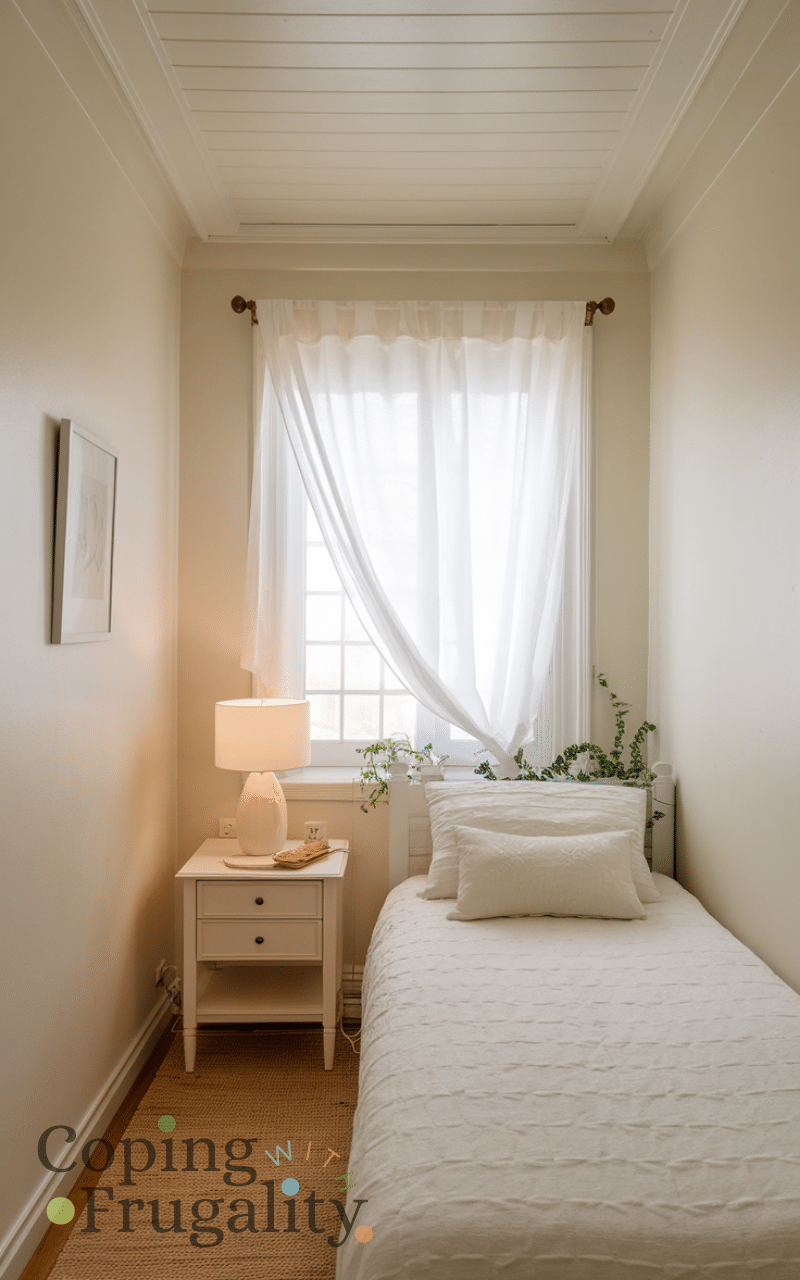
Light colors can instantly make a space feel larger and more open. Soft whites, creams, pastels, or light earth tones reflect natural light, creating the illusion of a bigger room. By painting your walls and ceilings in these shades, you can make your small home feel bigger on a budget without expensive renovations. Pair these colors with light-colored furniture or curtains to enhance the effect even more, giving your rooms a bright, airy, and welcoming vibe.
I’ve noticed that painting my walls in soft whites or pastels instantly makes my small apartment feel airy and fresh. I usually spend $20–$60 for a small room if I do it myself, which is far cheaper than remodeling. My tip is to focus on walls and ceilings at the same time—it doubles the effect without doubling the cost. I highly recommend sticking to a light palette for furniture and curtains too; it really amplifies the space. A mistake I see often is using too many contrasting colors, which breaks up the room and makes it feel smaller.
16. Add Mirrors Strategically
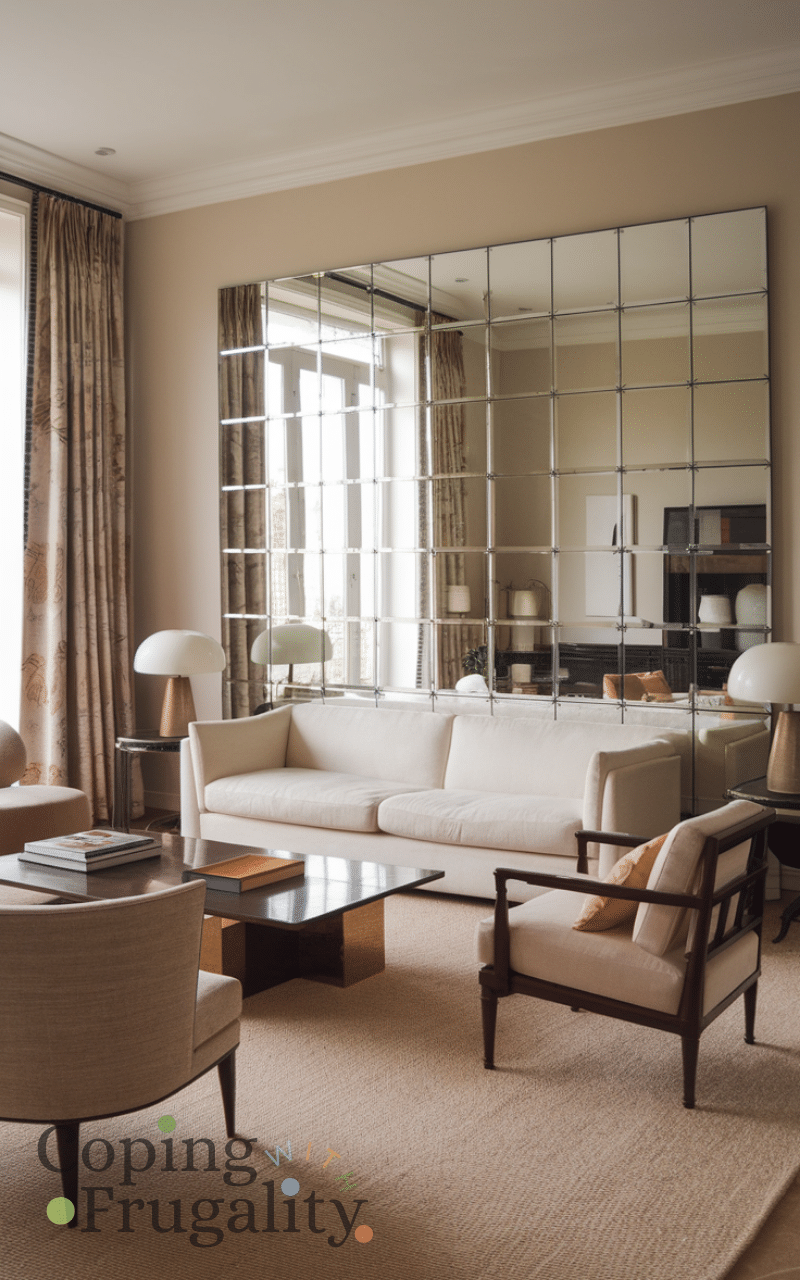
Mirrors are a powerful trick to make a small home feel bigger on a budget. Placing mirrors across from windows or in narrow hallways reflects light and creates depth, doubling the visual space. You don’t need large, fancy mirrors; thrifted or DIY-framed mirrors work perfectly. A mirrored wall or even a cluster of smaller mirrors can give your rooms a sense of openness while adding a stylish touch that enhances your decor.
Mirrors are my secret weapon for opening up rooms. I usually spend $10–$40 on thrifted or DIY-framed mirrors. I love placing them across from windows—it’s amazing how much more light bounces around. My recommendation is to use clusters of smaller mirrors if a large one isn’t practical; it feels intentional and stylish. A common misstep is hanging a mirror too high or low; the placement really makes the difference in creating depth.
15. Opt for Multi-Functional Furniture
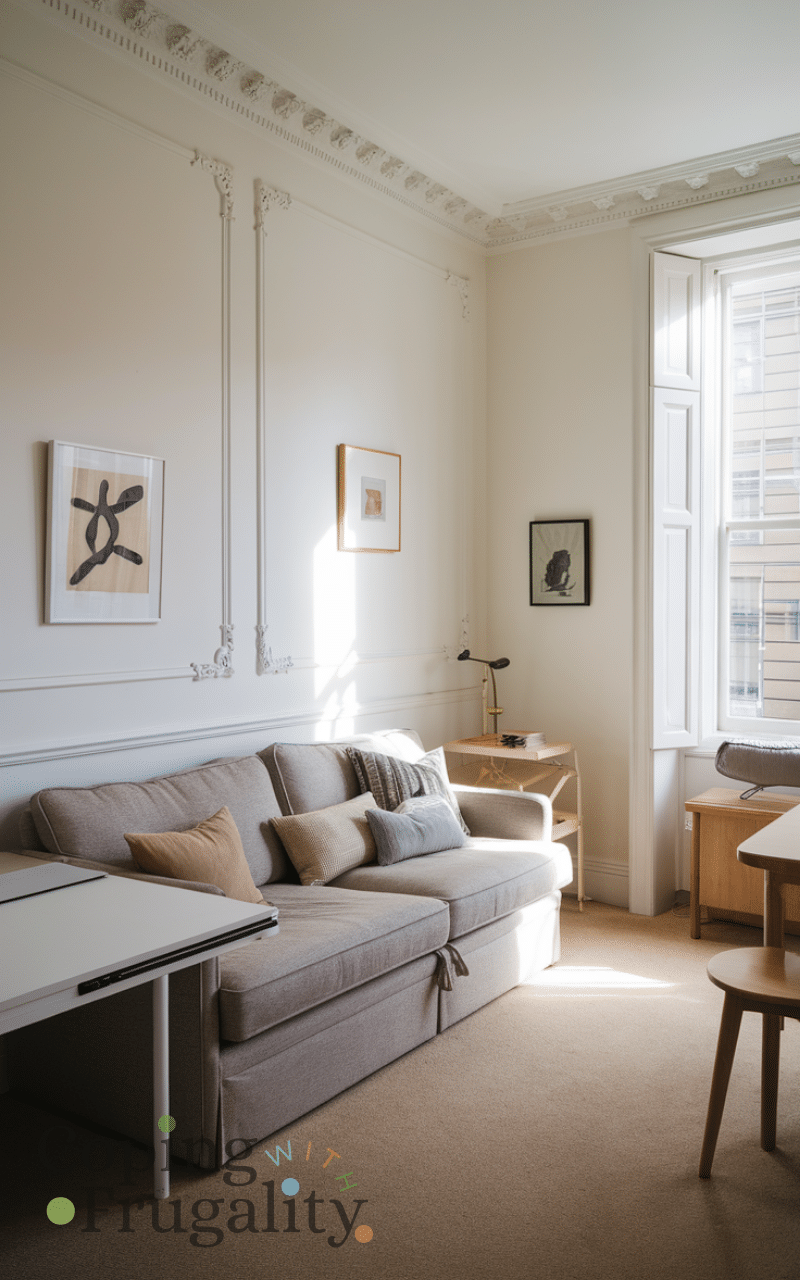
Choosing furniture that serves more than one purpose helps make a small home feel bigger on a budget. Sofas with hidden storage, fold-out beds, or tables that extend when needed save space and reduce clutter. By minimizing extra pieces, you allow more room for movement, making your home feel spacious. Look for affordable second-hand options or simple DIY hacks to create multifunctional furniture that fits your style and keeps your home organized and airy.
I can’t live without multifunctional furniture in a small space—it’s a game-changer. I usually spend $50–$150 for second-hand or DIY options like fold-out beds or storage sofas. My tip is to prioritize items that truly serve two purposes, like an ottoman that hides blankets. I recommend investing in quality pieces rather than buying cheap furniture that won’t last. Many people make the mistake of choosing multi-purpose pieces that are clunky—they can actually make the room feel more cramped.
14. Declutter and Keep Surfaces Clear
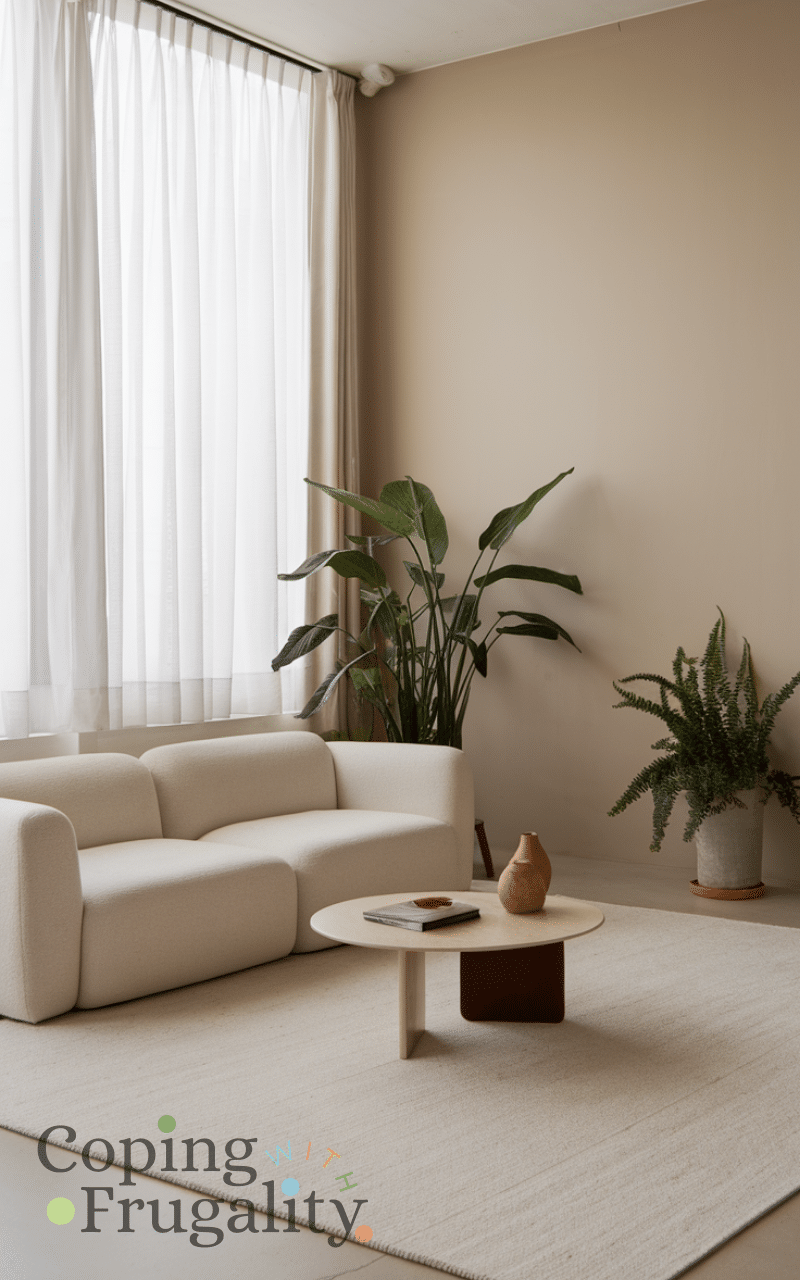
A tidy home always feels bigger. Removing unnecessary items and keeping surfaces clear allows rooms to breathe and instantly makes your small home feel bigger on a budget. Donate or repurpose things you don’t need and use storage baskets or boxes to keep essentials organized. Minimalist décor not only improves your space visually but also creates a calming environment, making your home feel open, light, and welcoming without spending much money.
Nothing makes a space feel bigger than keeping surfaces clear. I spend almost nothing here, just a few dollars on baskets or storage boxes. My money-saving tip is to rotate items in and out of display rather than buying new storage. I highly recommend maintaining this habit consistently—clutter creeps up fast. A common mistake is only tidying once; staying proactive keeps your home feeling open and light.
13. Use Vertical Storage
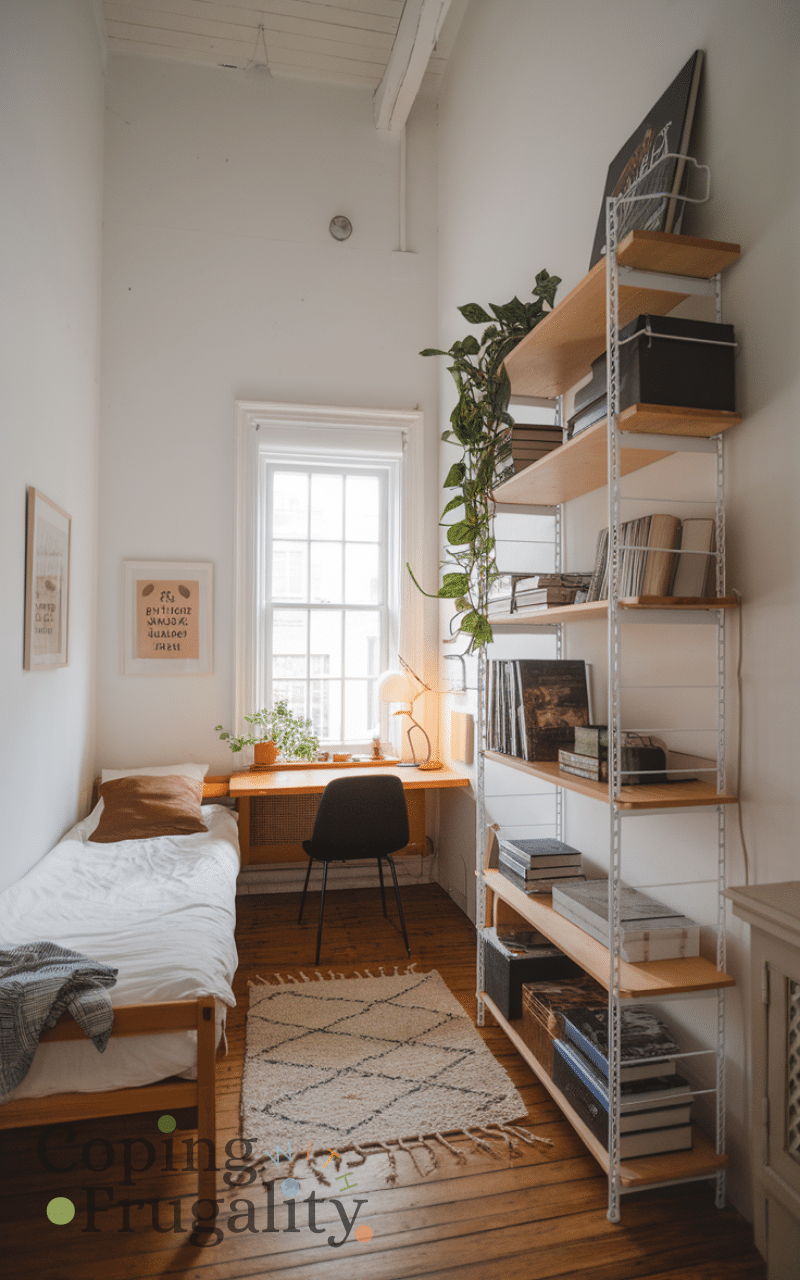
When floor space is limited, vertical storage is key to making a small home feel bigger on a budget. Install shelves, hooks, or tall cabinets to utilize wall space effectively. This keeps clutter off the floor and maximizes usable space. Open shelving can even double as decoration for displaying books, plants, or ornaments. Vertical storage keeps your small home organized while adding a stylish and functional element to your décor.
Vertical storage has completely changed how I use my small apartment. I usually spend $15–$50 on shelves, hooks, or tall cabinets. My tip is to think about decorative storage too—books and plants can double as décor. I recommend open shelving rather than closed cabinets for a feeling of spaciousness. A mistake I see often is piling things high without style; it can feel chaotic instead of organized.
12. Maximize Natural Light
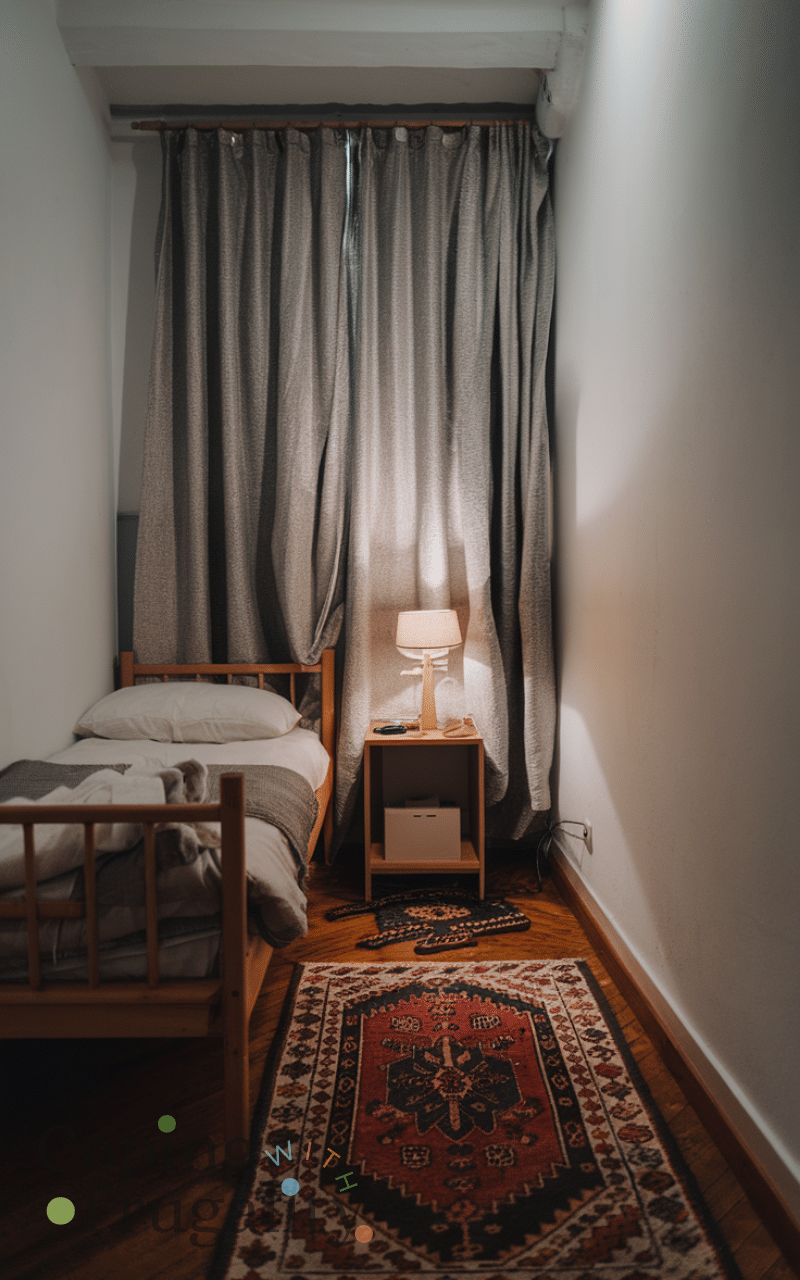
Letting in more natural light is one of the easiest ways to make a small home feel bigger on a budget. Remove heavy curtains, use light fabrics, and keep windows clean to brighten up rooms. Mirrors and reflective surfaces can amplify sunlight, making your home feel more spacious. Natural light not only opens up your space visually but also boosts mood, giving your home a fresh, airy, and welcoming atmosphere without spending a fortune.
I try to let sunlight flood my rooms—it’s the simplest, cheapest way to feel spacious. Costs are basically zero if you just remove heavy curtains and clean windows. My tip is to pair natural light with mirrors to bounce light deeper into rooms. I personally recommend keeping window areas minimal and tidy. A mistake many make is blocking windows with furniture—don’t do that, it instantly shrinks your space.
11. Choose Furniture with Legs
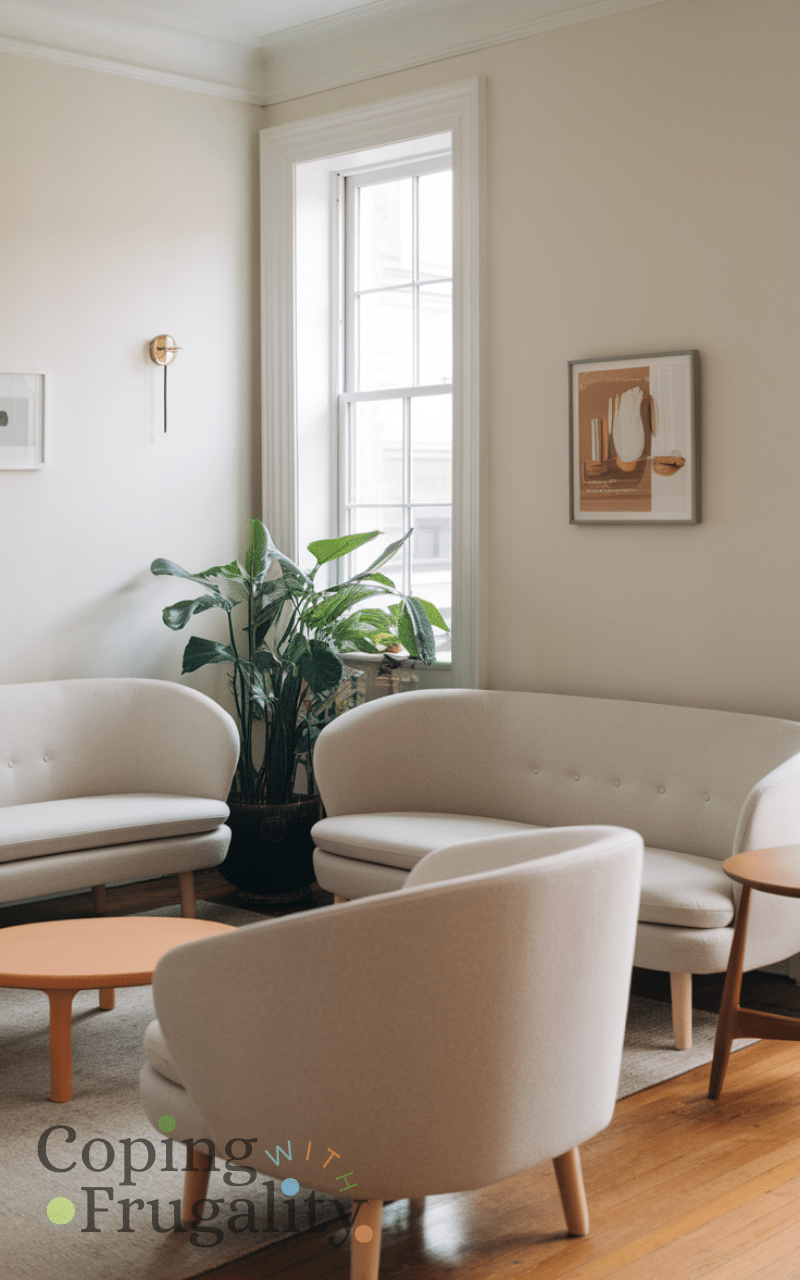
Furniture with visible legs creates an open feel that helps make a small home feel bigger on a budget. Low-profile sofas, chairs, and tables that lift off the floor give the illusion of more space, making rooms look less cramped. Avoid bulky, boxy pieces that block your sightlines. Combining this with light-colored fabrics enhances the airy feel, making your small home both stylish and spacious without any costly remodeling.
I’ve found that sofas, chairs, and tables with legs make the room feel open underfoot. I usually spend $50–$150 depending on whether I buy second-hand or DIY. My money-saving tip: check thrift stores for leggy pieces that just need new upholstery. I recommend avoiding bulky, boxy furniture—it instantly weighs down a room. People often ignore this and choose furniture solely for looks, which kills the airy effect.
10. Keep Window Treatments Minimal
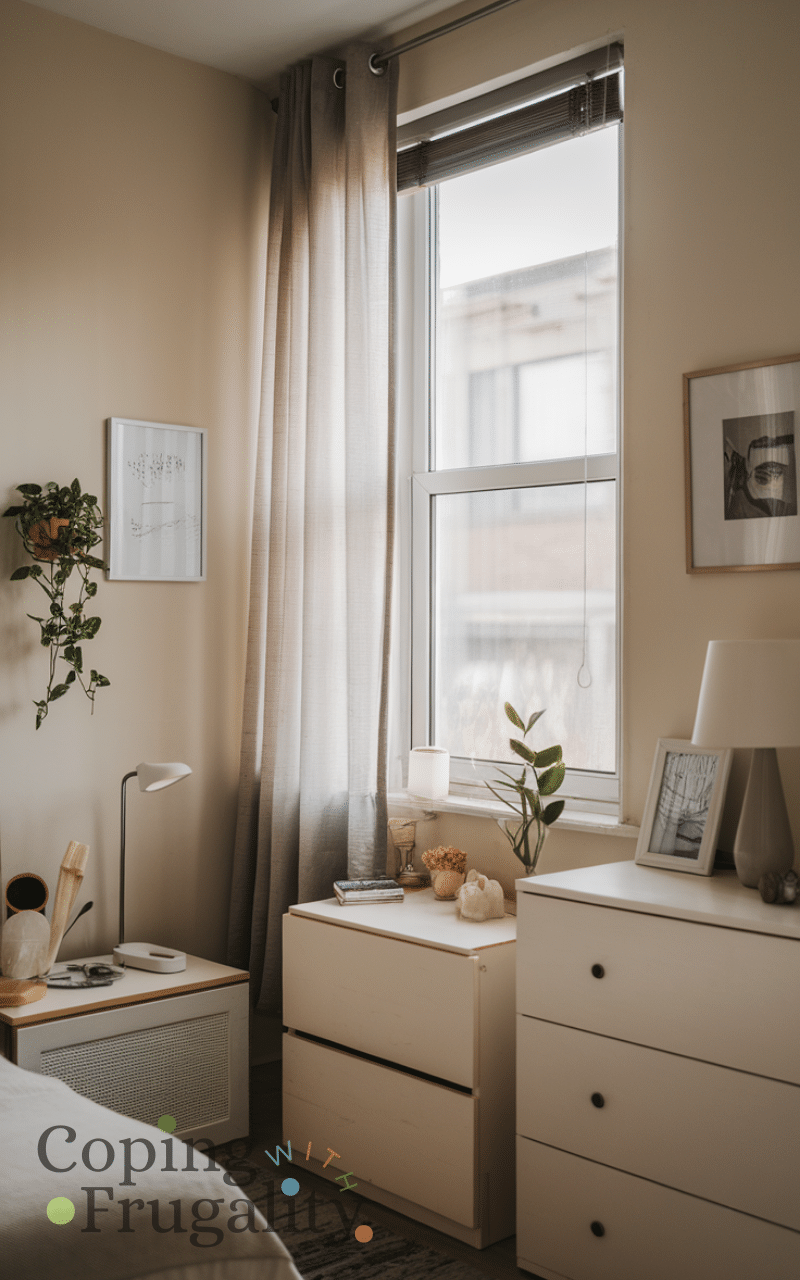
Heavy drapes can make rooms feel closed in. Using minimal window treatments like sheer curtains or simple blinds can help make a small home feel bigger on a budget. Light fabrics let sunlight in while maintaining privacy. Hanging curtains higher than the window frame also gives the illusion of taller ceilings. This inexpensive trick brightens rooms, opens up the space, and creates a fresh, inviting look that enhances your small home effortlessly.
Sheer curtains or simple blinds have changed the way my small rooms feel. I usually spend $10–$40 on light fabrics. My tip is to hang curtains high—it instantly gives the illusion of taller ceilings. I highly recommend avoiding heavy patterns that dominate the window. A common mistake is letting curtain rods sag or using opaque drapes; it counteracts all your effort to open the space.
9. Use Rugs to Define Spaces
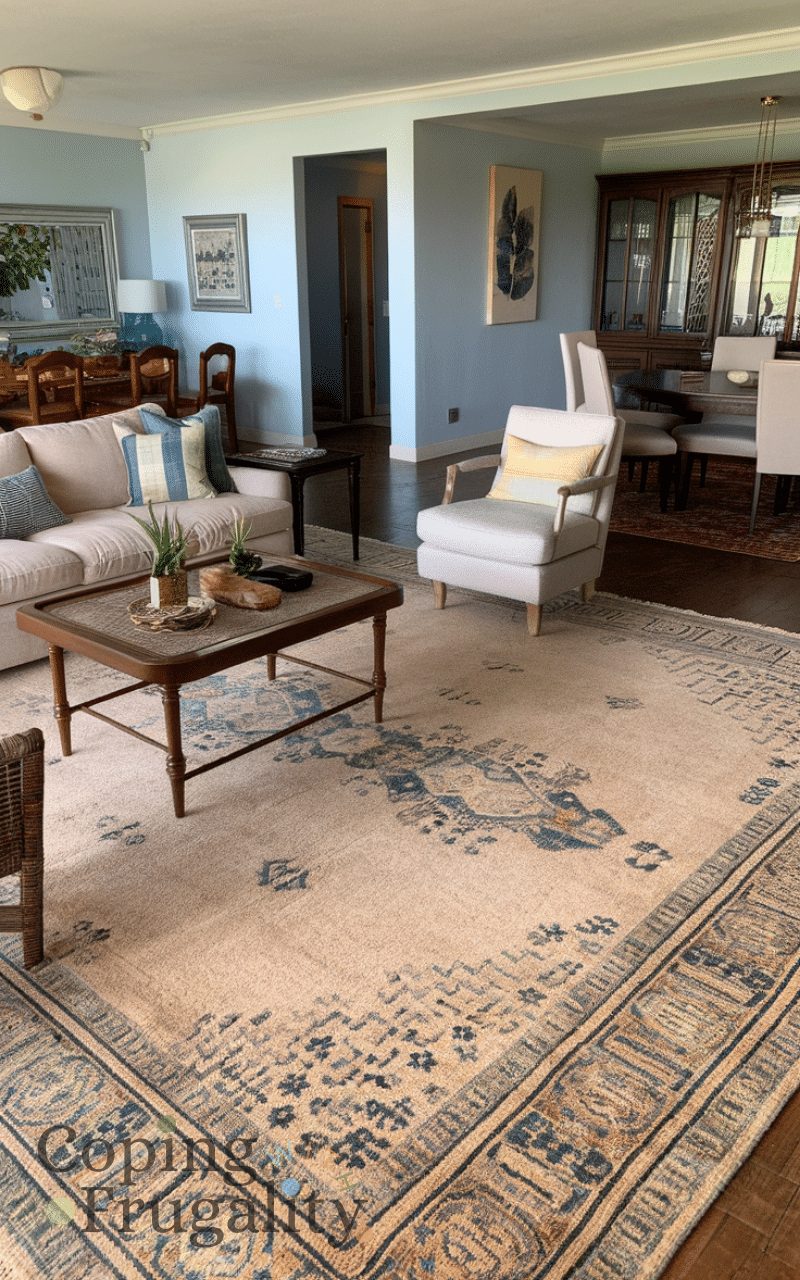
Rugs are an affordable way to make a small home feel bigger on a budget by visually separating areas without walls. In an open-plan layout, rugs can define living, dining, or workspaces, creating a sense of order and structure. Choose light colors or subtle patterns to avoid overwhelming the room. Layering rugs or using runners in narrow spaces guides the eye naturally, making your home feel more expansive and stylish without spending too much money.
I love using rugs to create distinct areas without adding walls. I usually spend $15–$60 on thrifted or small rugs. My tip is to layer smaller rugs over larger neutrals—it adds depth without feeling busy. I recommend keeping patterns subtle so the space feels cohesive. A mistake people make is picking rugs too small; they need to be scaled for the area to make a real impact.
8. Hang Art Higher
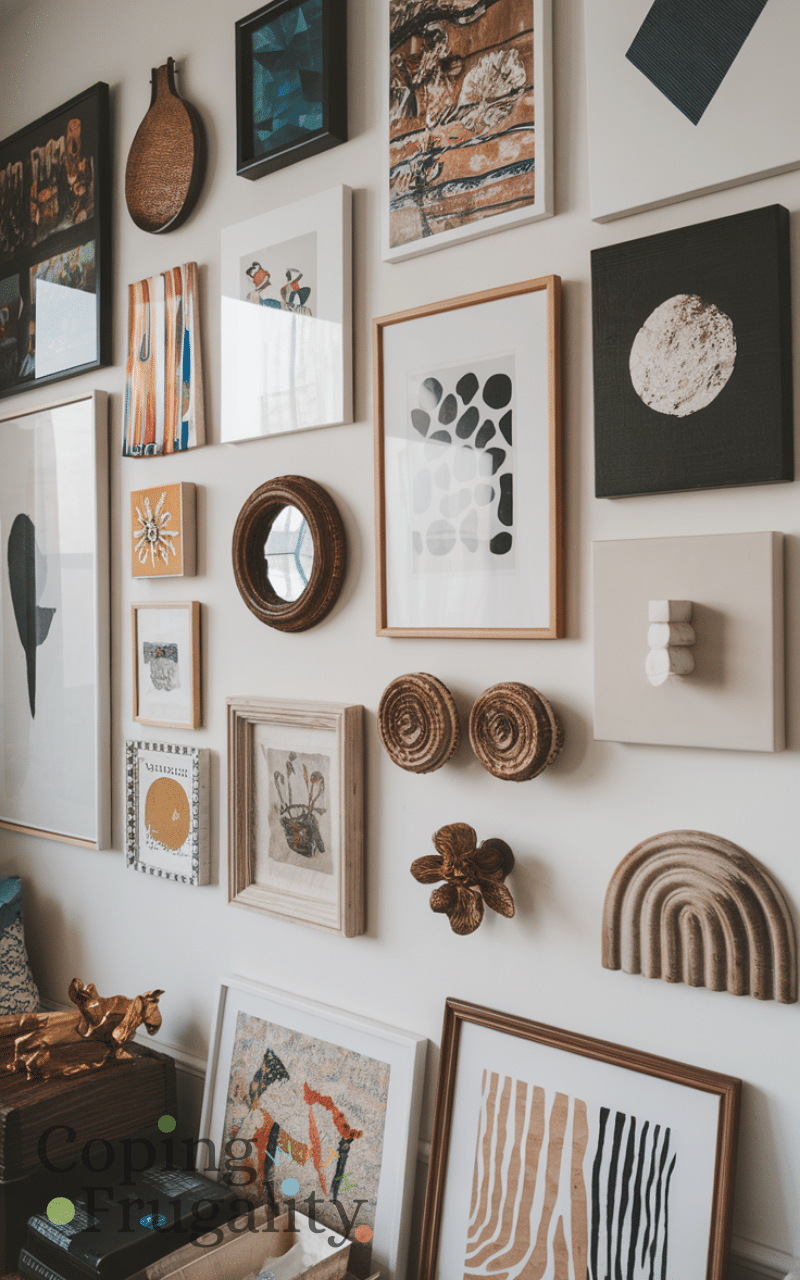
Placing artwork or décor slightly above eye level can make walls feel taller, helping make a small home feel bigger on a budget. This simple visual trick draws attention upward, creating the illusion of height. Choose lightweight frames or DIY pieces to keep costs down. Grouping smaller pieces in a gallery wall formation also adds personality without crowding surfaces, giving your home a chic, spacious feel on a tight budget.
I started hanging artwork closer to the ceiling, and it’s such a simple trick that really works. My budget is $0–$25 for DIY or thrifted frames. My tip is to group smaller pieces into a gallery wall to maximize the height illusion. I recommend lightweight frames for easy rearranging. Many people hang art at eye level only, which visually shortens walls in small rooms.
7. Keep Furniture Scaled Appropriately
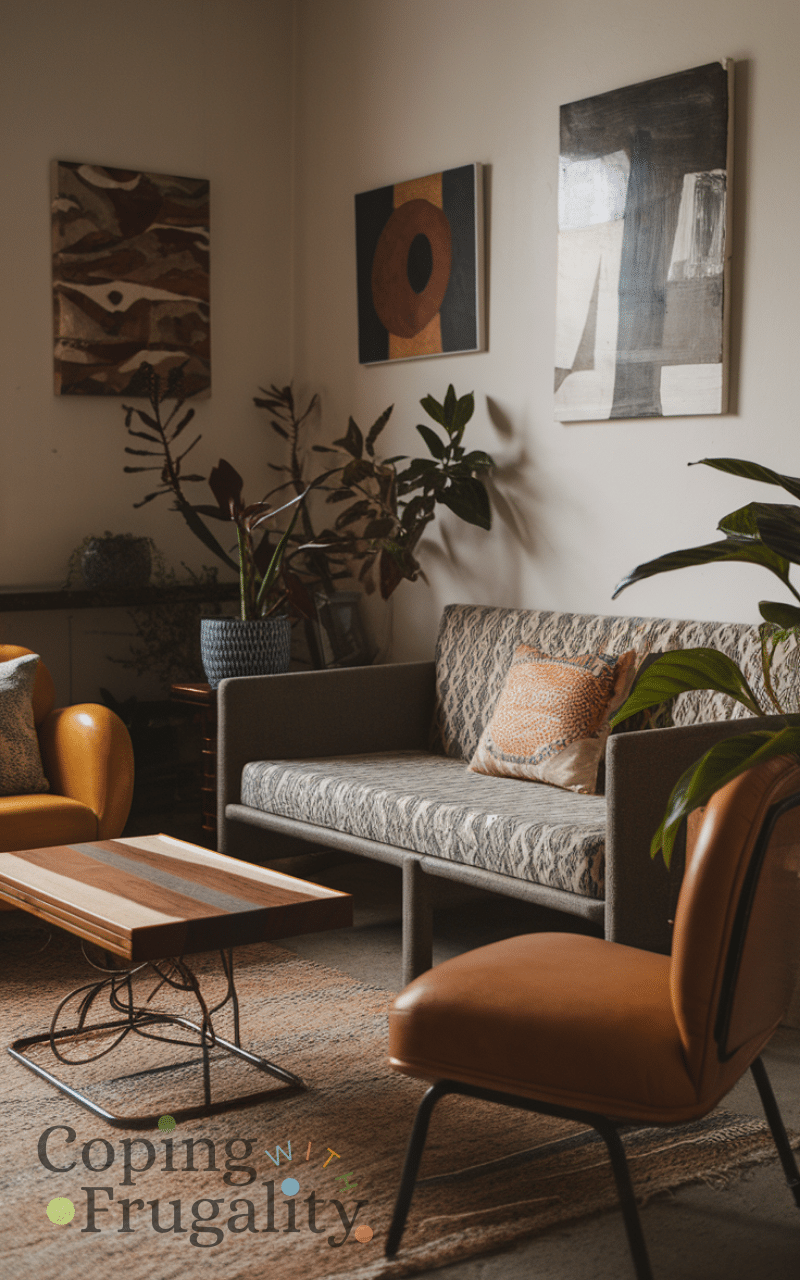
Oversized furniture can overwhelm small spaces. Choosing pieces that are scaled to your room helps make a small home feel bigger on a budget. Opt for narrow, low-profile sofas, compact tables, and smaller chairs that fit comfortably without cluttering the space. This careful selection makes your home feel organized and airy while maximizing functional space, ensuring that every piece of furniture contributes to an open, inviting environment.
Choosing smaller, low-profile furniture has saved me so much space. I usually spend $50–$150 depending on whether it’s second-hand. My tip is to measure carefully before buying so nothing overwhelms your room. I recommend compact pieces with clean lines—they make a huge difference visually. A mistake is picking oversized pieces “because they fit”; they can crush the openness of your space.
6. Open Up Entryways
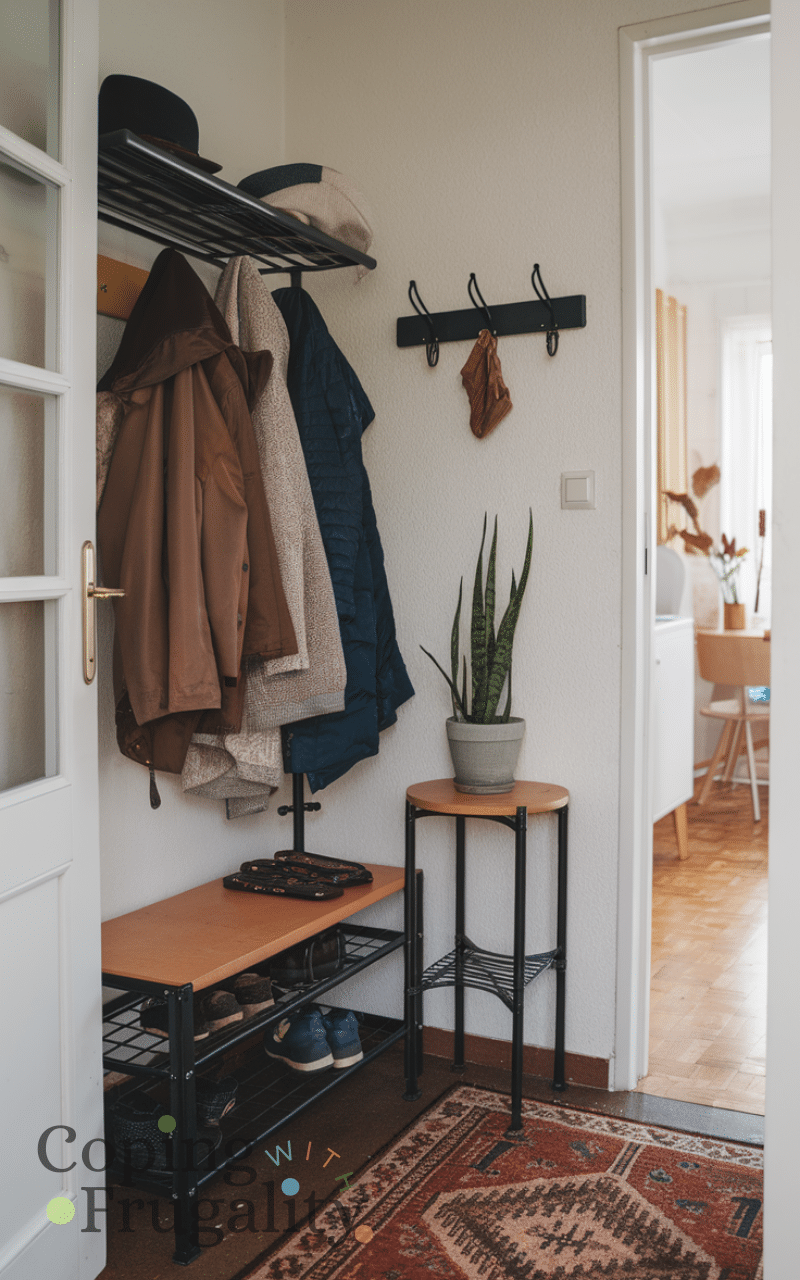
Open, uncluttered entryways create a sense of space and immediately make a small home feel bigger on a budget. Avoid blocking doors or hallways with furniture, and use hooks, wall shelves, or small storage units to keep essentials tidy. A clean, welcoming entryway sets the tone for the rest of your home, giving visitors—and yourself—the impression of a larger, brighter space without spending a lot.
I love keeping my entryway clear—it sets the tone for the whole apartment. I spend $0–$20 on hooks or a small shelf for essentials. My money-saving tip is to use wall-mounted storage to avoid floor clutter. I recommend a tidy, inviting entry even if it’s tiny—it makes the space feel bigger instantly. A common mistake is crowding this area with shoes or random items, which immediately shrinks the feel of the home.
5. Use Light, Neutral Fabrics
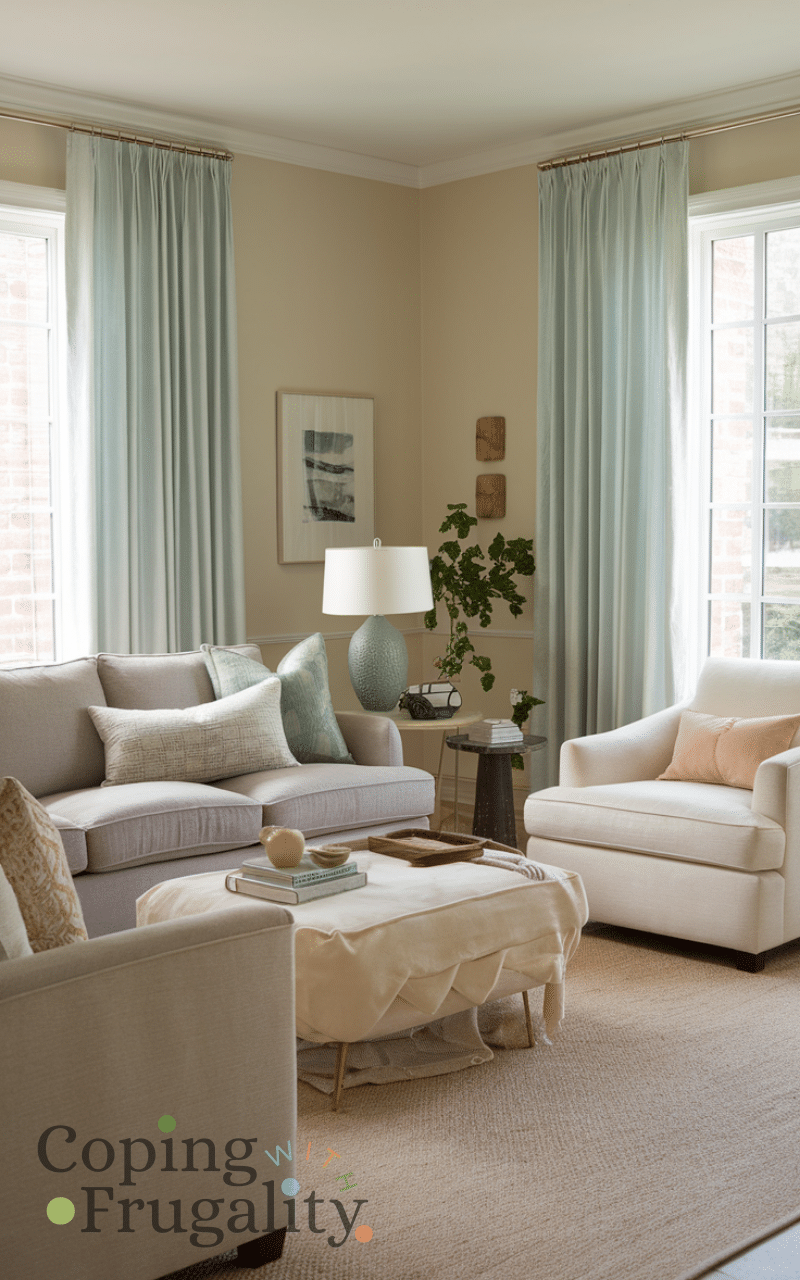
Furniture and décor fabrics in light, neutral shades help make a small home feel bigger on a budget. Beige, soft gray, cream, or light pastels brighten rooms and create a sense of continuity. Avoid dark, heavy fabrics that absorb light and make spaces feel cramped. Affordable slipcovers or DIY fabric updates can transform furniture quickly, enhancing both comfort and visual openness without a major investment.
Light-colored fabrics have completely brightened my living areas. I usually spend $20–$50 on slipcovers or DIY fabric updates. My tip is to choose washable fabrics—they’re practical and affordable. I recommend soft neutrals rather than trendy colors for long-term versatility. Many people make the mistake of sticking with dark, heavy fabrics, which instantly closes in a small space.
4. Create Clear Pathways
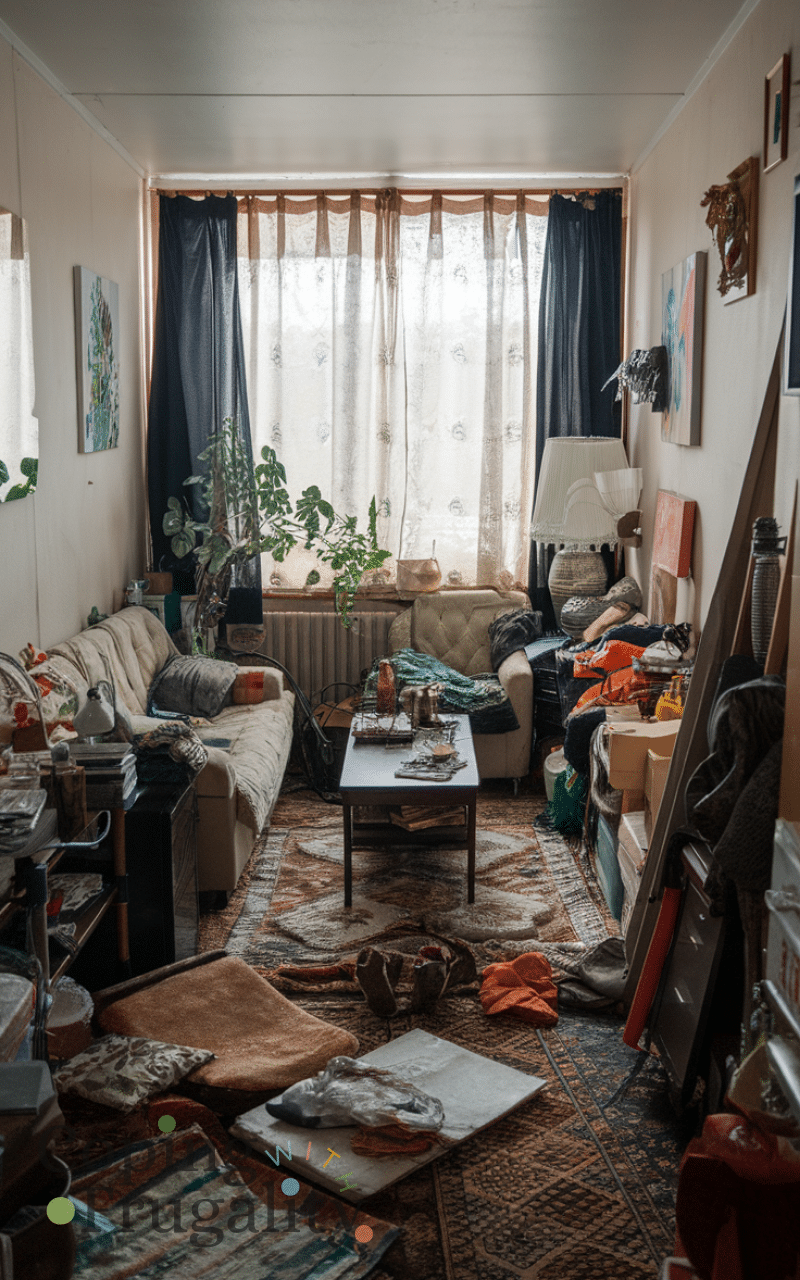
A cluttered floor can make even a large room feel small. Clear pathways and thoughtful furniture placement help make a small home feel bigger on a budget. Arrange seating and tables to allow free movement, and avoid overcrowding corners with unnecessary items. Even a small rearrangement can open up your space dramatically, giving your home a more functional and visually appealing layout.
I’ve learned that a simple rearrangement can make all the difference. My budget is basically $0—it’s all about moving furniture strategically. My tip is to leave a few feet of clear walking space between main furniture pieces. I recommend thinking of flow like a map; it helps your apartment feel bigger and more functional. A common mistake is cramming every corner with chairs or tables—don’t do it.
3. Layer Lighting
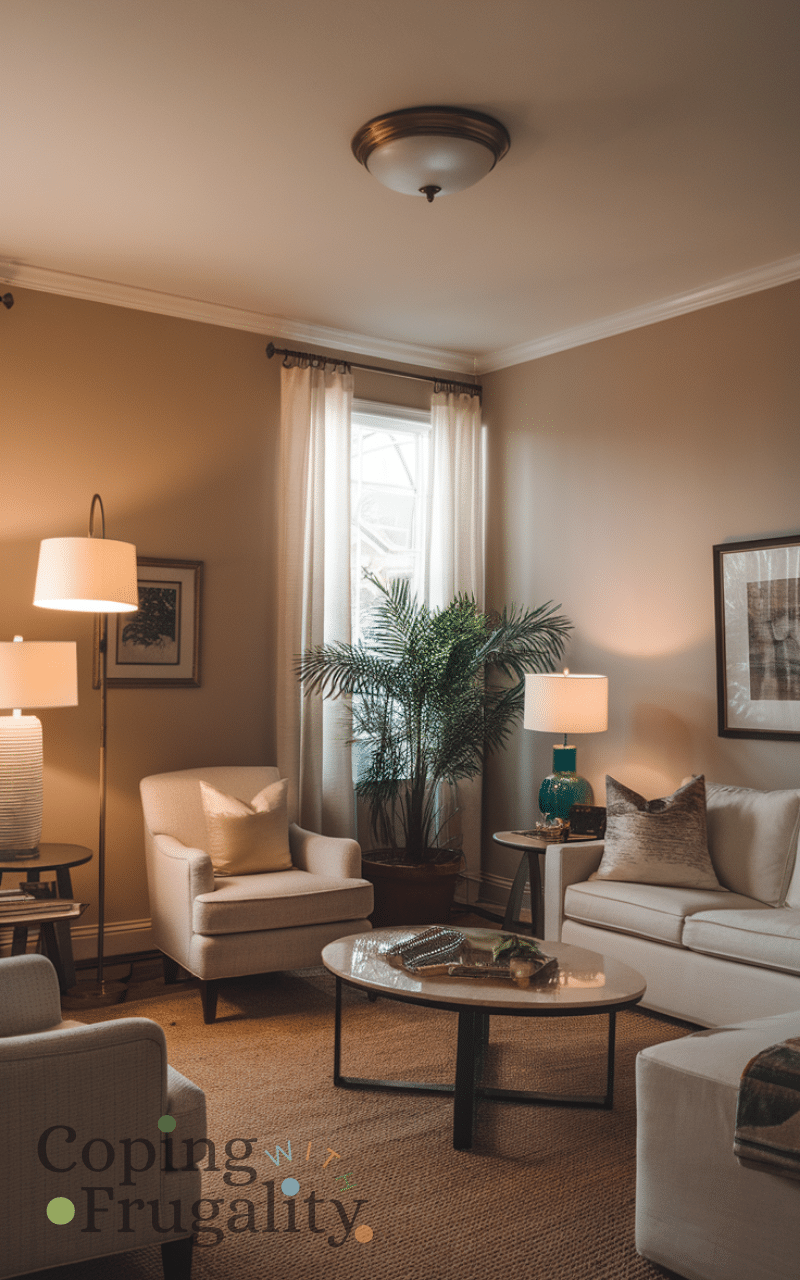
Proper lighting enhances depth and makes rooms feel bigger. Use a combination of ceiling lights, floor lamps, and table lamps to illuminate corners and highlight walls. Layered lighting helps make a small home feel bigger on a budget by reducing shadows and creating a warm, inviting ambiance. Affordable lighting options or DIY lampshades can dramatically improve both function and style without stretching your budget.
I’ve found that combining floor lamps, table lamps, and ceiling lights makes small rooms feel expansive. My budget is $20–$60 per layer if you DIY or thrift. My tip is to use warm bulbs to create depth and coziness simultaneously. I recommend layering rather than relying on one overhead light—it’s the secret to a spacious feel. People often neglect corner lighting, which leaves shadows that shrink the room visually.
2. Incorporate Transparent Furniture
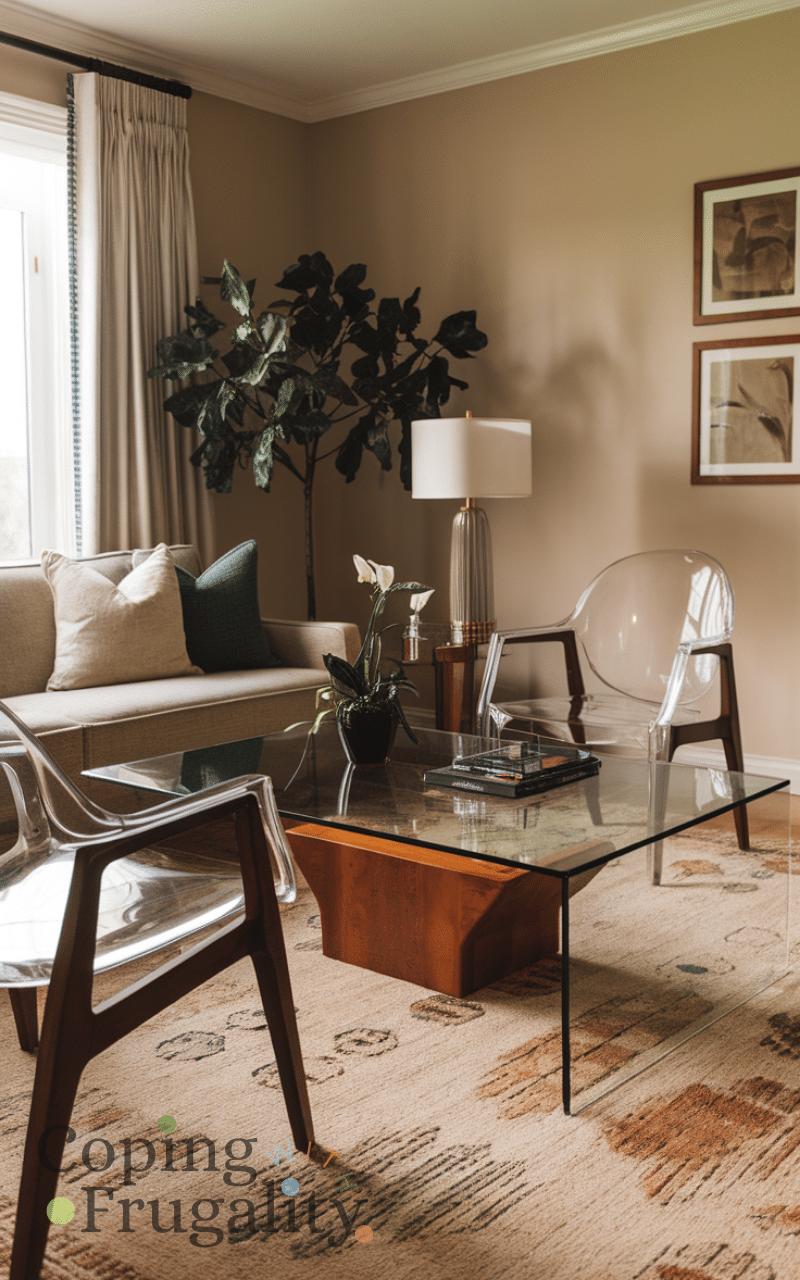
Glass or acrylic furniture creates the illusion of more space by allowing you to see through pieces. A clear coffee table or acrylic chairs help make a small home feel bigger on a budget by reducing visual clutter. These lightweight and often affordable pieces let light pass through while keeping your rooms functional and stylish, making them a perfect addition to any compact space.
A glass coffee table or acrylic chair completely opens up my rooms visually. I usually spend $50–$120 depending on size and material. My money-saving tip: look for second-hand acrylic pieces online—they’re often underpriced. I highly recommend clear furniture for smaller rooms; it’s a dramatic, low-cost trick. A common mistake is choosing too many transparent pieces—they work best sparingly to avoid a cold, sterile feel.
1. Add Greenery
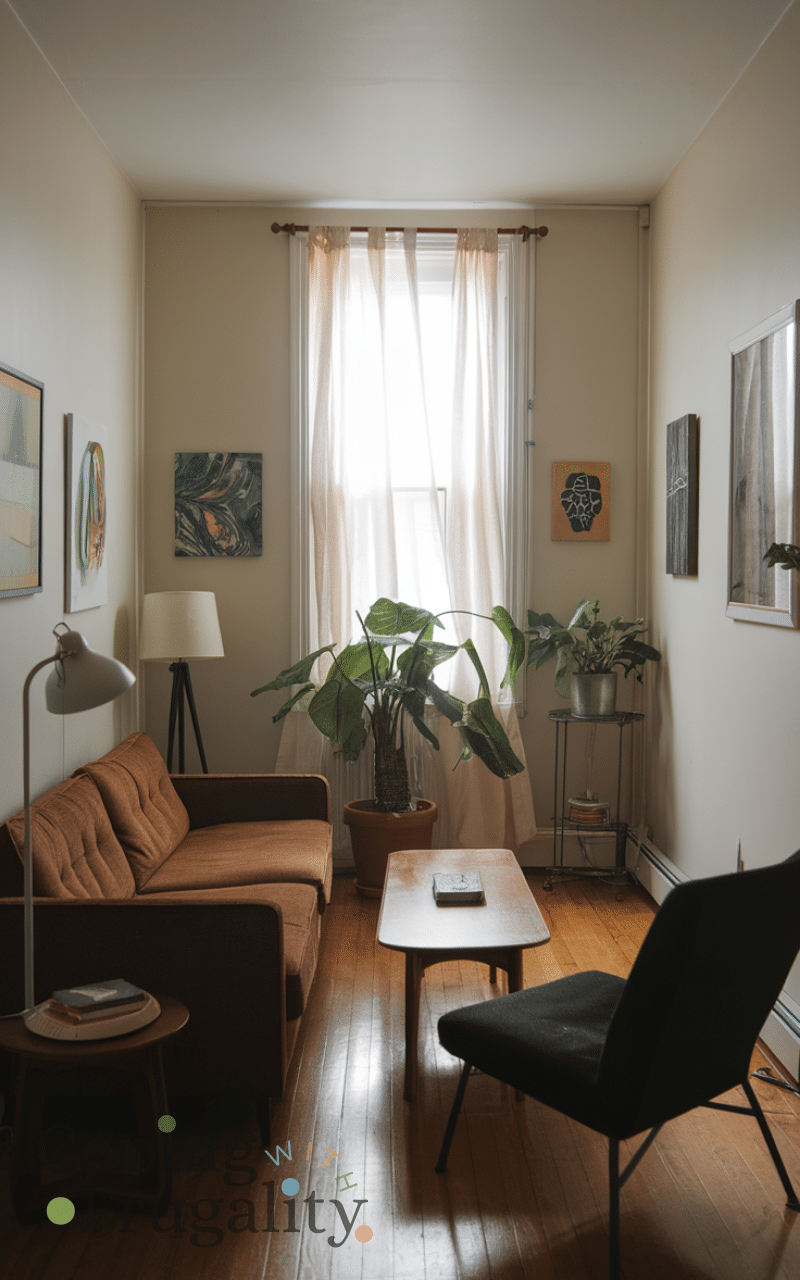
Plants bring life, color, and depth to any room, helping make a small home feel bigger on a budget. Tall plants in corners or hanging planters draw the eye upward, creating vertical interest. Low-maintenance or DIY propagated plants can be very inexpensive. Greenery not only freshens the air but also adds texture and vibrancy, making your home feel more spacious, lively, and inviting without spending much.
Plants are my favorite way to add life and vertical interest in small spaces. I usually spend $10–$40 per plant, but propagating from friends’ plants saves money. My tip is to use tall corner plants or hanging planters to draw the eye up. I personally recommend a mix of textures and heights to make the room feel dynamic. People often forget to care for plants consistently—neglected greenery can actually make a space feel messy rather than fresh.
Conclusion
Making a small home feel bigger on a budget is all about smart choices and simple tricks. From light colors and mirrors to multi-functional furniture and greenery, these affordable ideas can transform your space. Start applying them today to create a brighter, more open, and welcoming home. Don’t forget to subscribe to our blog for more tips and budget-friendly decorating ideas that will make your home feel stylish and spacious!

[…] you’ve tried ways to make a small home feel bigger, you know how much of a difference layout, furniture choice, and clear surfaces can make. Adding […]
[…] finishing with black hardware gave the room a crisp, intentional feel, similar to how thoughtful bedroom floor mirror placement can visually expand a space without adding […]