
Everything can be done with budget
Best Spring Transition Decor Ideas on a Budget: Easy, Fresh, and Stylish Updates

I love how Spring Transition Decor gives me the perfect excuse to refresh my home after the long, cozy winter months. I like to bring in soft textures, pops of color, and light, airy details that make my space feel lively and inviting. Even small touches, like swapping pillows or adding a seasonal rug, completely change the vibe without overwhelming the room.
When I look back at my warm beige home decor, I realize I don’t have to start over to embrace Spring Transition Decor. I keep the warmth and comfort I already love while layering in new accents, soft colors, and a few seasonal decorations. It makes the transition feel natural and effortless, and my home still feels like me.
For me, Spring Transition Decor isn’t just about aesthetics—it’s about how my space feels. I add greenery, lightweight throws, and little decorative touches that make each corner cheerful and functional. With Spring Transition Decor, I can enjoy a home that’s bright, cozy, and perfectly in tune with the season.
Why you need to choose these Spring Transition Decor Ideas
Spring Transition Decor is all about bridging the gap between the cozy warmth of winter and the fresh vibrancy of spring. Choosing this concept allows you to refresh your home without a complete overhaul, creating a space that feels lighter, brighter, and more welcoming as the seasons change. It’s a chance to bring in soft textures, pastel accents, and natural elements that signal renewal, helping both your living space and your mood embrace the energy of spring.
Some helpful tips to consider
When planning Spring Transition Decor, focus on small but impactful changes. Swap out heavy throws for lighter fabrics, introduce fresh greenery or floral arrangements, and rotate darker winter colors for softer, airy tones. Layering pieces like cushions, rugs, and decorative accessories in transitional colors can make the shift feel natural and cohesive. Remember, the key is balance: combine the comfort of winter with the freshness of spring to create a seamless seasonal flow.
14. Swap Dark Textiles for Lighter Ones
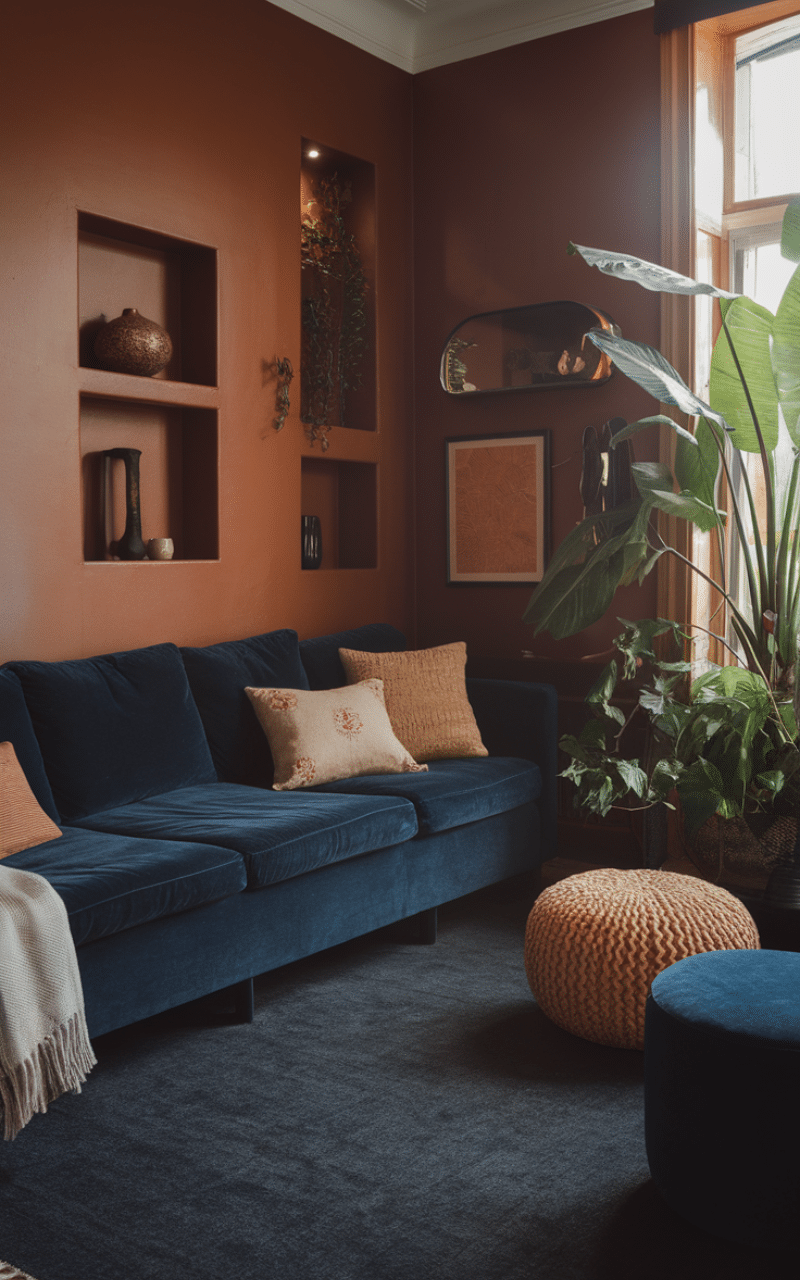
One of the easiest and most effective Spring Transition Decor Ideas on a Budget is replacing heavy winter fabrics with lighter materials. During winter, we naturally gravitate toward chunky knits, velvet, fleece, and dark tones. For spring, switch to cotton, linen, or lightweight woven fabrics in soft, airy colors like ivory, sage, blush, or soft blue.
I always get excited swapping my heavy winter throws for airy cotton or linen covers—it’s like giving my sofa a mini makeover without spending a fortune. I usually spend around $20–$60 per room when I buy new pillow covers or lightweight blankets. One tip I swear by is hitting discount home stores or online outlets—sometimes you can score soft linen throws for under $15. I recommend sticking to neutral or soft tones; it instantly lifts the room without feeling gimmicky. A mistake I see often is swapping fabrics but leaving the dark rug—this ruins the light, fresh effect.
13. Add Fresh or Faux Spring Flowers
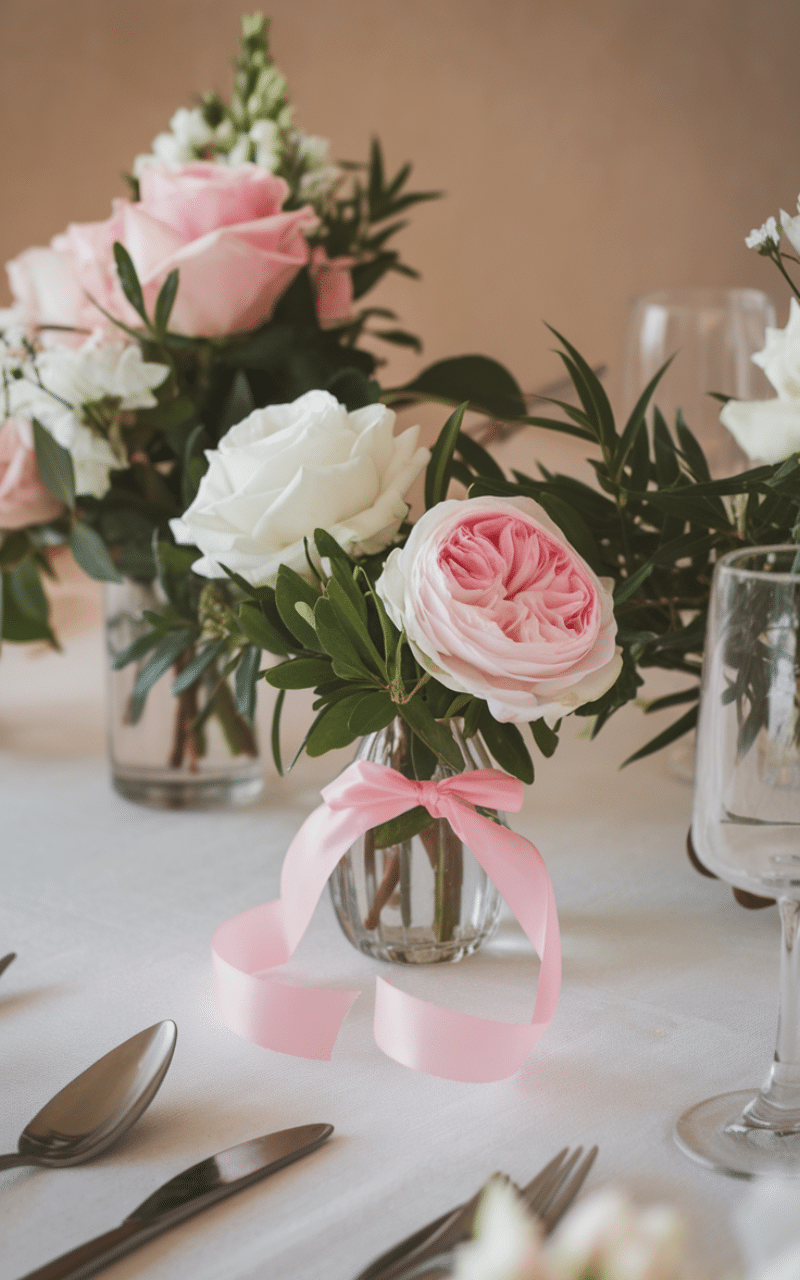
Flowers are a timeless symbol of spring and one of the simplest ways to refresh your home. Fresh blooms on a coffee table or kitchen counter instantly energize a space. If fresh flowers aren’t practical, high-quality faux florals are a smart, budget-friendly alternative that lasts all season.
Fresh flowers are my favorite indulgence, though they can get pricey—$10–$40 per bouquet depending on size and season. I save money by mixing a small fresh bunch with a faux stem or two, so it lasts longer and feels abundant. Personally, I recommend focusing on one or two signature arrangements instead of scattering tiny vases everywhere—it’s more impactful. Many people make the mistake of overcrowding surfaces, which makes the room feel cluttered rather than cheerful.
12. Refresh Your Wall Art
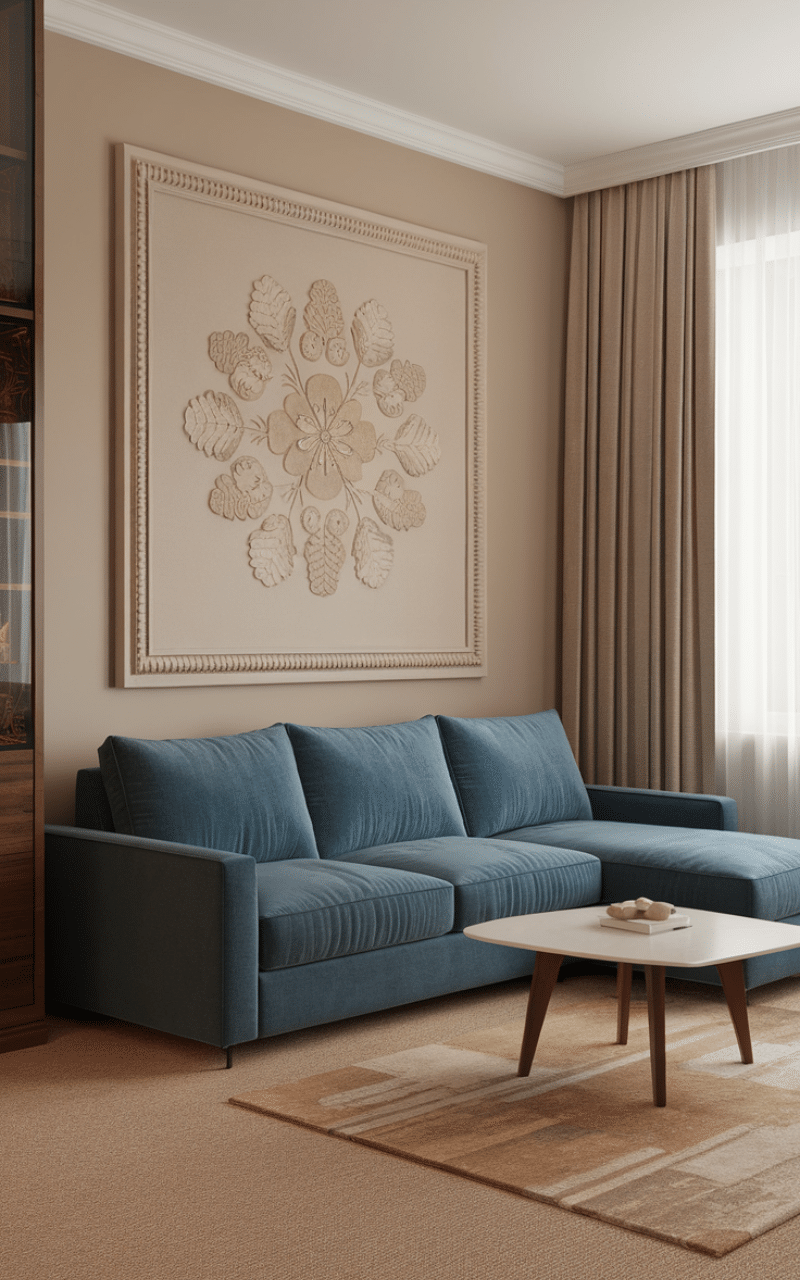
Wall art dramatically affects the mood of a room. Swapping winter-inspired prints for floral, botanical, or landscape artwork is an easy Spring Transition Decor Ideas on a Budget trick.
I love how swapping a single print can completely shift a room’s vibe, and I often do this for under $15–$50 if I print art at home or buy seasonal prints online. My tip is to use existing frames and just swap the inserts—it’s cheap, easy, and looks intentional. I highly recommend choosing art that speaks to your mood rather than just following trends. A common misstep is ignoring scale; tiny prints on big walls can feel lost, so think proportion first.
11. Use Soft Pastel Accents
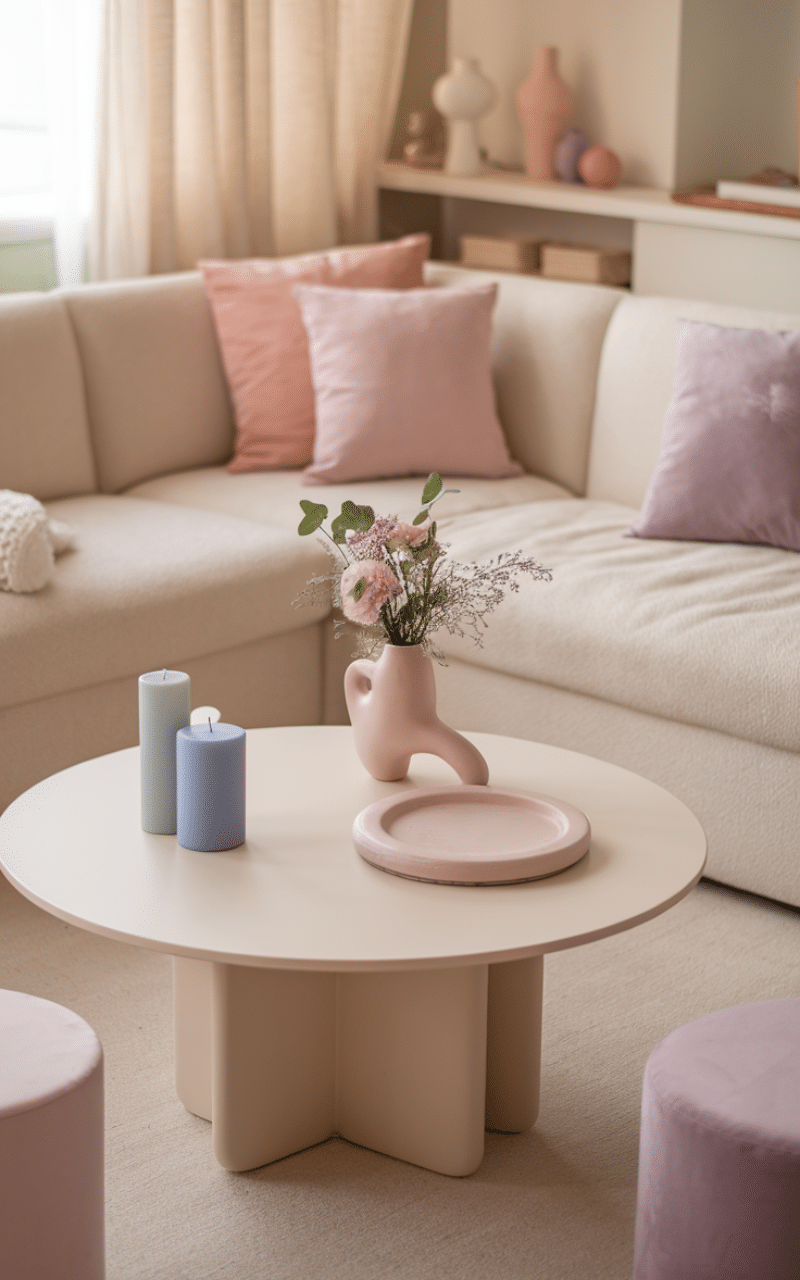
Pastels naturally signal spring. Adding small touches—like pastel candles, vases, decorative bowls, or pillow covers—can gently brighten your space.
The key is balance. Keep your neutral base and layer in subtle pastel hints rather than overpowering the room. This keeps your décor elegant and cohesive while still feeling seasonal.
Introducing pastel accessories is one of my easiest ways to brighten a room; I usually spend $5–$30 per piece on vases, candles, or pillow covers. A tip I swear by is to focus on a few accents in clusters—too many pastels can look chaotic. My personal recommendation is to pair pastels with your existing neutrals to keep things sophisticated. One mistake I often see is painting everything pastel or buying matching sets, which makes a space feel like a nursery rather than spring-chic.
10. Style with Natural Elements
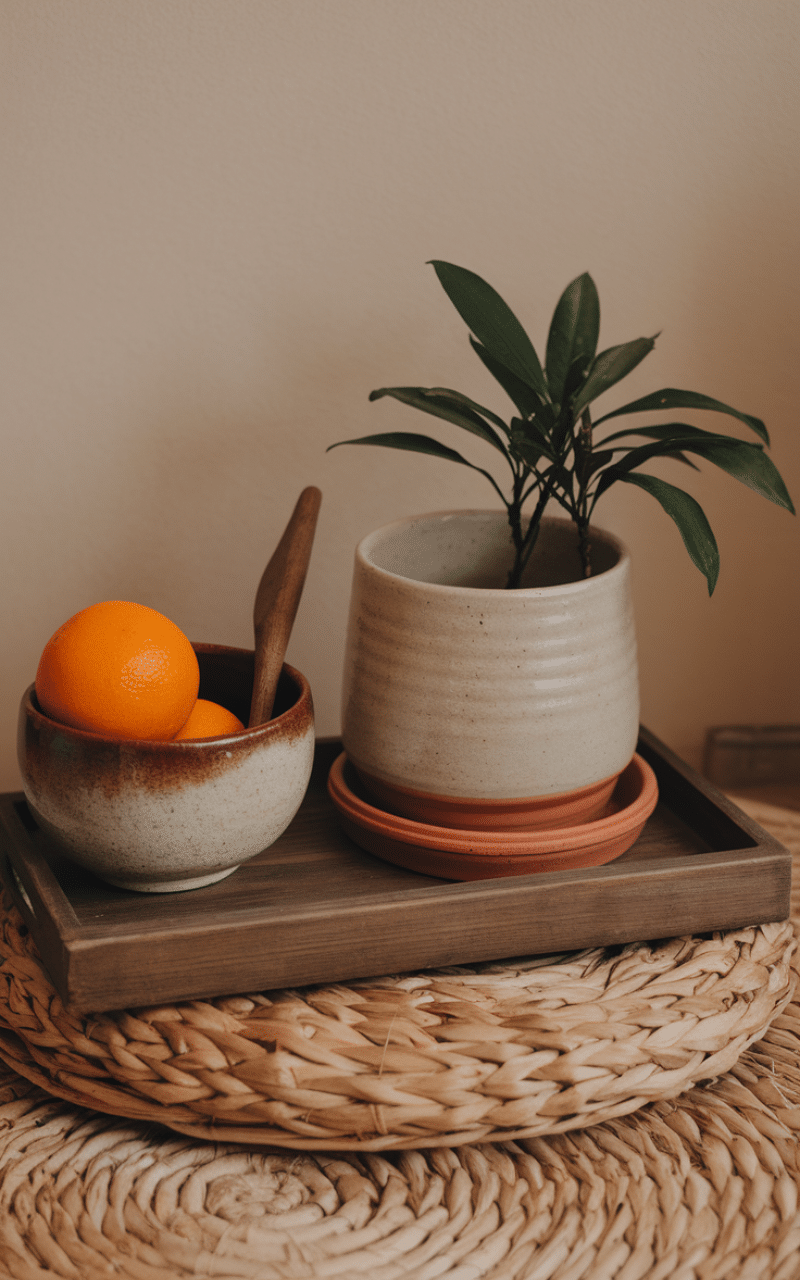
Spring is about reconnecting with nature. Incorporate wood, wicker, rattan, ceramic, or stone pieces to bring warmth and texture indoors.
Use woven baskets for storage, wooden trays for styling, or clay pots for plants. These natural materials are affordable, timeless, and versatile enough to use year-round.
I always add woven baskets, wooden trays, or clay pots for texture and warmth—my budget usually sits around $15–$70 depending on the pieces. A money-saving tip is to repurpose or thrift; I once found a perfect rattan basket for $12 that looks high-end. I recommend focusing on one or two statement natural pieces per area—it feels organic and curated. People often overcrowd their space with every natural material available, which ends up looking cluttered.
9. Lighten Up Your Curtains
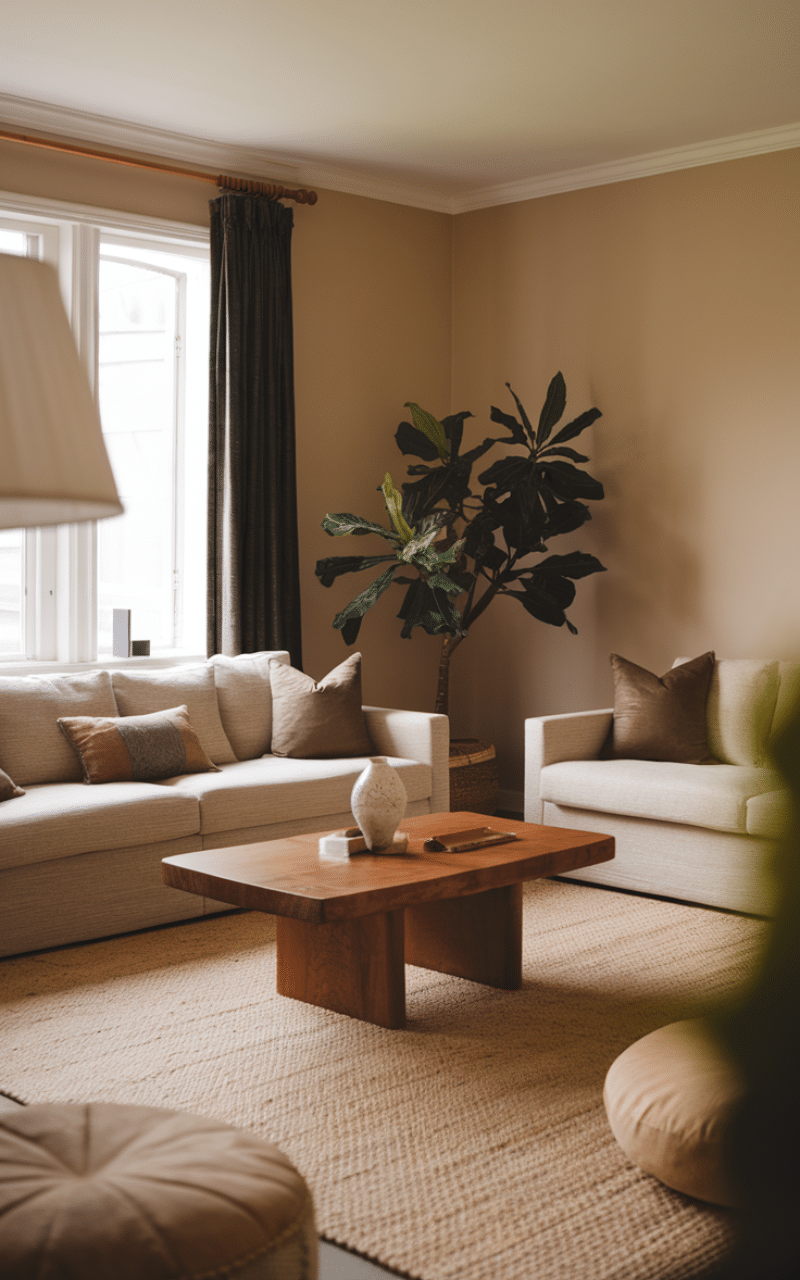
Curtains have a huge impact on lighting and atmosphere. Replacing heavy, dark drapes with sheer or light-colored curtains allows more natural light to fill the room.
This instantly creates an airy, open feeling—perfect for spring. Even simply tying back heavier curtains to let more light in can make a noticeable difference.
I switch my heavy drapes for airy sheers every spring, which costs me roughly $20–$60 per panel set. I usually shop clearance or use old curtains repurposed with a lighter liner—huge money saver. Personally, I love letting the light in gradually with tiebacks instead of rushing to buy new panels. One mistake I notice is keeping dark curtains closed all season—they negate all the effort of refreshing the room.
8. Update Your Table Decor
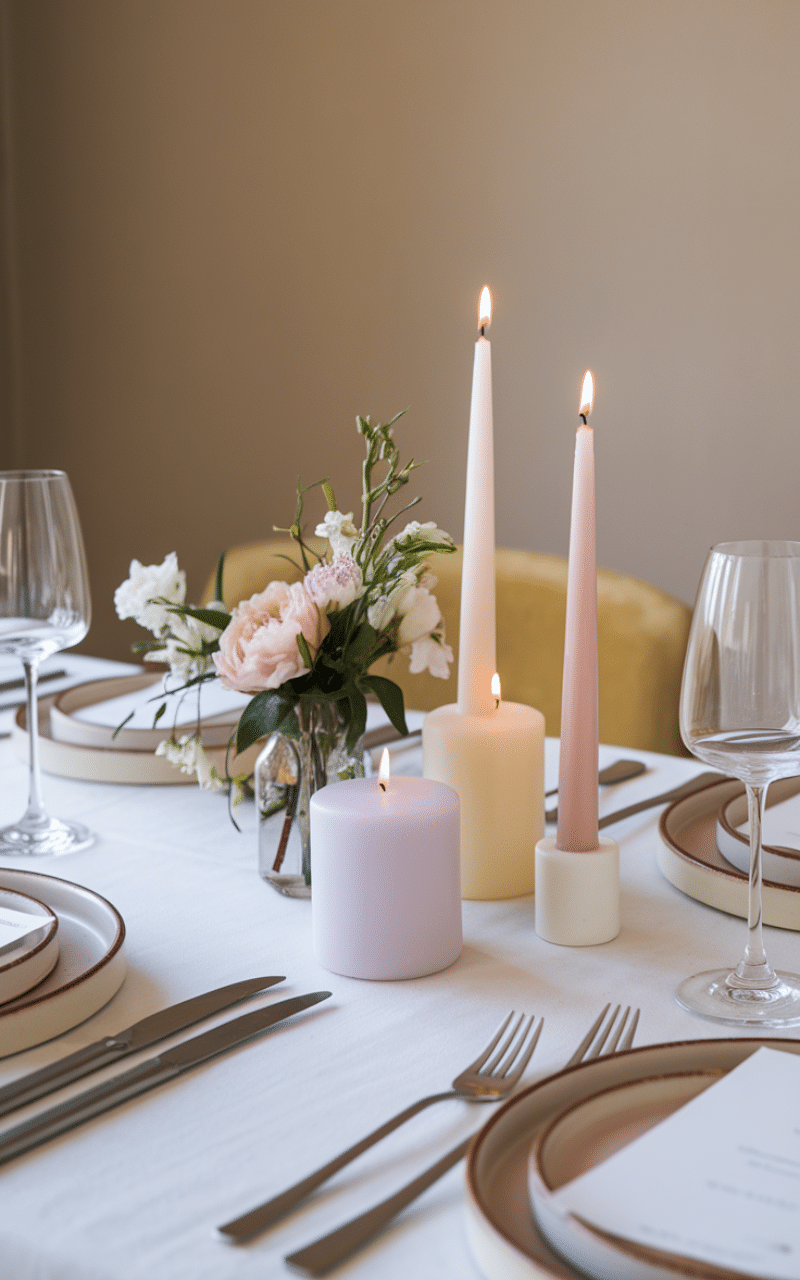
Your dining table or coffee table is the perfect place for seasonal styling. Add a light table runner, a small floral centerpiece, pastel candles, or a decorative bowl filled with seasonal accents.
I like to refresh my table with a simple runner, a few candles, or a small floral centerpiece, which costs me $15–$40 total. My frugal hack: rotate items you already own from season to season instead of buying everything new. I highly recommend a small centerpiece that becomes a talking point—it really elevates the table. A common mistake is over-accessorizing; too many items make the table look messy rather than curated.
7. Declutter and Restyle Shelves
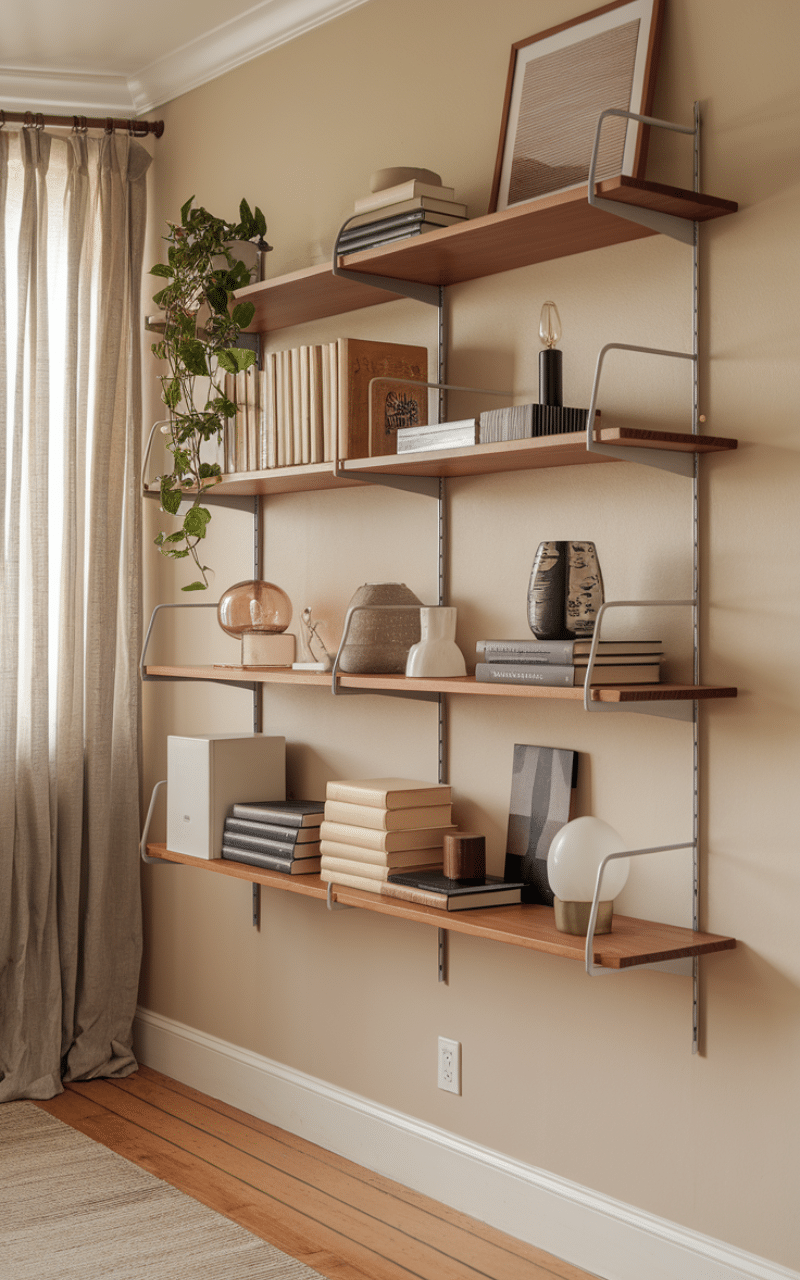
Spring cleaning and spring decorating go hand in hand. Decluttering is a completely free Spring Transition Decor Ideas on a Budget strategy.
Remove heavy, dark décor pieces and space out your styling. Add lighter objects, small plants, or neutral books. Negative space makes everything feel calmer and more intentional.
Spring is my favorite excuse to declutter, and it costs nothing! I spend maybe $10 if I buy a new storage basket. One tip I use is moving out half the items and only putting back what I truly love; it makes a huge visual difference. I recommend spacing objects out intentionally rather than cramming everything. People often restyle without decluttering first, which undermines the fresh, airy effect.
6. Bring in Indoor Plants
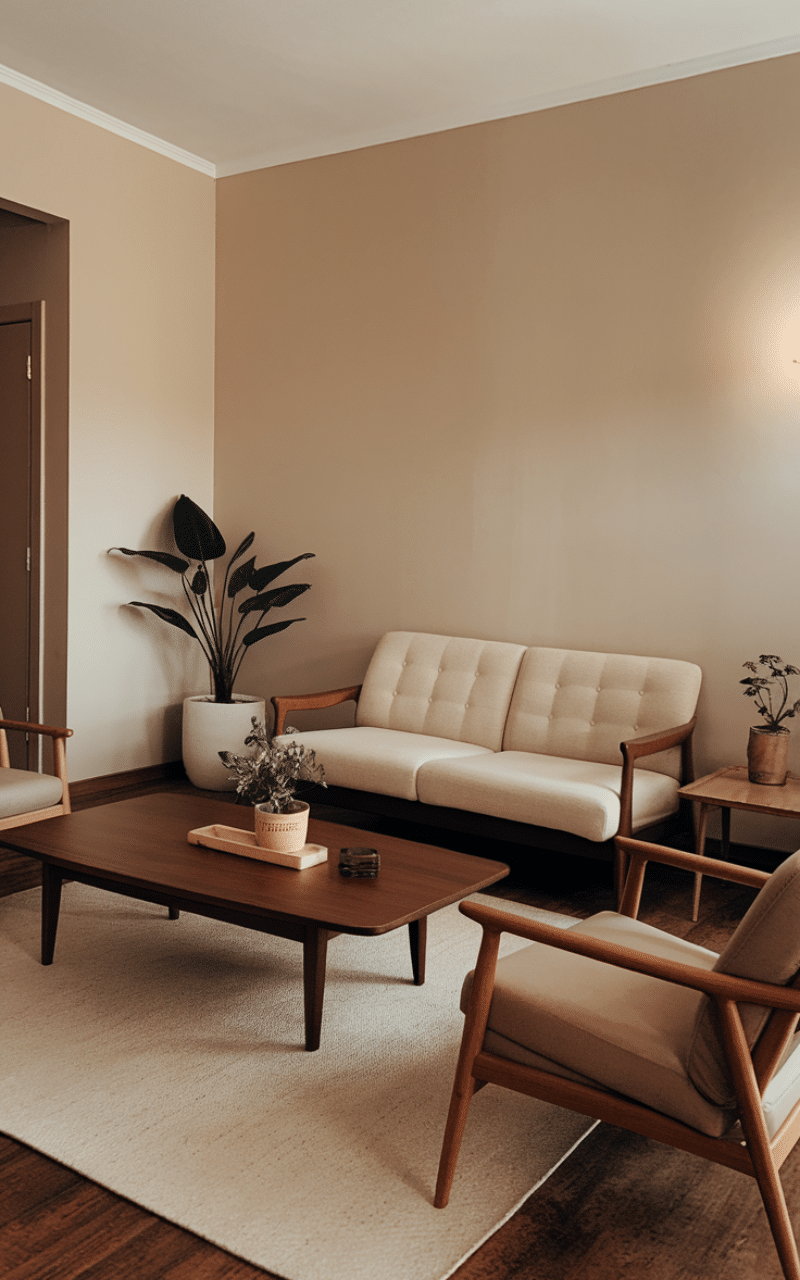
Nothing says spring like greenery. Even one or two houseplants can completely change the mood of a room.
Start with affordable, low-maintenance options. Place them near windows, on side tables, or on open shelving. Plants add life, color, and freshness instantly.
Indoor plants are my instant mood boosters. I usually spend $10–$40 per plant depending on size and type. A tip I swear by is starting with low-maintenance plants like pothos or snake plants—they’re cheap, resilient, and look great. My recommendation is to create little plant “corners” instead of scattering single pots everywhere—it feels more intentional. One mistake people make is overwatering or crowding small spaces; it can actually make the room feel chaotic.
5. Switch Out Candle Scents
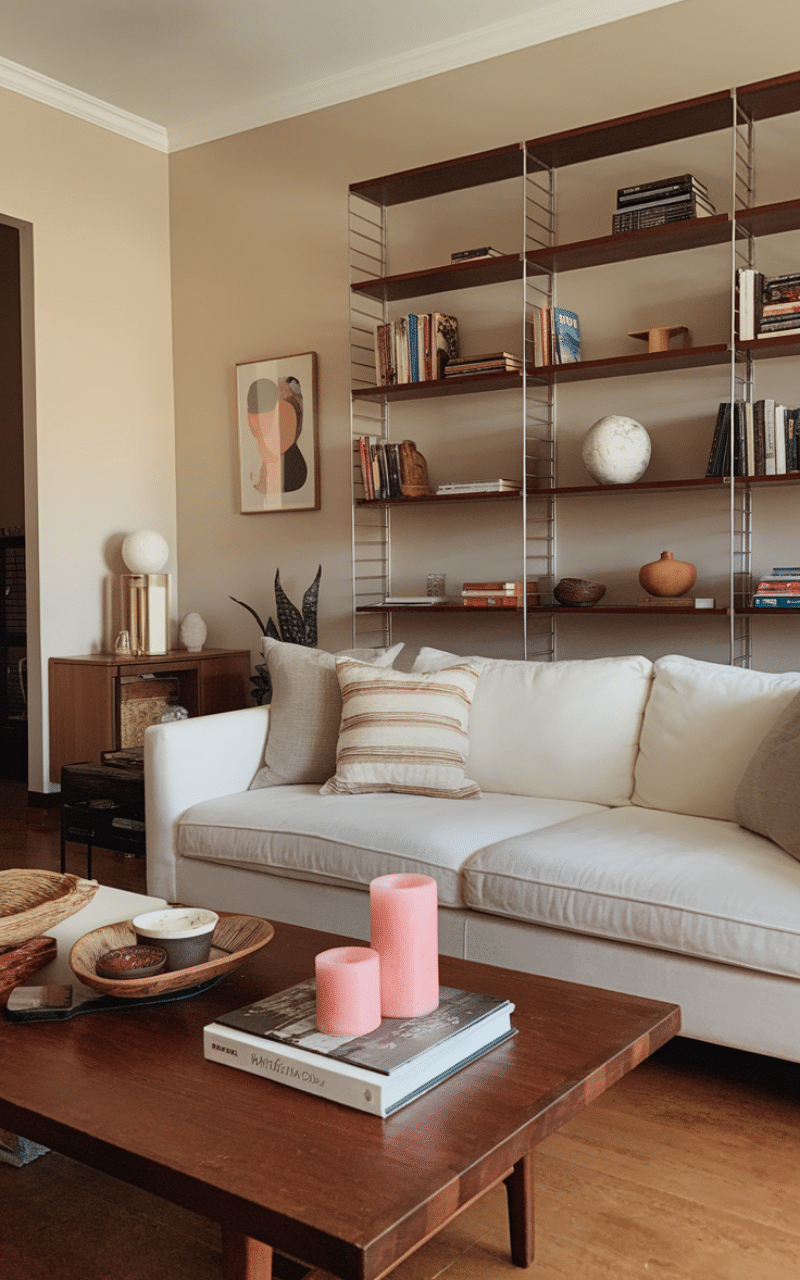
Seasonal scents influence how your home feels more than you might think. Replace warm winter fragrances like cinnamon or vanilla with floral, citrus, or fresh linen scents.
Candles and diffusers are inexpensive updates that subtly transform your space’s atmosphere.
I swap my cinnamon and vanilla candles for citrus or floral scents each spring, spending $5–$20 per candle. My money-saving tip is to buy a few mid-size candles instead of lots of tiny ones—they last longer and smell stronger. I personally recommend one signature scent per room to keep it cohesive. People often go overboard with too many fragrances at once, which overwhelms the space.
4. Add a Spring-Themed Throw Pillow
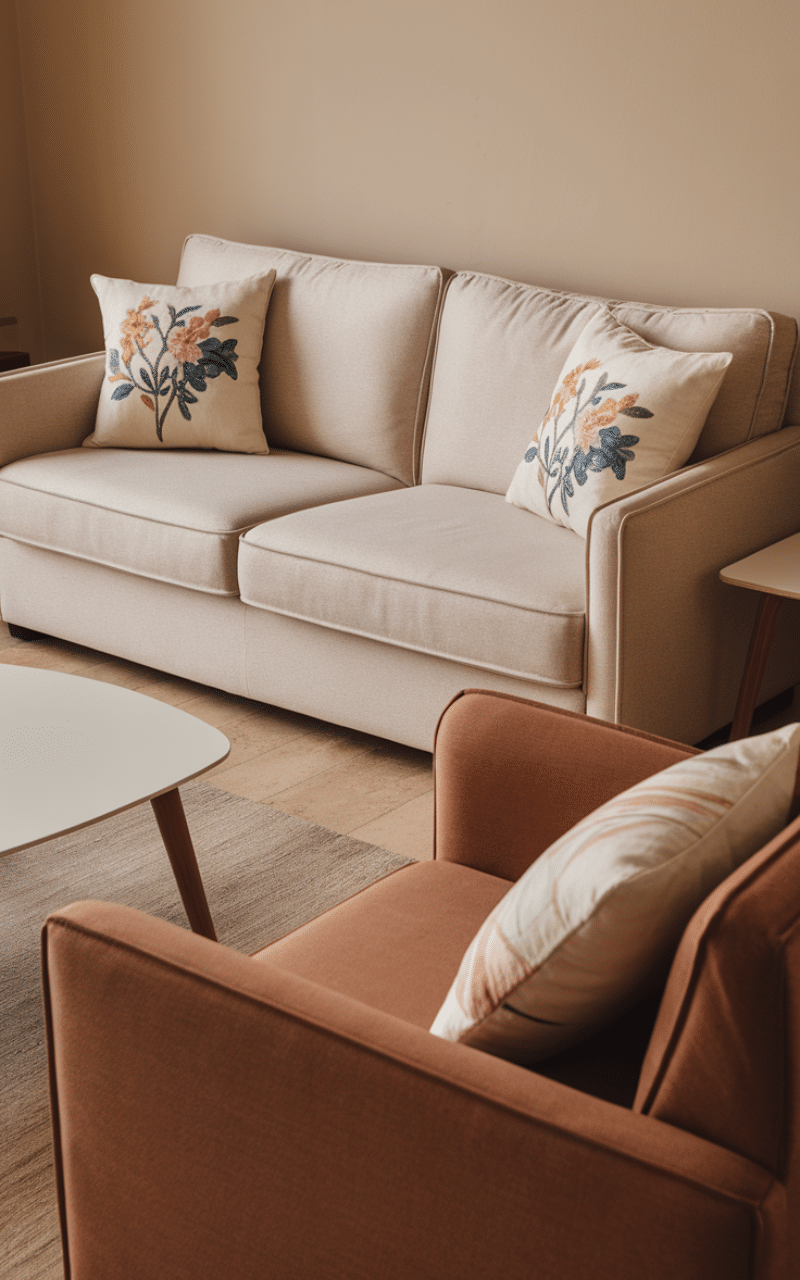
Throw pillows are one of the most budget-friendly decorating tools. Choose covers with soft florals, subtle stripes, or pastel tones to instantly refresh sofas and chairs.
Because you’re only changing the cover—not the insert—this update stays affordable while making a big visual impact.
Changing pillow covers is my quickest seasonal refresh—usually $10–$25 per cover. My tip: stick to covers only, keep the inserts, and you save a ton. I love adding just one patterned pillow per sofa; it feels fresh without looking forced. A common mistake is adding too many new covers at once—it can clash with your existing décor and feel busy.
3. Decorate with Trays and Small Accessories
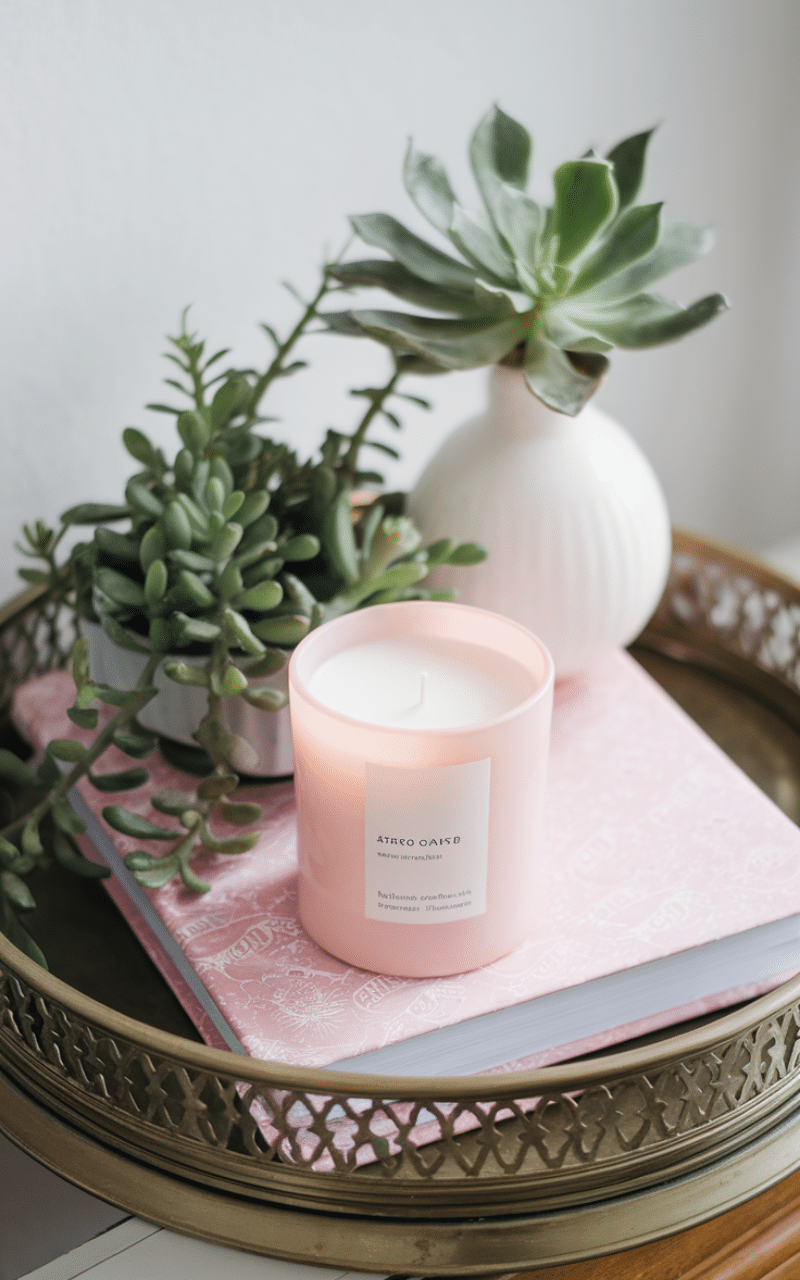
Trays help organize and elevate your décor at the same time. Use them to group candles, small plants, books, or decorative objects.
This makes your styling look intentional and tidy while allowing you to rotate seasonal accents easily.
Trays are my secret styling trick; I spend $10–$40 depending on size and material. A money-saving tip: repurpose trays from around the house—they look new with a little styling. I recommend grouping 3–5 items per tray for an intentional look. People often overfill trays or scatter items randomly, which defeats the purpose of organized style.
2. Use Mirrors to Reflect Natural Light
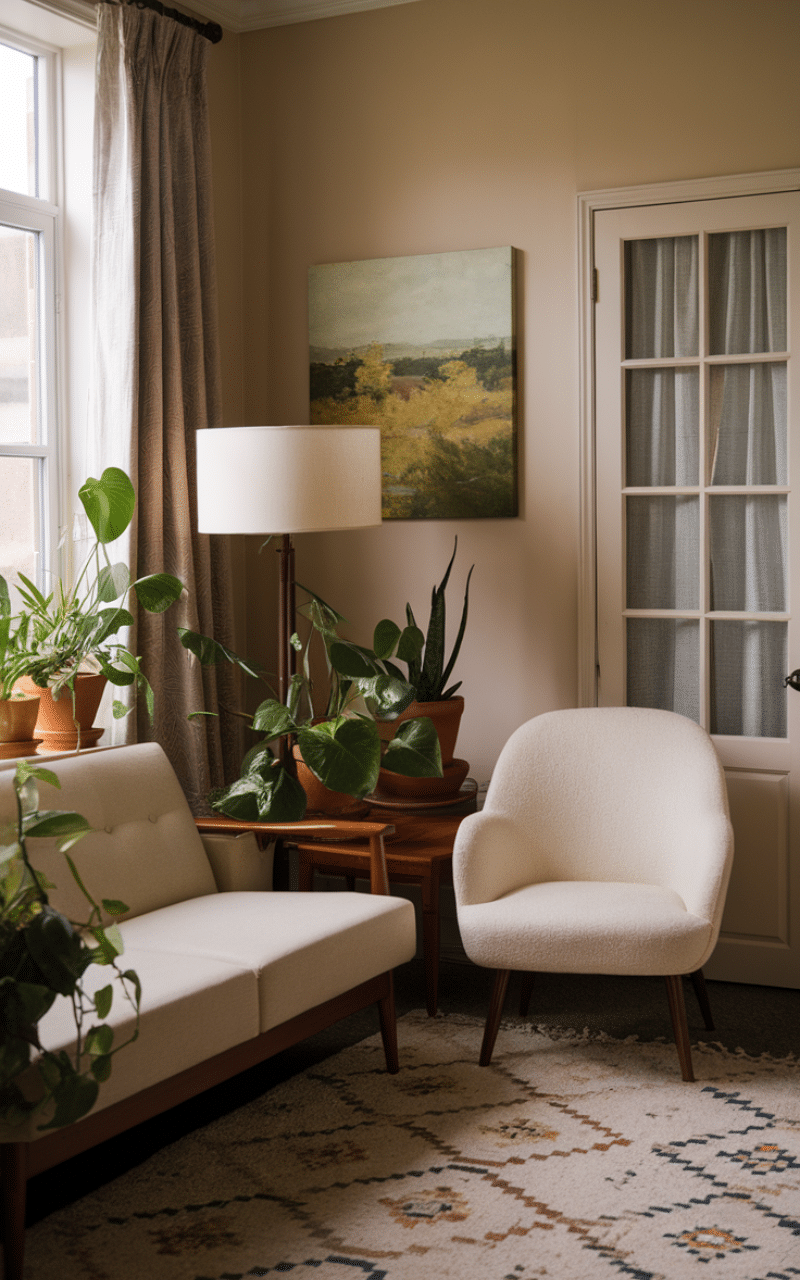
Mirrors are a powerful design trick, especially in smaller spaces. Placing a mirror opposite a window reflects natural light and makes the room feel brighter and larger.
Lightweight mirrors are easy to move and relatively affordable, making this a smart spring update.
Mirrors are my go-to hack for brightening small spaces. I usually budget $30–$80 for a good, lightweight mirror. A frugal tip: thrift shops often have solid mirrors that just need a quick clean or new frame. I highly recommend placing them opposite windows—it feels like magic when sunlight floods the room. Many people hang mirrors too high or in corners, missing their full light-reflecting potential.
1. Mix Winter and Spring Pieces
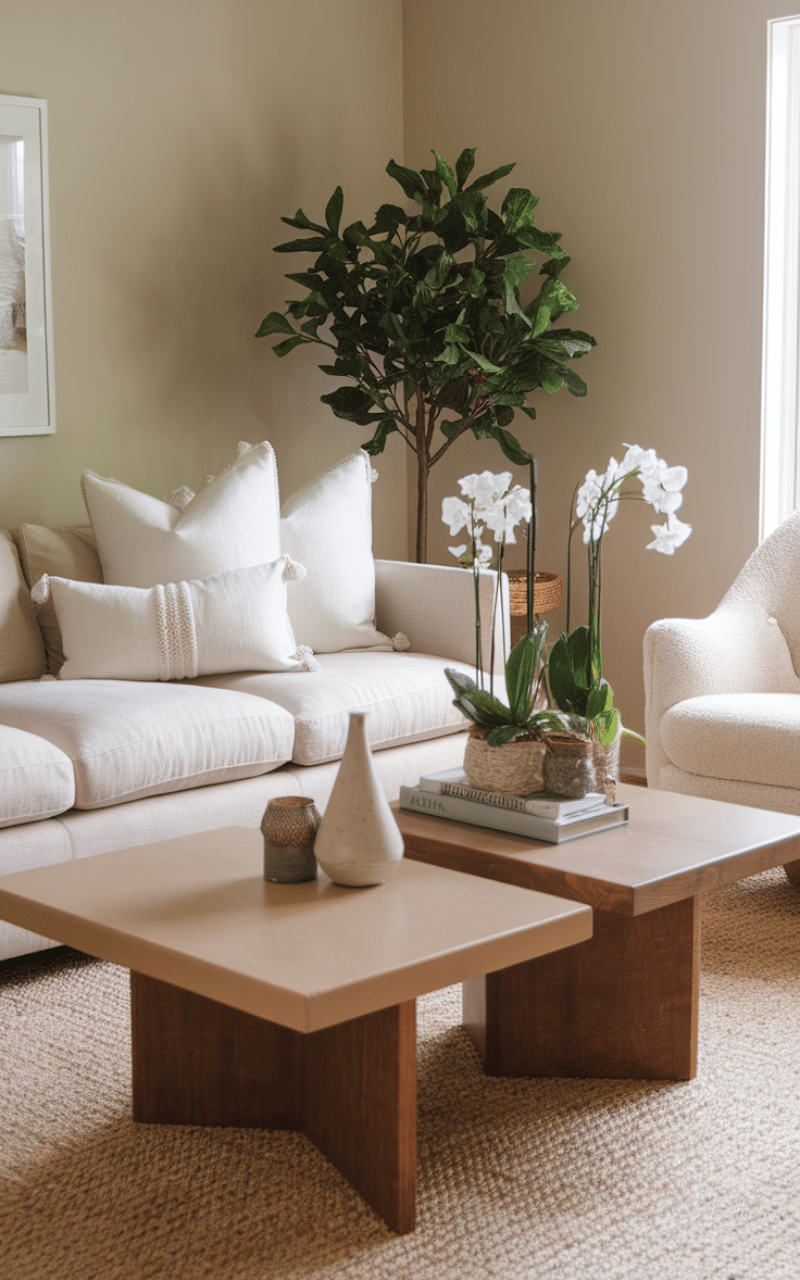
The best Spring Transition Decor Ideas on a Budget tip is to blend seasons rather than replace everything. Keep your neutral winter staples—like beige sofas or wooden furniture—and pair them with lighter textures and soft colors.
This layered approach feels natural, stylish, and cost-effective. Your home evolves with the season instead of undergoing a complete overhaul.
Blending existing winter staples with new spring accents is my favorite budget trick; I usually spend $20–$60 per room updating accessories. My money-saving tip: layer textures you already own with a few new lighter fabrics instead of buying all new furniture. I personally love this approach—it keeps my home feeling cozy yet refreshed. A common misstep is completely swapping everything out; it’s expensive and unnecessary, and you lose the homey feel you’ve built.
Conclusion: Refresh Your Home with Spring Transition Decor Ideas on a Budget
Decorating for spring doesn’t have to be expensive or overwhelming. With these Spring Transition Decor Ideas on a Budget, you can gently refresh your home through simple swaps, thoughtful layering, and subtle seasonal touches.
Spring Transition Decor is about balance—keeping the comfort you love while welcoming in lightness, color, and freshness. By making small, intentional updates, you create a space that feels bright, cozy, and perfectly aligned with the season.
If you enjoyed these ideas and want more affordable home inspiration, seasonal styling tips, and easy decorating guides, stay tuned for more ways to transform your space beautifully—without breaking your budget.

[…] or a few plants can transform the energy of a room. I also keep in mind lessons I learned from Spring Transition Decor, layering textures and colors to keep things fresh without being […]