Everything can be done with budget
How to Shop for Groceries on a Budget and Cut Your Bill

I used to spend way too much money at the grocery store! Every week, I’d walk out with bags full of food and a receipt that made me want to cry. I’d spend $150, $200, sometimes even $250 on groceries for just myself! Then I’d get home and realize I bought a bunch of stuff I didn’t really need. Half of it would go bad in my fridge, and I’d end up throwing away food and money. Does this sound familiar to you?
One day, I looked at my bank account and realized I was spending almost $800 a month on groceries! That’s crazy for one person! I knew I had to change something, but I didn’t want to eat boring food or be hungry all the time. I wanted to eat good food and still save money. So I started learning everything I could about smart grocery shopping, and guess what? I cut my grocery bill in half! Now I spend about $350 a month, and I eat even better than before!
The tricks I learned aren’t hard or complicated. Anyone can do them! You don’t need to be good at math, you don’t need to clip a million coupons, and you don’t need to spend hours planning. You just need to know a few simple secrets that will save you money every single time you shop. I’m going to share all of these secrets with you right now, and I promise they’ll change the way you shop forever!
Why I Had to Change My Shopping Habits
Before I learned how to shop smart, I was making so many mistakes without even knowing it! I would go to the grocery store whenever I felt like it, sometimes three or four times a week. I’d wander around the aisles, putting things in my cart that looked good. I’d buy snacks I didn’t need, fancy ingredients I’d never use, and way more food than I could eat before it went bad.
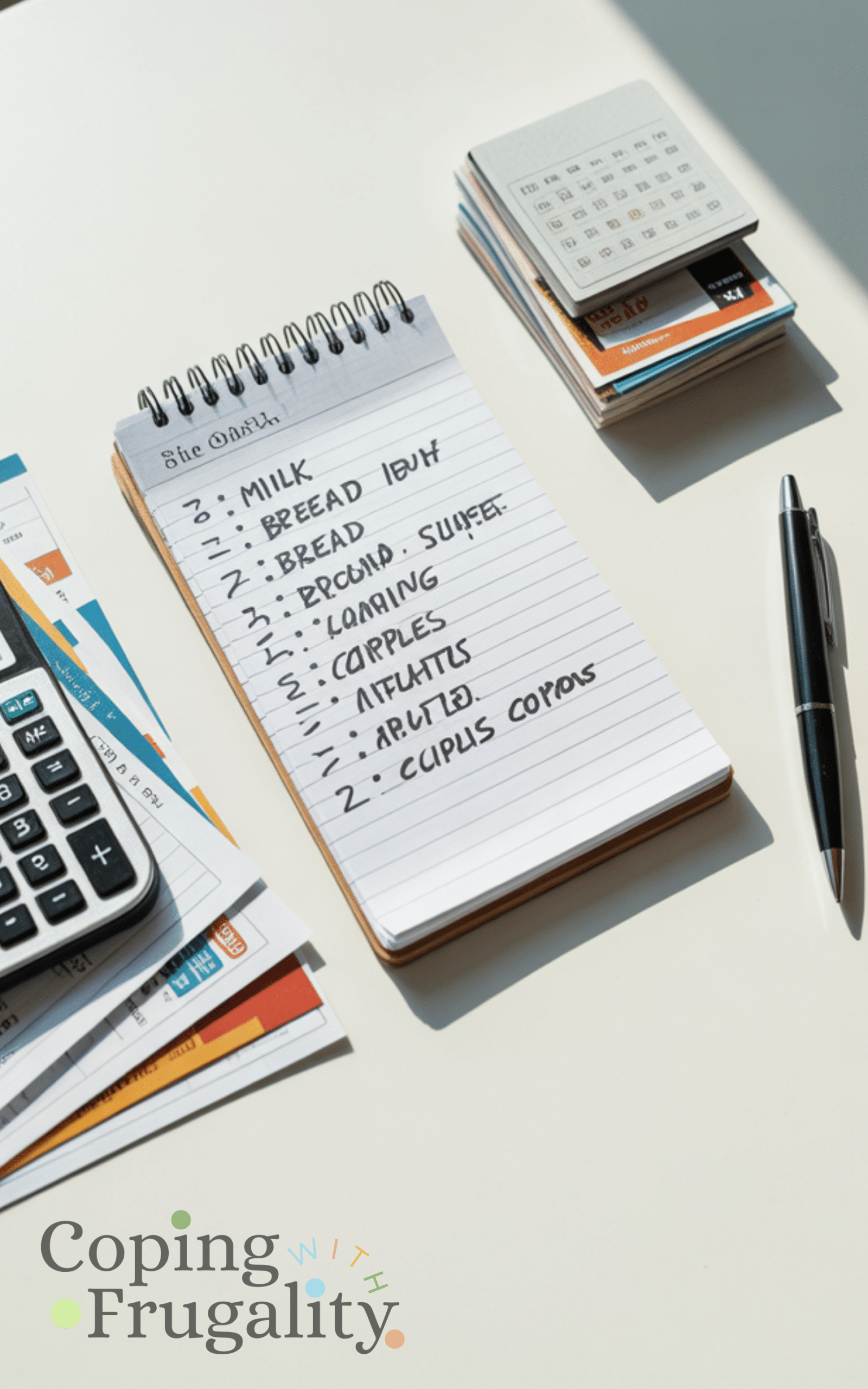
The worst part was throwing away food! Every week, I’d clean out my fridge and find moldy vegetables, expired yogurt, brown lettuce, and leftovers I forgot about. Throwing away food felt like throwing money in the garbage, because that’s exactly what I was doing! I calculated that I was probably wasting $100 worth of food every month. That’s $1,200 a year thrown in the trash! I felt sick when I realized this.
I also didn’t know prices. I had no idea if I was paying a good price for chicken or if the tomatoes were overpriced. I just grabbed what I needed without thinking. Sometimes I’d buy things at one store that were half the price at another store! I was basically wasting money because I didn’t pay attention.
Shopping when I was hungry was another huge mistake! When you shop hungry, everything looks delicious and you buy way more than you need. I’d go to the store after work, starving, and come home with chips, cookies, fancy cheeses, prepared foods, and all sorts of expensive things I didn’t plan to buy. My hunger was making me spend extra money!
Finally, I never made a list. I’d just go to the store and try to remember what I needed. I’d forget important things and have to go back to the store later, which wasted time and gas. Or I’d buy duplicates of things I already had at home because I couldn’t remember what was in my pantry. Having three bottles of ketchup because I kept forgetting I already had some is embarrassing!
How I Plan Before I Shop
Now I know that the secret to saving money at the grocery store actually starts at home, before I even leave the house! Planning ahead is the most important thing I do, and it saves me hundreds of dollars every month. Let me show you my planning process step by step.
First, I check what I already have! I look in my fridge, freezer, and pantry before I make my shopping list. This seems obvious, but I used to skip this step and buy things I already had. Now I take five minutes to see what food I already own. Maybe I have pasta, rice, canned beans, frozen vegetables, and chicken in my freezer. Great! I can plan meals around these foods and only buy what I’m missing.
Then I plan my meals for the week. I sit down with a piece of paper and write out what I’m going to eat for dinner each night. I don’t plan fancy complicated meals – I plan simple things I know how to make. Maybe Monday is spaghetti, Tuesday is chicken and rice, Wednesday is tacos, Thursday is stir-fry, and Friday is leftovers. Planning meals helps me know exactly what ingredients to buy!
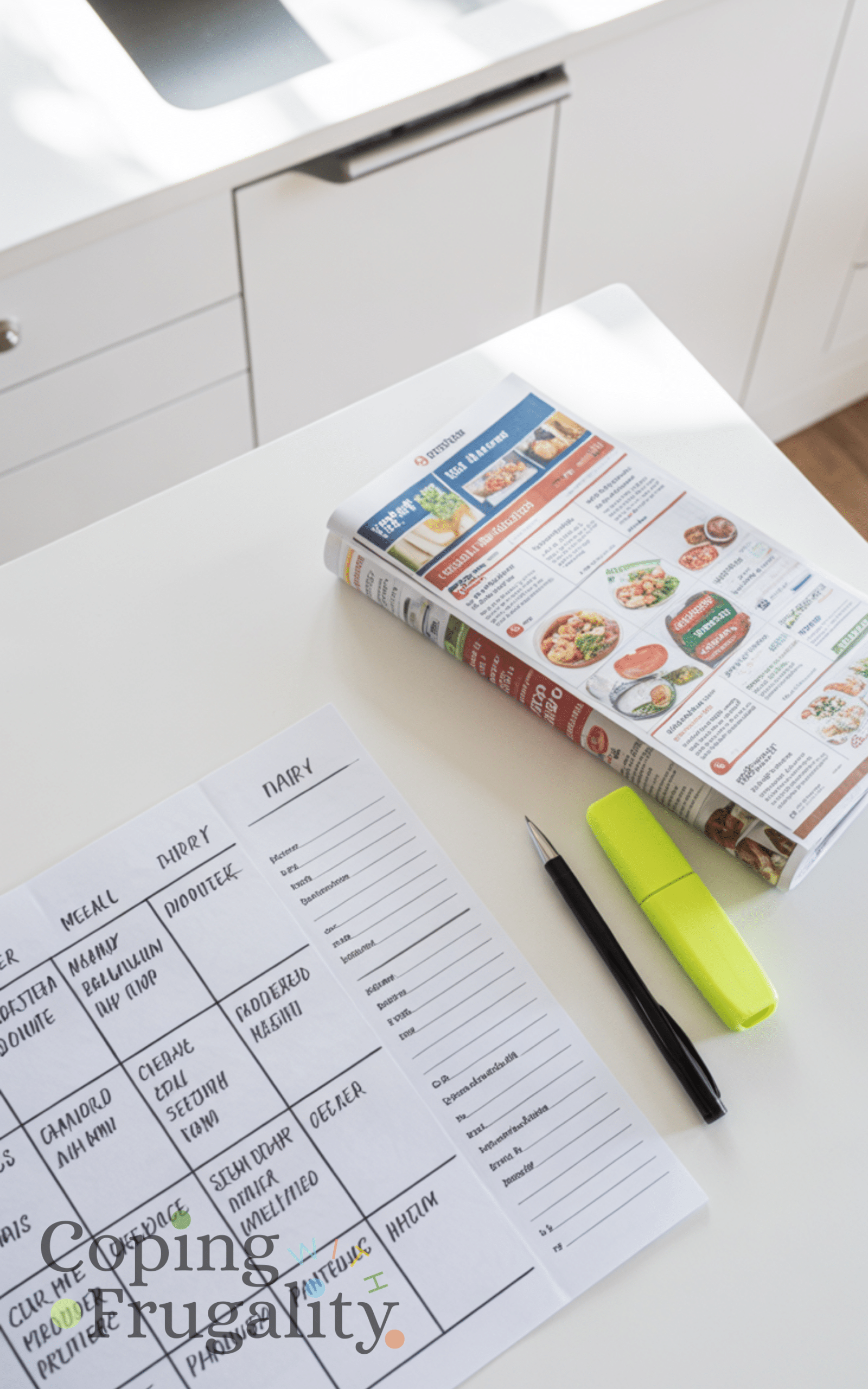
I make a detailed shopping list based on my meal plan. I write down every single ingredient I need for my planned meals, plus basic staples like milk, bread, eggs, and fruit. I organize my list by store sections – all the produce together, all the dairy together, all the meat together. This makes shopping faster and helps me not forget things. I stick to this list like glue when I’m at the store!
I check the store sales flyers before I go shopping! Most grocery stores have weekly sales, and they post their flyers online or in the newspaper. I look at what’s on sale and plan my meals around those items. If chicken is on sale, I plan chicken meals. If pasta sauce is on sale, I make spaghetti that week. Shopping the sales saves me so much money – sometimes things are half price or even better!
I also decide which store to shop at based on prices. I used to think all grocery stores cost the same, but they don’t! Some stores are much cheaper than others. I do most of my shopping at discount grocery stores where prices are lower. For things that aren’t cheaper there, I might stop at another store. Yes, this takes a little more time, but I save $30 to $50 every week doing this!
My Smart Shopping Strategies at the Store
Once I get to the grocery store, I follow some simple rules that keep me from overspending. These strategies have saved me thousands of dollars over the years, and they’re super easy to follow!
I never shop hungry! This is rule number one. If I’m hungry, I eat something before I go to the store. Shopping on a full stomach means I don’t get tempted by all the delicious-looking snacks and treats. I walk past the chips and cookies without wanting them because I’m not hungry. This one simple trick probably saves me $20 to $30 per shopping trip!
I shop alone when possible. When I bring my kids or my partner, we end up with extra stuff in the cart that wasn’t on my list. Everyone wants to add their favorite treats and snacks! When I shop alone, I’m focused and stick to my list. If I have to bring someone with me, I tell them clearly that we’re only buying what’s on the list, and I don’t let them convince me to buy extras.
I compare prices by looking at the unit price, not just the package price! The unit price is the price per ounce or per pound, and it’s usually shown on the shelf tag in small print. Sometimes a bigger package costs more money but is actually cheaper per ounce. Sometimes a smaller package is the better deal! I always check unit prices to make sure I’m getting the best value.
I buy store brands instead of name brands for most things! Store brand cereal, pasta, canned goods, frozen vegetables, and dairy products taste the same as name brands but cost way less. I used to think name brands were better quality, but I was wrong! I did a taste test at home and honestly couldn’t tell the difference between store brand and name brand for most foods. Buying store brands saves me about $30 every shopping trip!
I avoid the middle aisles when possible. The healthiest and cheapest foods are usually on the outside edges of the store – produce, meat, dairy, and bread. The middle aisles have all the processed, packaged, expensive foods that I don’t really need. I get what I need from the middle aisles based on my list, but I don’t browse there because that’s where I get tempted to buy junk!
I look high and low on shelves, not at eye level! Stores put the most expensive items at eye level because that’s where you look first. The cheaper options are often on the top or bottom shelves. I make a point to crouch down and look at the bottom shelf, and to look up at the top shelf. This is where I find the better deals!
I never buy anything just because it’s on sale unless I was already planning to buy it! Sales are designed to make you buy things you don’t need. If crackers are on sale but I don’t eat crackers and they’re not on my list, I don’t buy them just because they’re cheap. That’s not saving money – that’s wasting money on food I won’t eat!
The Foods I Always Buy Because They’re Cheap
Some foods give you the most bang for your buck! These are the foods that are cheap, healthy, and filling. I build most of my meals around these budget superstar foods, and they’ve helped me save so much money.
Rice is the cheapest food in the world, I think! A big bag of rice costs just a few dollars and makes dozens of meals. I eat rice with everything – with beans, with vegetables, with meat, with eggs. It fills you up, it’s healthy, and it costs almost nothing. I always have rice in my pantry!
Beans are another cheap protein! Dried beans cost even less than canned beans, though they take longer to cook. I buy both. Beans are so versatile – I make bean burritos, bean soup, rice and beans, bean chili, and bean salads. A bag of dried beans costs about $1.50 and makes enough beans for ten meals! You can’t beat that!
Pasta is my go-to easy meal! When I don’t know what to make for dinner, I make pasta. It cooks in ten minutes, everyone likes it, and it’s super cheap. I buy store-brand pasta for about $1 per box, and each box makes three to four meals for me. With a jar of sauce (which I buy when it’s on sale), I have dinner for less than $2!
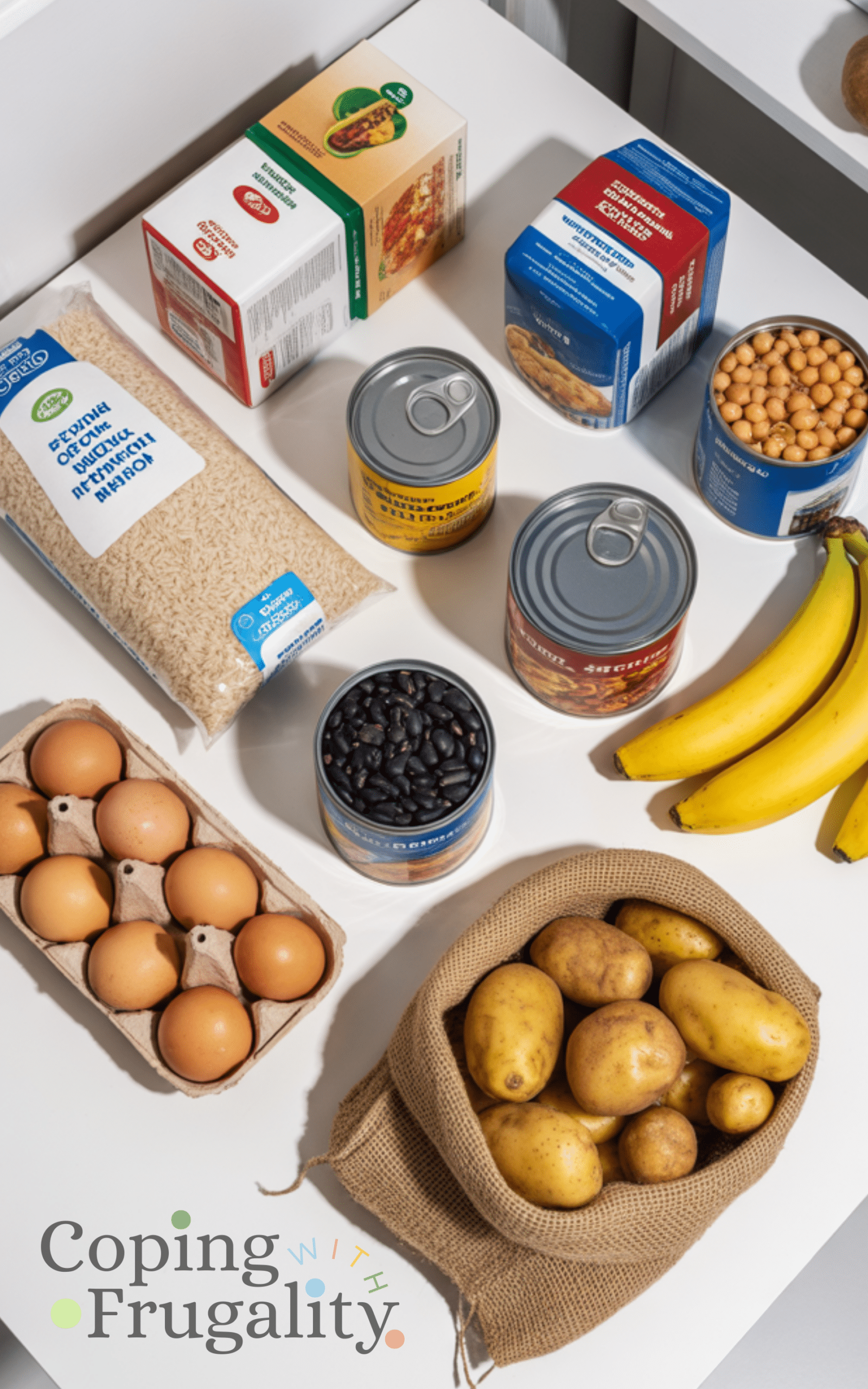
Eggs are a cheap source of protein that you can eat anytime! I eat eggs for breakfast, lunch, and dinner. Scrambled eggs, fried eggs, hard-boiled eggs, egg sandwiches, eggs in fried rice – eggs go with everything! A dozen eggs costs about $3 to $4 and gives me protein for a whole week. That’s such a good deal!
Potatoes fill you up for very little money! A five-pound bag of potatoes costs about $3 and makes so many meals. I make baked potatoes, mashed potatoes, roasted potatoes, potato soup, and breakfast hash with potatoes. Potatoes last for weeks in my cupboard and they’re so versatile!
Oatmeal is the cheapest breakfast! A big container of oatmeal costs about $3 and makes breakfast for a whole month. That’s less than ten cents per breakfast! I add cinnamon, a little brown sugar, or fruit to make it tasty. It’s filling, healthy, and incredibly cheap.
Frozen vegetables are better than fresh! I used to buy fresh vegetables that would go bad before I used them. Now I buy frozen vegetables that last for months in my freezer and cost less than fresh. Frozen vegetables are just as nutritious as fresh ones, and I never waste them because they don’t go bad. I always have frozen broccoli, mixed vegetables, and spinach in my freezer.
Whole chickens are cheaper than chicken parts! Instead of buying chicken breasts which are expensive, I buy whole chickens when they’re on sale. I roast the chicken, we eat the meat for several meals, and then I use the bones to make soup broth! One chicken gives me four or five meals, and it costs about $6 to $8. That’s super economical!
Bananas are the cheapest fruit! They cost about 50 cents per pound, which means I can buy several bananas for about $1.50. They’re perfect for snacks, they’re great in oatmeal or cereal, and if they get too ripe, I freeze them to make smoothies or banana bread. I always buy bananas!
How I Avoid Wasting Food and Money
Wasting food is wasting money! Every bit of food I throw away is like throwing dollar bills in the trash. I’ve learned so many tricks to make sure I use everything I buy and nothing goes to waste.
I organize my fridge so I can see everything! I used to have food hiding in the back of my fridge that I’d forget about until it went bad. Now I keep my fridge neat and organized. New food goes in the back, older food comes to the front. This way I use the older food first before it goes bad. It’s called “first in, first out,” and restaurants use this same system!
I use my freezer like a pause button for food! If I have food that I’m not going to eat before it goes bad, I freeze it. Bread, meat, vegetables, cooked rice, soup, even milk – you can freeze all of these things! My freezer is full of food waiting to be eaten. When chicken is on sale, I buy a bunch and freeze it. When I make a big pot of soup, I freeze half for later. Freezing food has saved me so much money!
I eat leftovers for lunch every day! Whatever we don’t finish at dinner goes in a container, and that’s my lunch the next day. This means I don’t have to buy lunch or make separate lunch food. Leftovers are free lunch! I used to think leftovers were boring, but now I appreciate them because they save me time and money.
I have a “use it up” meal at the end of every week! On Friday or Saturday, before I go shopping again, I look in my fridge and see what needs to be used up. I make a meal using all those odds and ends. Maybe I have half a bell pepper, some leftover rice, a little bit of chicken, and some random vegetables. I throw it all together and make stir-fry or fried rice, or soup! These “clean out the fridge” meals are often the most creative and fun.
I’m realistic about what I’ll actually eat! I used to buy vegetables thinking “I should eat healthy,” but then I wouldn’t actually cook them, and they’d go bad. Now I only buy vegetables I know I’ll really eat. If I don’t like mushrooms, I don’t buy them just because they’re on sale! I buy food my family actually eats, not food I think we should eat.
I check expiration dates, but I don’t throw food away the second it expires! Many foods are still good after their expiration date. Milk usually lasts a few days past the date if it smells fine. Yogurt lasts a week or more. Eggs last for weeks. I use my nose and common sense to tell if food is still good. I’m not saying eat spoiled food – I’m saying don’t automatically throw things away just because of the date on the package!
My Weekly Shopping Routine
I’ve developed a routine that makes grocery shopping easier, faster, and cheaper! I follow the same pattern every week, and it works like a well-oiled machine now. Let me walk you through my exact routine.
I shop once a week on the same day. I choose Sunday because that’s when I have time and the store isn’t too crowded. Shopping once a week instead of multiple times saves me money because I’m not tempted by impulse purchases multiple times. It also saves me time and gas! Some people shop every two weeks or even once a month – find what works for you.
On Saturday, I do all my planning. I check my fridge and pantry, plan my meals for the week, look at store flyers for sales, and make my shopping list. This planning takes about thirty minutes, but it saves me hours of time and lots of money! I make planning time part of my weekend routine, just like doing laundry or cleaning.
Sunday morning, I eat a good breakfast, then I go shopping. I bring my list, my reusable shopping bags, and my phone with my shopping apps. I go early in the morning when the store is quiet, and I can shop quickly without crowds. The whole shopping trip takes about forty-five minutes to an hour.
At the store, I follow my list and use my strategies! I compare unit prices, buy store brands, stick to my list, and don’t buy things just because they’re on sale. I’ve trained myself to be disciplined. It was hard at first, but now it’s automatic. I don’t even feel tempted by the candy at the checkout line anymore!
When I get home, I put everything away right away and prep some food for the week! I wash and cut vegetables so they’re ready to cook. I portion meat and freeze what I’m not using this week. I cook hard-boiled eggs for quick snacks. I make overnight oats for easy breakfasts. Spending thirty minutes prepping when I get home from the store saves me so much time during the week!
I track my spending to stay accountable. I write down how much I spent on my shopping trip and keep a running total for the month. My goal is to stay under $350 per month, and tracking helps me see if I’m on track or if I need to be more careful. This isn’t about punishing myself – it’s about awareness!
My Money-Saving Tips and Tricks
I’ve picked up so many little tricks over the years that add up to big savings! These are the small things that make a big difference in my grocery budget.
I use cashback apps! There are apps where you scan your receipt after shopping and get money back on certain items. It’s free money for shopping I was already doing! I usually get about $5 to $10 back per month. Over a year, that’s $60 to $120 just for taking pictures of my receipts!
I buy seasonal produce because it’s cheaper and tastes better! Strawberries in summer are cheap and delicious. Strawberries in winter are expensive and flavorless. I buy whatever fruits and vegetables are in season, and I pay way less. An added bonus is that seasonal produce is fresher and more nutritious!
I avoid pre-cut, pre-washed, and pre-packaged foods! Baby carrots cost twice as much as regular carrots. Pre-cut vegetables cost three times as much as whole vegetables. Pre-shredded cheese costs more than block cheese. I’m paying for convenience, but it only takes me two minutes to cut vegetables or shred cheese myself. Those two minutes save me serious money!
I make my own snacks instead of buying packaged ones! Instead of buying granola bars for $5, I make my own for $2. Instead of buying popcorn bags, I buy kernels and pop them myself for pennies. Instead of buying cookies, I bake them (and they taste better!). Homemade snacks are cheaper, healthier, and often tastier!
I shop at discount grocery stores like Aldi or Lidl! These stores have lower prices on almost everything. I can buy the exact same groceries for $80 at a discount store that would cost me $120 at a regular supermarket. If you have discount grocery stores near you, try them! You might be amazed at how much you save!
I grow some herbs and vegetables if I have any space at all! Even if I just have a windowsill, I can grow herbs like basil, which costs $3 for a tiny package at the store. A pot of basil that I can harvest for months costs $5 and gives me way more basil. If I have a small yard or balcony, I grow tomatoes, lettuce, and peppers in the summer. Homegrown food is free and tastes amazing!
I buy in bulk only for things I actually use! Bulk buying can save money, but only if you use all of it before it goes bad. I buy rice, pasta, oats, and canned goods in bulk because they don’t expire quickly. I don’t buy fresh produce in bulk because it goes bad before I can eat it all. Be smart about bulk buying!
FAQ
How much should I spend on groceries each month?
This depends on how many people you’re feeding and where you live! For one person, I think spending $250 to $400 per month is reasonable. For a family of four, maybe $600 to $900 per month. These are rough estimates because prices vary by location and dietary needs. The important thing is to know how much YOU currently spend, and then try to reduce it by 20% to 30% using the tips I’ve shared. If you’re currently spending $800 for your family, try to get it down to $600. Track your spending for a month to see where you are now!
Should I use coupons?
Coupons can save money, but only if you use them wisely! I don’t spend hours clipping coupons because my time is valuable too. I use digital coupons from store apps because they’re easy – I just click them and they automatically apply at checkout. I only use coupons for products I was already planning to buy. Don’t buy something you don’t need just because you have a coupon! That’s not saving money, that’s spending money you wouldn’t have spent otherwise. Be smart about coupons!
Is it cheaper to shop at farmers markets?
Sometimes yes, sometimes no! Farmers’ markets can have great deals on seasonal produce, especially near closing time when vendors want to sell out. But they can also be more expensive than grocery stores for some items. I like farmers’ markets for certain things, like tomatoes in summer or apples in fall, but I still do most of my shopping at regular grocery stores. If you go to farmers markets, go near the end when prices might be reduced, and compare prices to what you’d pay at the store!
What if my family is picky and won’t eat cheap foods?
I understand this struggle! Start slowly and involve your family in meal planning. If your kids hate beans, try sneaking them into foods they do like – blend beans into smoothies or pasta sauce, or make bean quesadillas with lots of cheese. Make cheap foods taste good with seasonings and sauces. Let family members choose one meal per week so they feel involved. Remember, you’re the adult, and you decide what to buy – kids might complain at first, but they’ll eat when they’re hungry! Be patient and persistent!
How do I shop for healthy food on a budget?
Healthy eating doesn’t have to be expensive! The healthiest foods are often the cheapest – beans, rice, oats, eggs, frozen vegetables, bananas, potatoes, and whole-grain pasta are all healthy and cheap. The expensive part of healthy eating is buying organic specialty products and fancy superfoods. You don’t need those to be healthy! Buy frozen vegetables instead of fresh organic ones, buy regular eggs instead of fancy eggs, buy dried beans instead of organic canned beans. Healthy eating on a budget is totally possible!
What should I do if I run out of something before my next shopping trip?
First, make sure you really need it, or if you can wait until your next planned shopping trip! Running to the store for one item often turns into buying multiple things you didn’t plan to buy. If you truly need it and can’t wait, only buy that one thing – don’t browse the store! Better yet, keep a well-stocked pantry of staples so you rarely run out of essential items. I keep extra pasta, rice, canned goods, and frozen vegetables so I can always make a meal even if I run out of fresh ingredients!