
Everything can be done with budget
16 Best Cat Scratch Solutions That Protect Furniture on a Budget

I love sharing Cat Scratch Solutions like this because they feel realistic and actually tested in daily life. This kind of fix comes from living with a cat that scratches every single day, not from a showroom setup. Rewrapping a post with sisal rope and glue isn’t flashy, but it’s practical, affordable, and surprisingly durable. From personal experience, simple repairs like this often last just as long as the original materials, sometimes even longer.
What stands out about these Cat Scratch Solutions is how many people confirm they work over time. Tight wrapping matters more than fancy tools, and glue alone often holds up just fine when done carefully. Some people add staples at the top and bottom, others skip them entirely for safety, but the common theme is consistency. When cats use the middle of the post daily, a well-wrapped rope takes the wear better than most store-bought replacements.
For anyone trying to balance function and looks, Cat Scratch Solutions like this fit perfectly into Pet Friendly Home Styling. Repairing instead of replacing keeps bulky cat furniture out of landfills and helps your space feel intentional rather than cluttered. It’s one of those small projects that saves money, keeps cats happy, and quietly makes your home feel more put together without buying something new.
Why You Need to Choose these Cat Scratch Solutions
Cat scratch problems can be frustrating for any pet owner, but having a reliable solution like Cat Scratch Solutions can make a huge difference in maintaining your furniture and keeping your home safe. Implementing practical strategies, from providing designated scratching posts to using protective covers, helps redirect your cat’s natural behavior while reducing damage. With the right approach, you can create a harmonious environment where both you and your feline companion feel comfortable.
Some Helpful Tips to Consider
When dealing with cat scratching, consistency and proper tools are key. Encourage your cat to use scratching posts by placing them in areas they frequent and rewarding them for using these designated spots. Regular nail trimming, using cat-safe deterrents, and keeping your furniture covered are simple steps that prevent unwanted scratches. Understanding your cat’s habits and providing alternatives ensures long-term success and a happier home for everyone.
16. Cardboard Scratch Pads
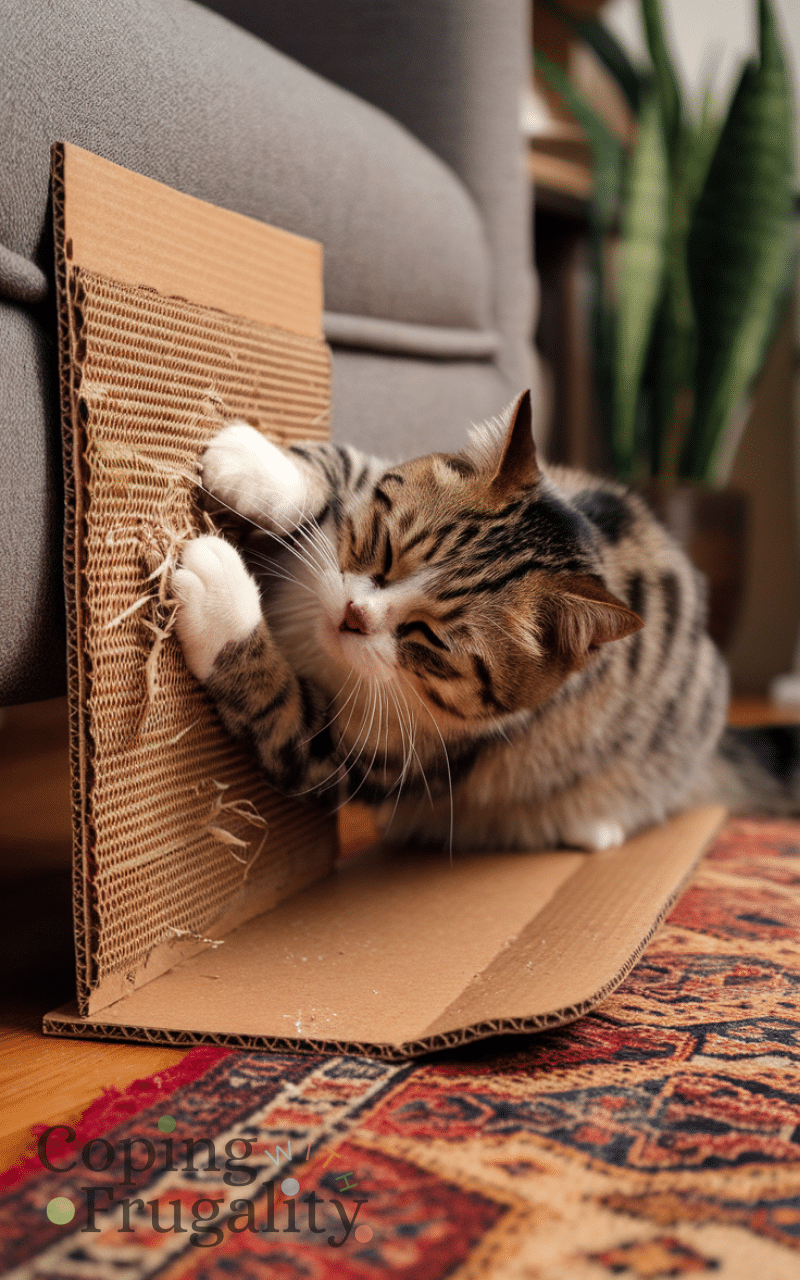
Cardboard scratch pads are one of the most affordable cat scratch solutions that protect furniture on a budget. Cats love the texture, and these pads are lightweight, replaceable, and easy to place near sofas or chairs. Many cats prefer cardboard over expensive posts because it satisfies their instinct to shred. You can lay them flat or prop them vertically depending on your cat’s preference. This simple option helps redirect scratching away from furniture while costing very little, making it perfect for cat owners looking for budget-friendly protection without sacrificing effectiveness or comfort for their pets.
I’ve found cardboard pads to be a lifesaver, especially when my cats are in a shredding mood. You can grab a decent one for around $5–$15, and sometimes even cheaper if you repurpose old boxes. A money-saving trick I swear by is keeping a small stash of packaging boxes to rotate them weekly—cats love the novelty. I highly recommend placing the pads right next to your favorite furniture; it’s almost magical how quickly they switch. One mistake I see often is putting them in obscure corners—if it’s out of sight, it’s out of mind for cats.
15. DIY Cardboard Scratch Boards
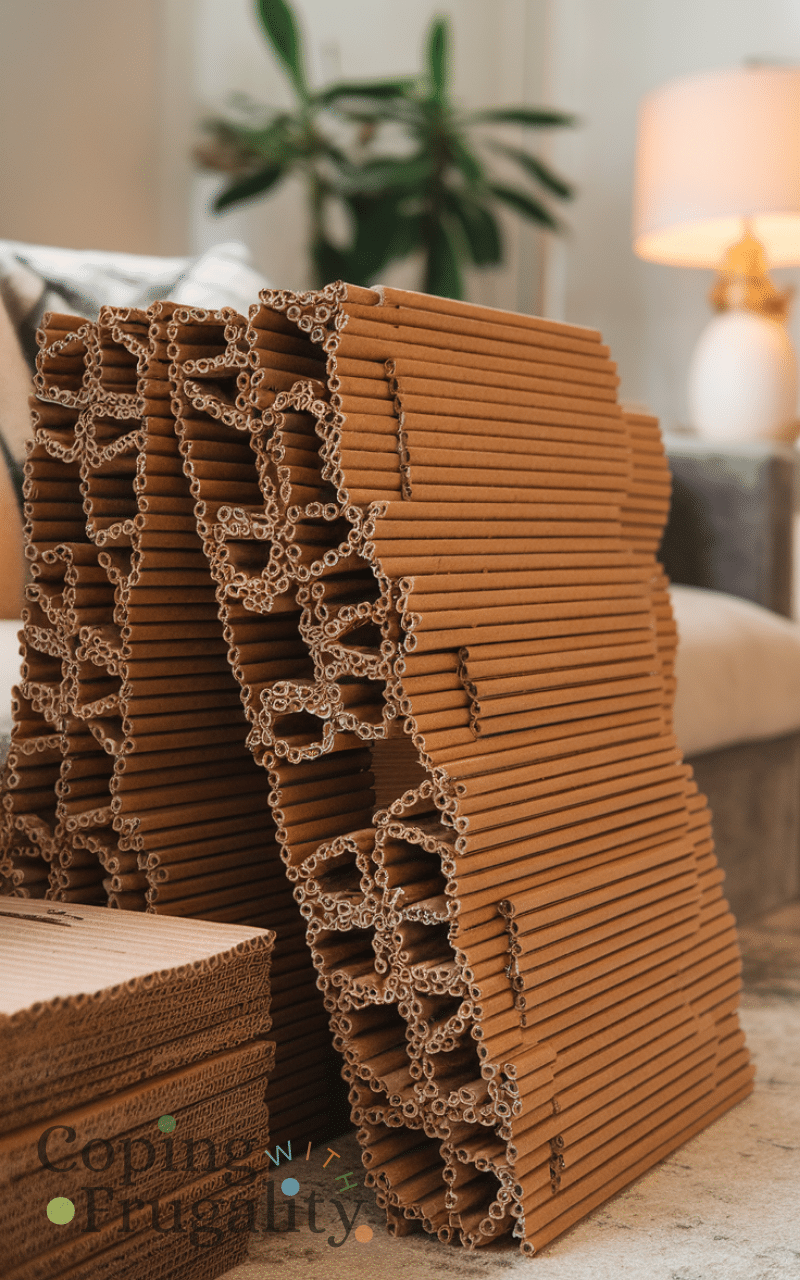
Making your own scratch boards from recycled cardboard is a smart cat scratch solution that protects furniture on a budget. By stacking and gluing cardboard strips into a tight pattern, you can create a durable scratch surface cats love. This option is nearly free and customizable in size and shape. Place it near furniture your cat usually scratches to encourage the switch. DIY scratch boards not only save money but also reduce waste, making them an eco-friendly and practical solution for protecting couches, chairs, and carpets from damage.
Making your own scratch board has become one of my favorite weekend projects. With just a few scraps of cardboard and some glue, I usually spend $0–$5, depending on what I have at home. To save even more, I carefully peel apart old boxes rather than buying new cardboard. My tip? Build them thick and sturdy; thin boards wear out fast. Many people forget to secure the edges, which makes them look sloppy and less appealing to cats—don’t skip that step.
14. Rope-Wrapped Furniture Legs
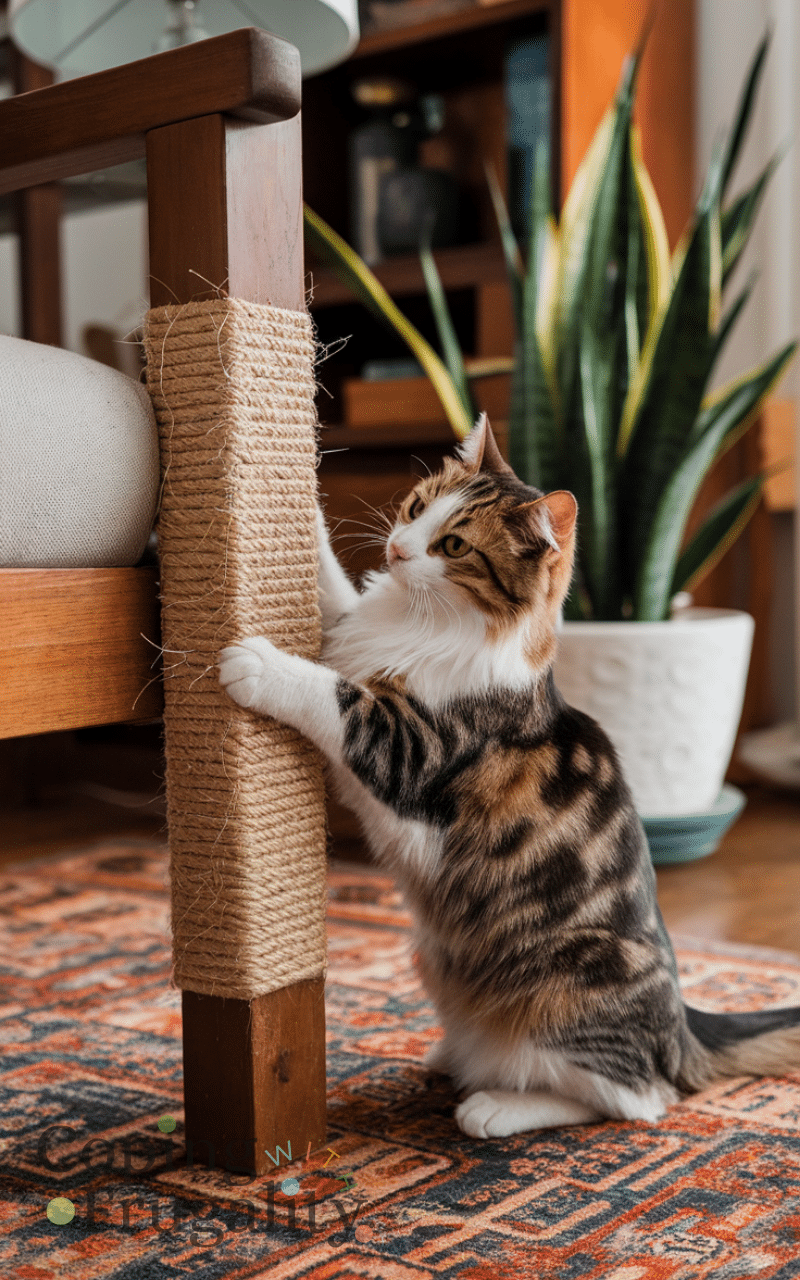
Wrapping furniture legs with sisal or jute rope is a clever cat scratch solution that protects furniture on a budget. Cats are naturally drawn to textured surfaces, and rope provides an irresistible scratching option. This method protects vulnerable furniture areas while giving your cat a designated scratching spot. It blends into home décor and costs far less than buying multiple scratch posts. Rope-wrapped legs are especially useful for tables and chairs, offering a discreet and durable solution that keeps claws busy and furniture intact.
I absolutely love wrapping table and chair legs with sisal rope—it’s so satisfying to watch my cats leave the actual furniture alone. A roll of rope costs roughly $8–$15, and a hot glue gun can be reused forever, so it’s a one-time investment. I save money by cutting the rope into smaller lengths instead of buying pre-cut pieces. I strongly recommend wrapping the legs tightly; loose rope frays quickly and becomes messy. A common misstep is using decorative rope that’s too slick—your cat won’t bother with it.
13. Sticky Furniture Protectors
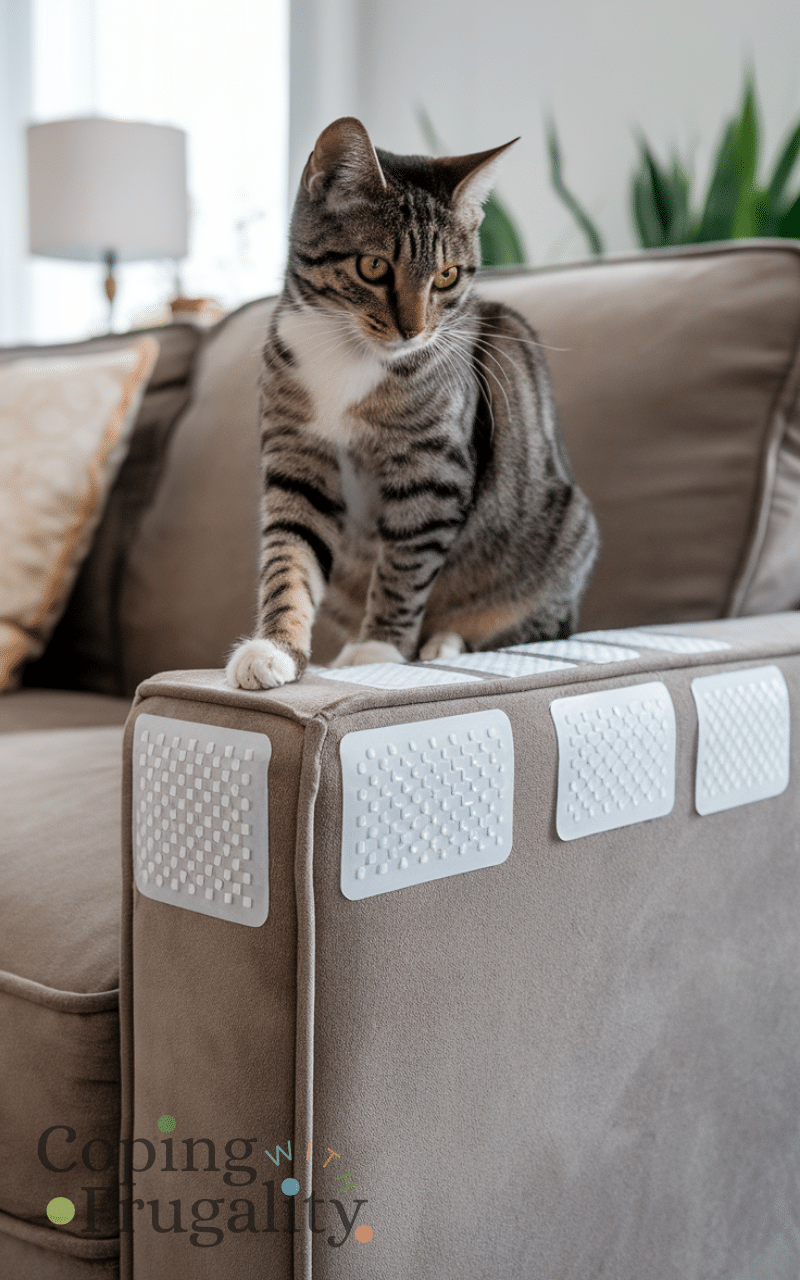
Sticky furniture protectors are effective cat scratch solutions that protect furniture on a budget by discouraging scratching behavior. Cats dislike the sticky feeling on their paws, so they quickly avoid treated areas. These transparent sheets are easy to apply and remove without damaging upholstery. They work especially well on sofa corners and armrests, which are common scratching targets. This low-cost option trains cats to scratch elsewhere while preserving the look of your furniture, making it ideal for renters and homeowners alike.
Using sticky sheets was a game-changer for me on the sofa arms. They cost about $5–$12 per set, and I always check for multi-packs online to get more for less. One money-saving tip: cut large sheets into smaller strips for multiple furniture corners. My recommendation is to keep them subtle and transparent; it’s less visually distracting. People often slap them on haphazardly, and the cat just walks around—placement is everything.
12. Double-Sided Tape
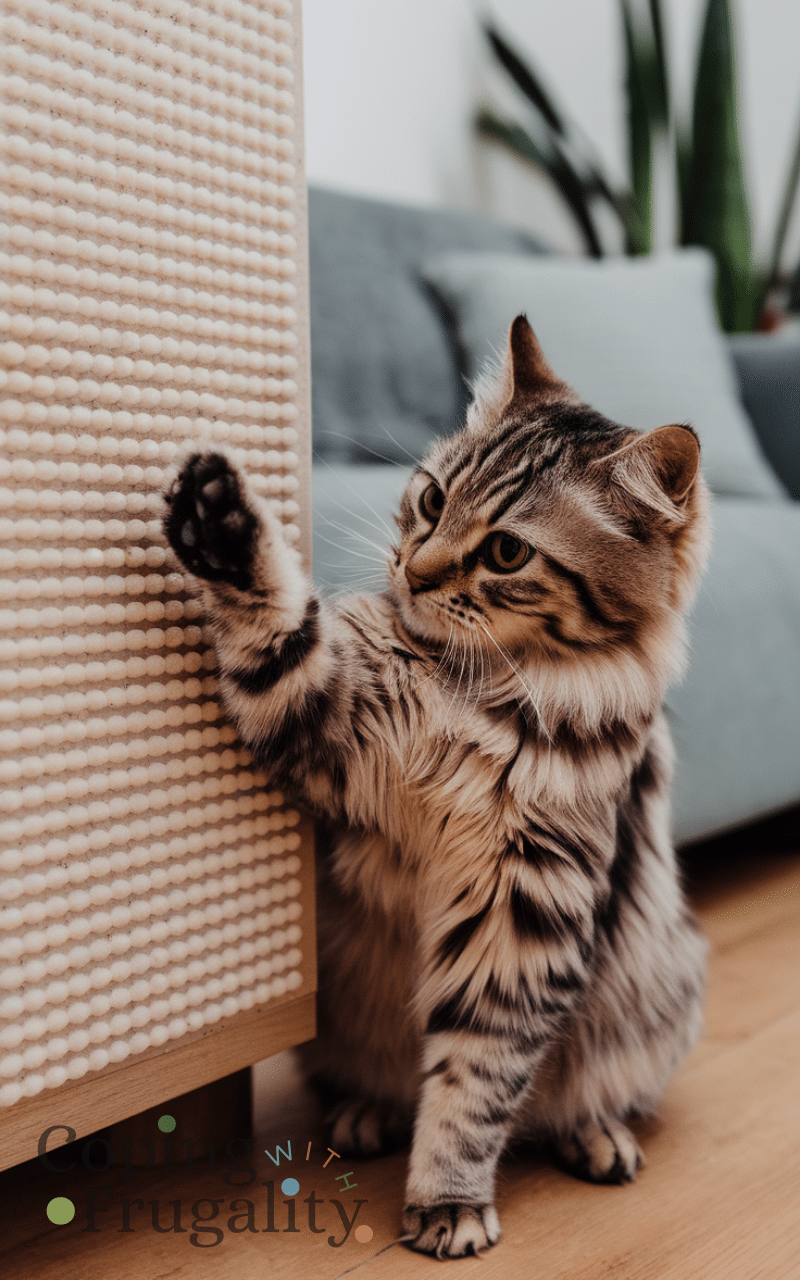
Using double-sided tape is a classic cat scratch solution that protects furniture on a budget. It creates an unpleasant texture for cats while remaining invisible to guests. Simply apply it to areas your cat frequently scratches. Over time, cats learn to avoid those surfaces and seek alternatives like scratch pads. This solution is inexpensive, easy to find, and works quickly, making it one of the simplest ways to protect furniture without investing in new cat products or making permanent changes to your home.
Double-sided tape is my low-effort hero, especially when my cat goes after table edges. You can find rolls for $3–$8, making it insanely budget-friendly. I save money by reusing small strips until the adhesive truly loses grip. I always suggest choosing a tape that’s strong enough to stick but won’t ruin your furniture finish. A mistake I made early on was using short pieces—cats simply leap over them instead of avoiding them.
11. Catnip-Sprinkled Scratchers
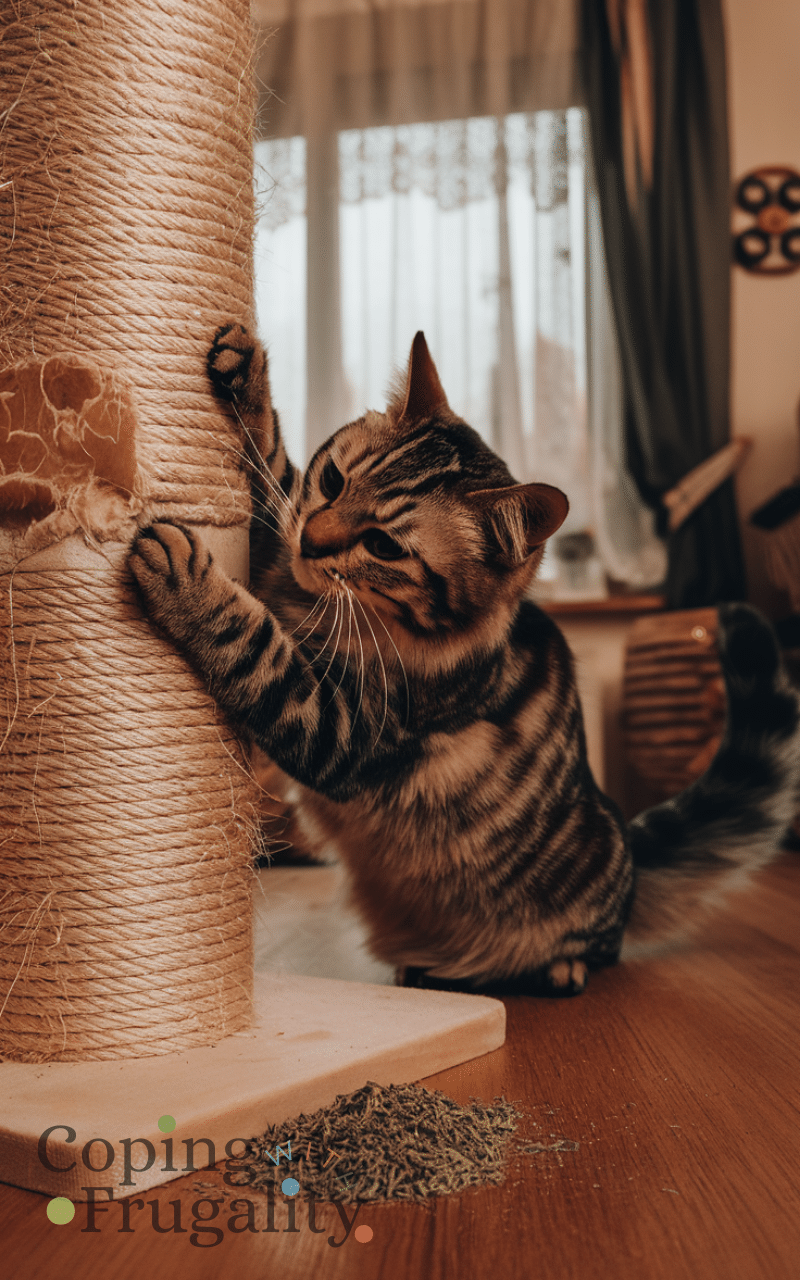
Enhancing scratchers with catnip is a smart cat scratch solution that protects furniture on a budget. Catnip attracts cats and encourages them to use appropriate scratching surfaces instead of furniture. By sprinkling catnip on existing scratch pads or posts, you make them more appealing without extra cost. This method helps redirect behavior naturally and positively. It’s an easy way to reinforce good habits while keeping your furniture safe, especially for cats that ignore scratchers at first.
Sprinkling catnip on scratchers is such an easy way to win over stubborn cats. A small container of catnip is $4–$10, and it lasts months if used sparingly. I save money by drying and storing my own catnip from purchased plants—super cheap and fun. I recommend lightly rubbing it into the fibers for longer-lasting scent. People often overdo it; too much catnip can make them hyper or ignore the scratcher altogether.
10. Vertical Scratch Boards
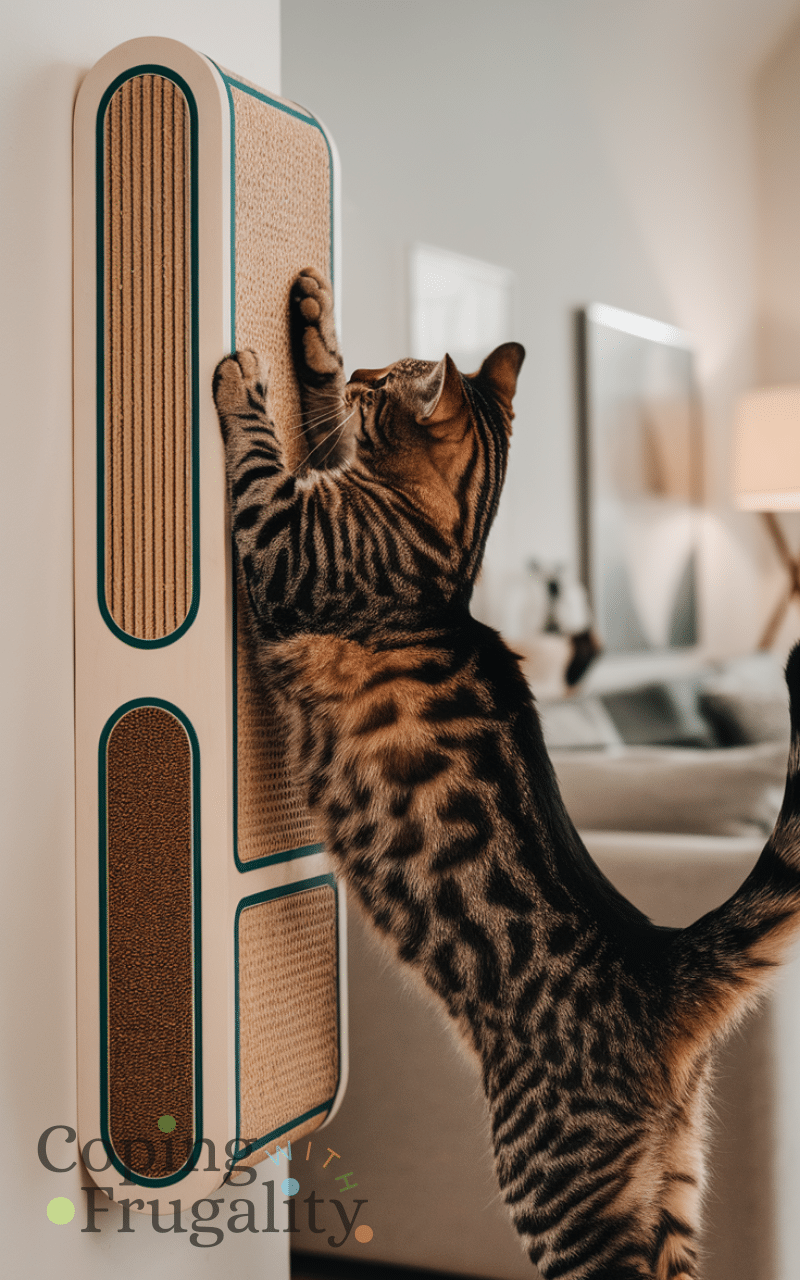
Vertical scratch boards are affordable cat scratch solutions that protect furniture on a budget and appeal to cats who prefer stretching while scratching. Mounted on walls or leaned against furniture, they provide an alternative to sofas and curtains. These boards take up little space and are often cheaper than full scratching posts. Placing them near problem areas increases success. Vertical scratch boards satisfy natural instincts and reduce damage while keeping your living space organized and stylish.
Vertical boards are perfect if your cat loves to stretch, and I personally place one near the sofa corner. These usually cost $15–$25, but DIY versions can be as low as $5. I save money by leaning old cabinet panels or flat wood boards against the wall. My top tip: angle them slightly toward the cat’s favorite scratching wall. Many people put them flat against a wall, and the cat ignores them—trust me, a slight tilt works wonders.
9. Old Carpet Scraps
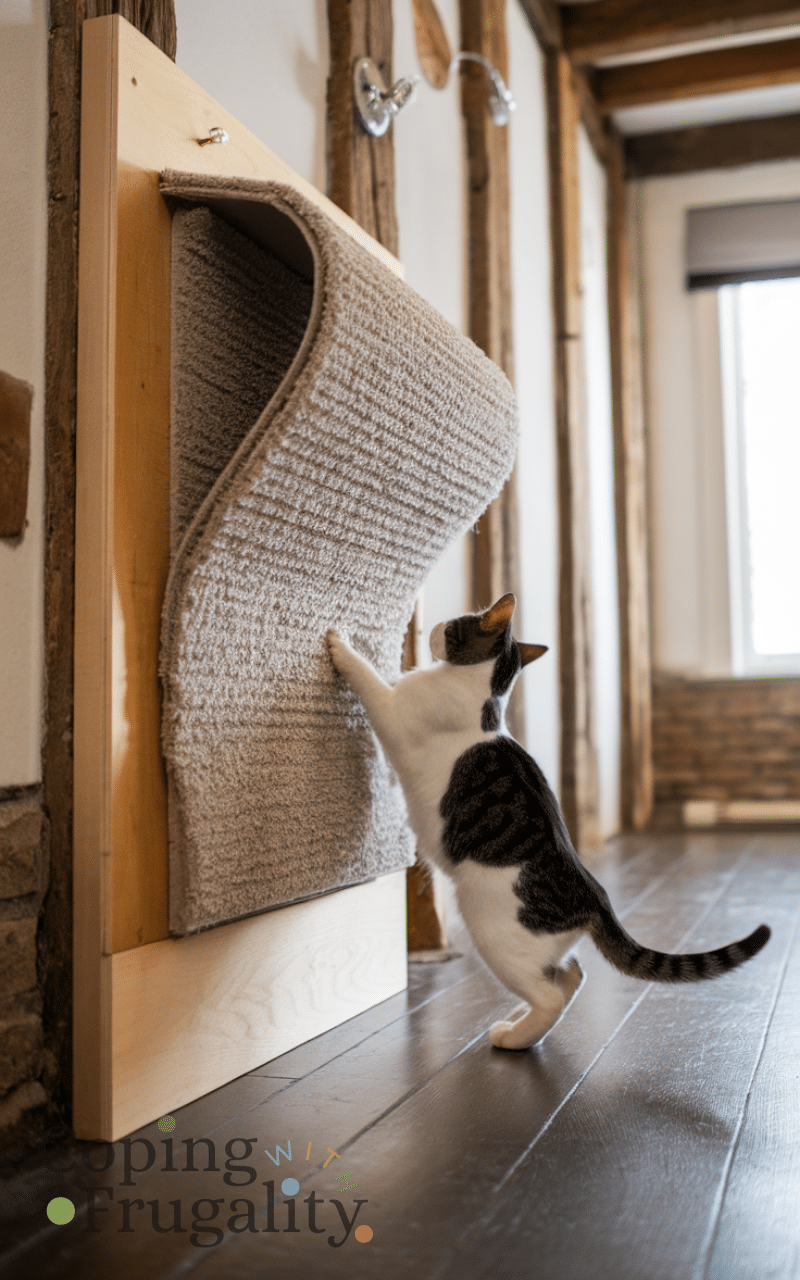
Reusing carpet scraps is an excellent cat scratch solution that protects furniture on a budget. Cats love carpet texture, and scraps can be mounted on walls or wrapped around boards. This DIY solution costs little to nothing and keeps claws away from valuable furniture. It’s especially useful if your cat prefers carpeted surfaces over cardboard or rope. Repurposing old materials makes this a practical, sustainable, and highly effective way to manage scratching behavior.
Repurposing carpet scraps has saved me a small fortune. I literally pay nothing when I cut leftover pieces from old rugs, but a small piece from a store is $2–$8. My frugal trick is to attach them to cardboard for easy placement and rotation. I strongly suggest using durable, looped carpet pieces; thin shags wear out too fast. A common error is placing them in busy walkways where cats avoid them—they need quiet, dedicated spots.
8. Couch Corner Guards
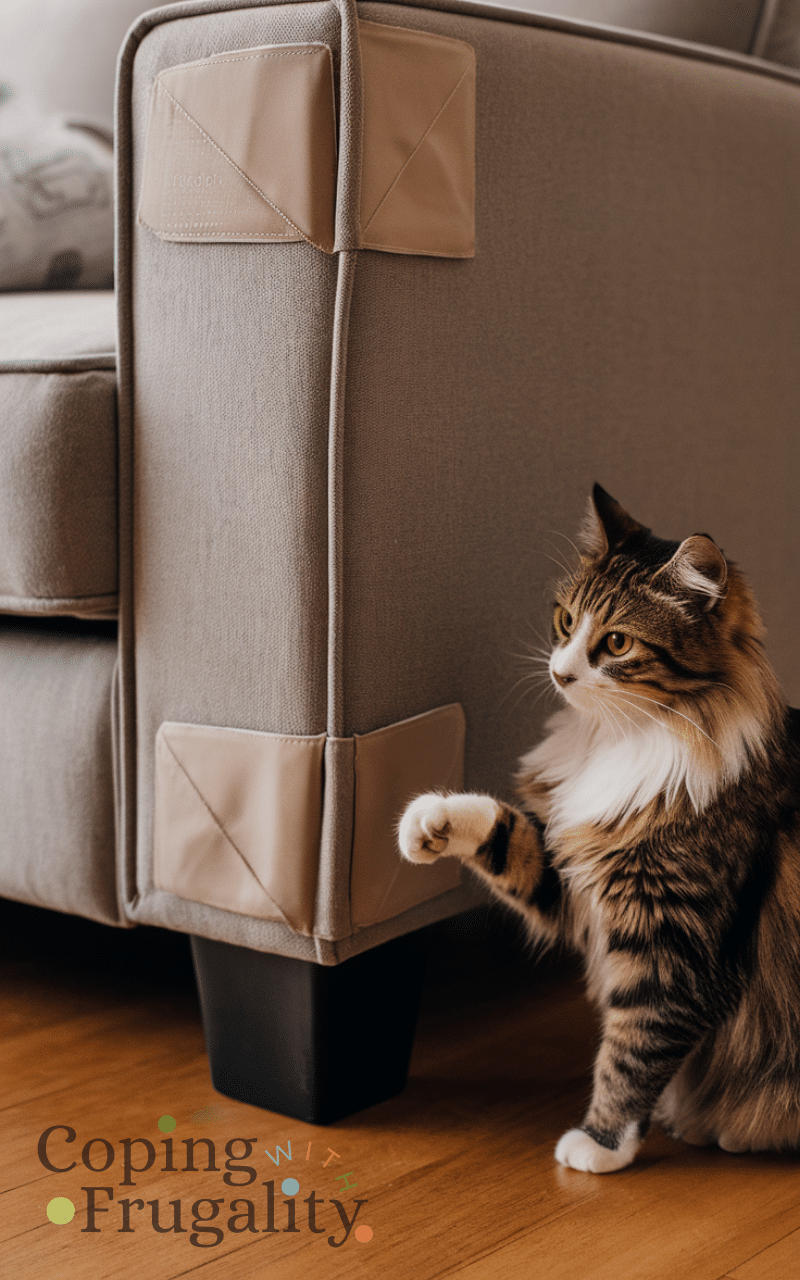
Couch corner guards are targeted cat scratch solutions that protect furniture on a budget by shielding the most damaged areas. These guards are usually affordable and blend into furniture design. They prevent claws from catching on fabric while redirecting scratching to safer alternatives. Easy to install and remove, they are ideal for households with limited space. This solution focuses on prevention while maintaining your sofa’s appearance and extending its lifespan.
Corner guards have been a lifesaver for protecting my sofa edges. They cost $5–$15 per pack, and I often buy multi-packs to cover all vulnerable areas at once. I save money by trimming them to fit corners perfectly instead of buying custom-sized ones. My recommendation is to match the color to your couch; cats won’t care, but aesthetics matter to me. People often slap them on unevenly, leaving gaps where claws sneak through.
7. DIY Scratching Posts
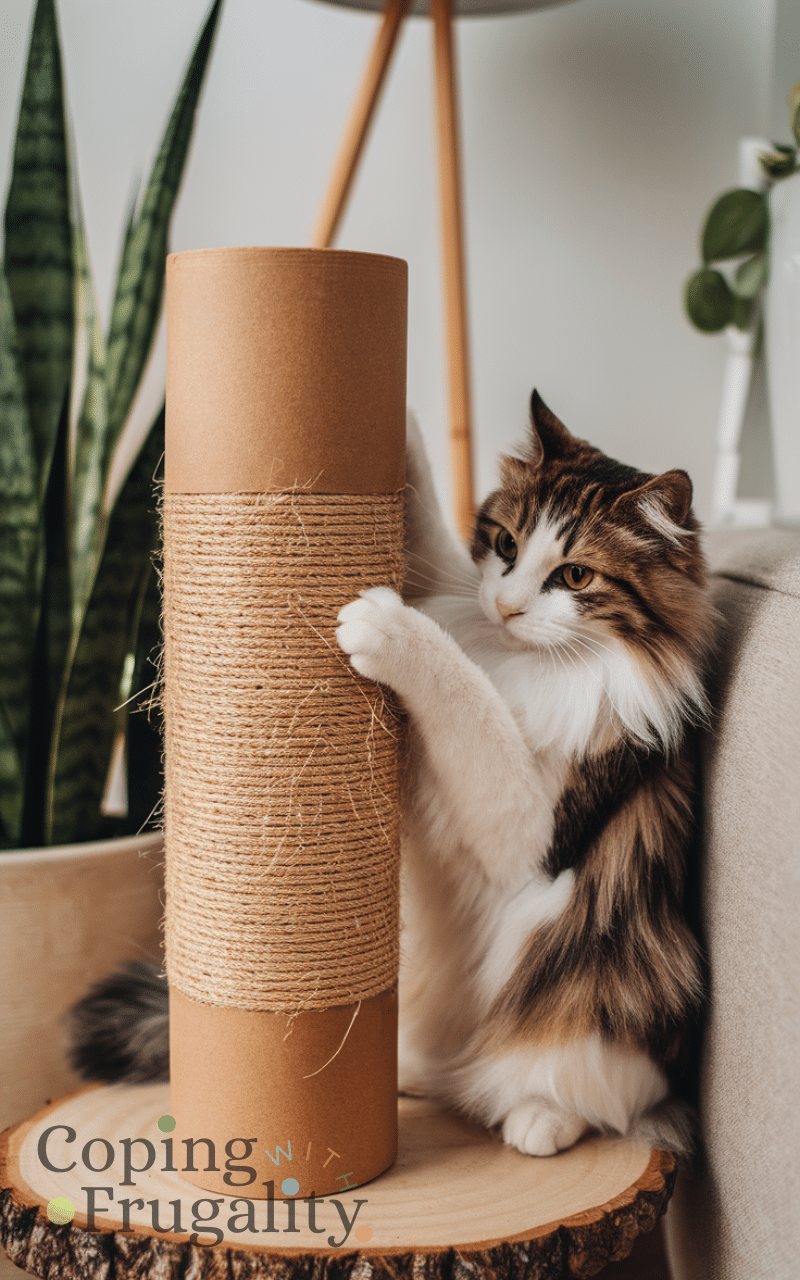
Creating a scratching post at home is a budget-friendly cat scratch solution that protects furniture on a budget. Using wood, cardboard tubes, and rope, you can build a sturdy post at a fraction of store prices. DIY posts can be customized in height and texture to suit your cat’s preference. Placing them near furniture encourages cats to scratch appropriately. This hands-on approach saves money and offers a durable, long-lasting solution for protecting your home.
I built my first DIY post for under $15 using a cardboard tube, rope, and glue. A money-saving tip: check thrift stores or recycling centers for free or cheap tubes. I recommend making the post tall enough for full stretches—cats feel more rewarded this way. One mistake I’ve seen is making them too flimsy; if it wobbles, the cat loses interest fast.
6. Furniture Covers and Throws
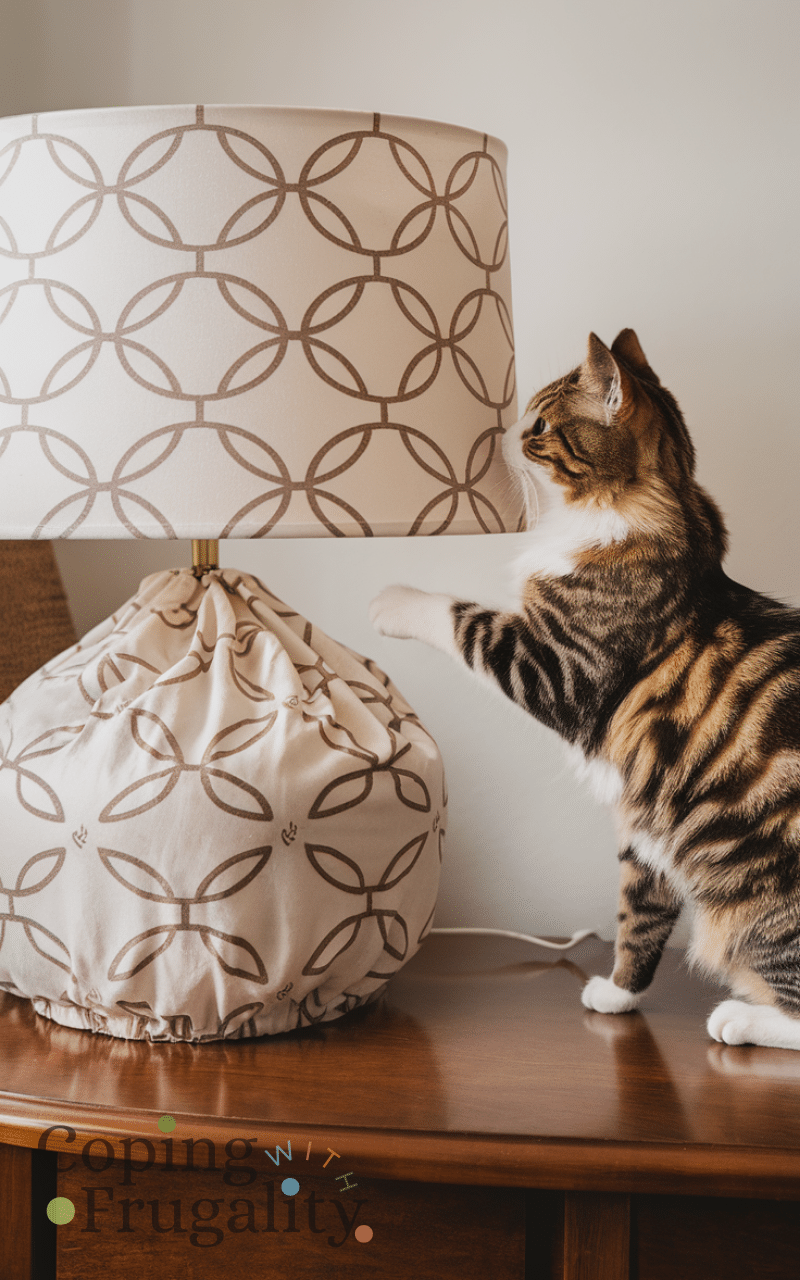
Using furniture covers or throws is a simple cat scratch solution that protects furniture on a budget. These washable layers shield upholstery from claws while adding style to your living space. Covers are especially useful during training periods when redirecting scratching behavior. They are easy to replace and cost much less than repairing furniture. This solution combines protection and practicality, making it ideal for busy households with playful cats.
Covers and throws are my lazy-day secret for protecting sofas. You can find decent ones for $10–$25, and they’re reusable and washable. To save even more, I use old bedspreads or blankets—works like a charm. I recommend snug fits so they don’t slide off during play. A common misstep is leaving loose fabric; cats love to grab it and still scratch underneath.
5. Nail Trimming Routine
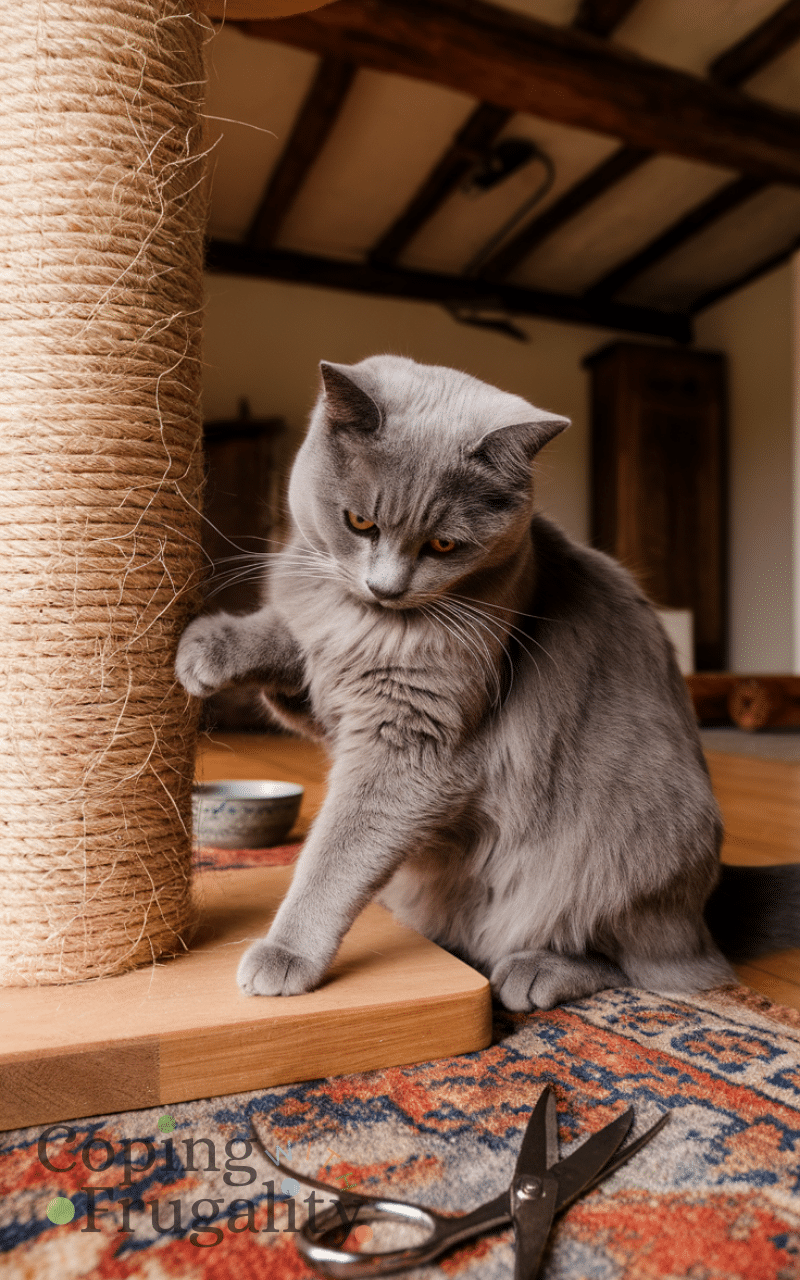
Regular nail trimming is a preventive cat scratch solution that protects furniture on a budget. Shorter claws cause less damage even if scratching occurs. Trimming doesn’t stop the behavior but reduces its impact significantly. This routine requires minimal investment and supports overall cat health. Combined with scratchers, nail trimming is an effective, low-cost strategy to keep furniture safe while respecting your cat’s natural instincts.
Trimming nails consistently has been an absolute game-changer for me. A basic nail trimmer is $5–$12, and a little treat goes a long way. I save money by trimming at home rather than paying a groomer. My advice: schedule trims weekly; small, frequent trims beat occasional long sessions. Many owners overclip or rush—never stress your cat or you’ll get scratched more than they will.
4. Strategic Scratcher Placement
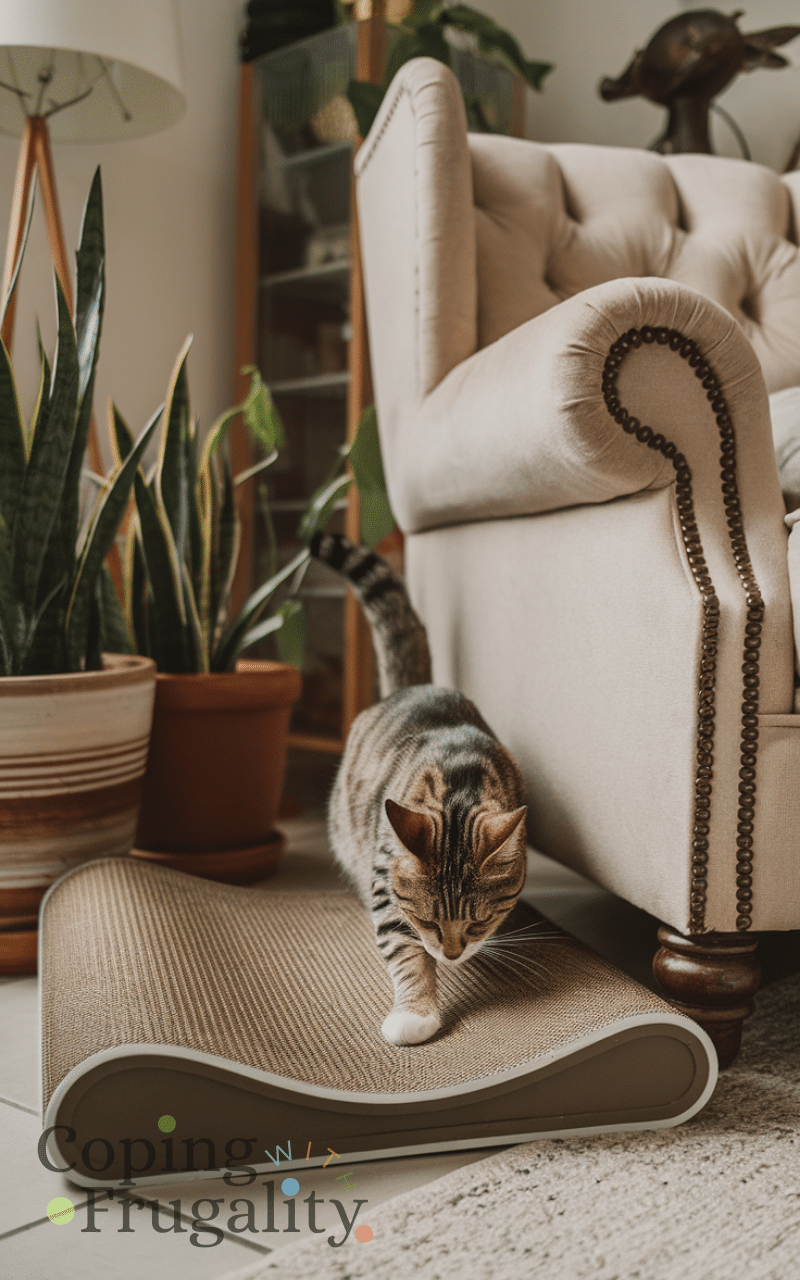
Placing scratchers near favorite furniture spots is a smart cat scratch solution that protects furniture on a budget. Cats often scratch specific locations, so offering an alternative nearby increases use. This approach costs nothing extra and improves the effectiveness of existing scratchers. By understanding your cat’s habits, you can protect furniture without buying more products. Strategic placement turns simple scratchers into powerful tools for behavior management.
Placing scratchers near furniture that gets the most abuse is my #1 habit. This costs nothing but time, and I save money by moving old scratchers rather than buying new ones. My recommendation is to observe the cat for a few days to find hotspots. A mistake I’ve made is putting them in unused corners—cats are lazy about walking far.
3. Aluminum Foil Deterrent
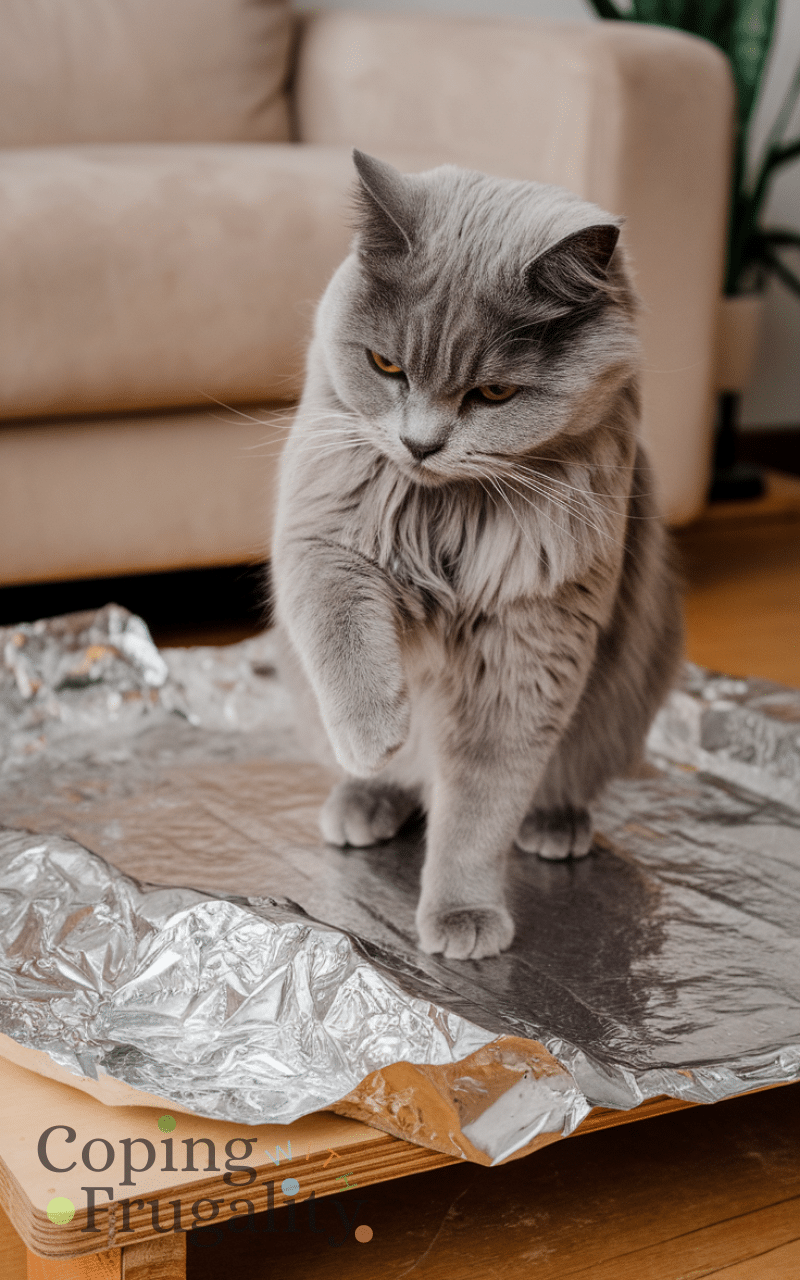
Aluminum foil is a temporary cat scratch solution that protects furniture on a budget. Cats dislike its sound and texture, making it an effective deterrent. Placing foil on scratched areas discourages repeat behavior until new habits form. This low-cost option works well during training and can be removed once the cat adjusts. It’s a practical short-term solution that helps protect furniture while introducing better scratching alternatives.
Foil has saved me from countless shredded sofas. A roll costs about $3–$7, and I often reuse small sheets multiple times. I recommend only covering problem areas temporarily; leave foil on for a few days while reinforcing good scratch habits. One common mistake is leaving foil on too long; cats may adapt or get stressed.
2. Affordable Cat Trees
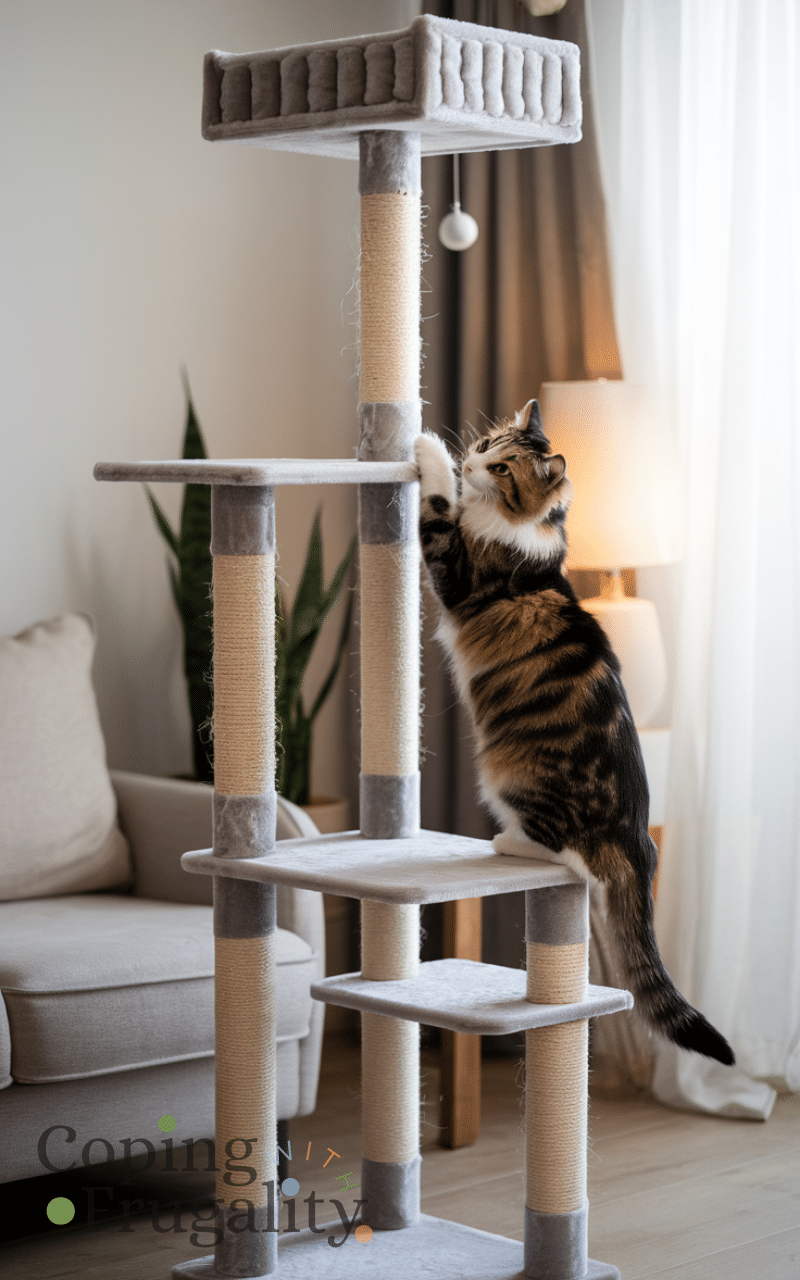
Budget-friendly cat trees are excellent cat scratch solutions that protect furniture on a budget by combining scratching, climbing, and lounging. Even simple models provide multiple scratch surfaces and reduce boredom. When cats have dedicated spaces, they are less likely to damage furniture. Affordable cat trees offer long-term value and enrichment while protecting sofas and chairs from daily wear.
Budget cat trees have been worth every penny for me, usually $50–$100 for decent models. I save by hunting clearance deals or secondhand units. My tip: even simple models keep cats off sofas if placed strategically. A frequent error is choosing tall, flimsy designs—cats need stability, or they won’t use them.
1. Consistent Positive Reinforcement
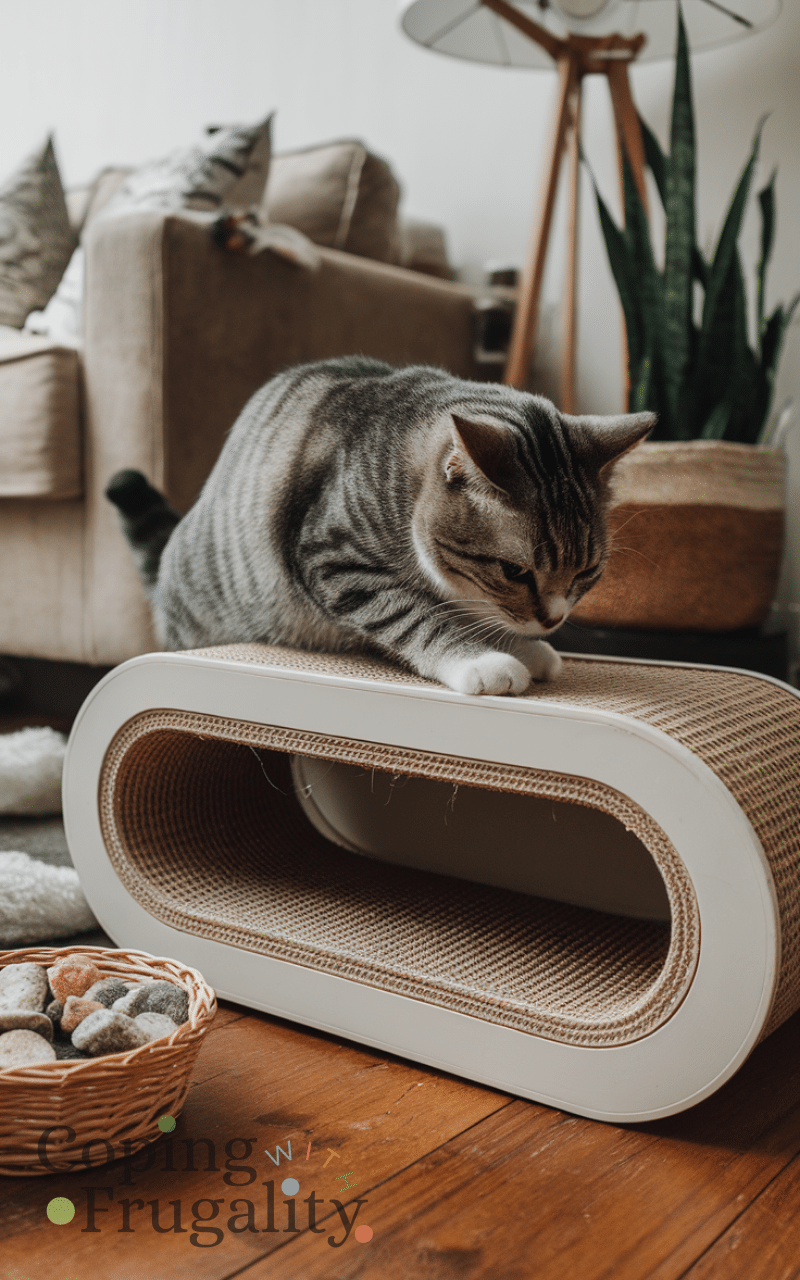
Positive reinforcement is the most effective cat scratch solution that protects furniture on a budget. Rewarding cats for using scratchers with treats or praise reinforces good behavior naturally. This approach costs little and strengthens the bond between you and your pet. Over time, cats learn preferred scratching spots and ignore furniture. Consistency and patience make this solution powerful, humane, and sustainable for long-term furniture protection.
Using treats and praise is my personal favorite, and it costs barely $5 a month. I save money by keeping a tiny jar of special treats specifically for training. I recommend patience and consistency—it works better than any fancy contraption. Many owners give up too quickly when cats test boundaries, but sticking with it makes the behavior stick long-term.
Conclusion
Finding Cat Scratch Solutions That Protect Furniture on a Budget doesn’t require expensive products or drastic changes. With simple materials, smart placement, and consistent training, you can protect your furniture while keeping your cat happy. These affordable solutions respect natural instincts and offer practical results for any home. If you enjoyed this guide, subscribe to my blog for more budget-friendly pet tips, home solutions, and expert advice to make everyday living easier and more enjoyable.